

The Blunder Years
How I Fell Into Photography (And Somehow Never Climbed Back Out)
It started in 2009 — back when I thought a camera was basically magic and all those buttons existed just to scare normal people away. Sony had just bought Minolta, and my mom, who still had her old Minolta film lenses tucked away like relics from a previous creative life, bought one of those early Sony DSLR bodies so she could use them again.
And suddenly… there it was.
A real camera in the house.
Not a point-and-shoot. Not a disposable Kodak. Something with weight. Something with responsibility.
I was old enough to use it (theoretically without dropping it), and because a camera getting dinged was less worry than film getting wasted, lucky me. Digital meant freedom. Digital meant mess up all you want, kid.
And mess up I did.
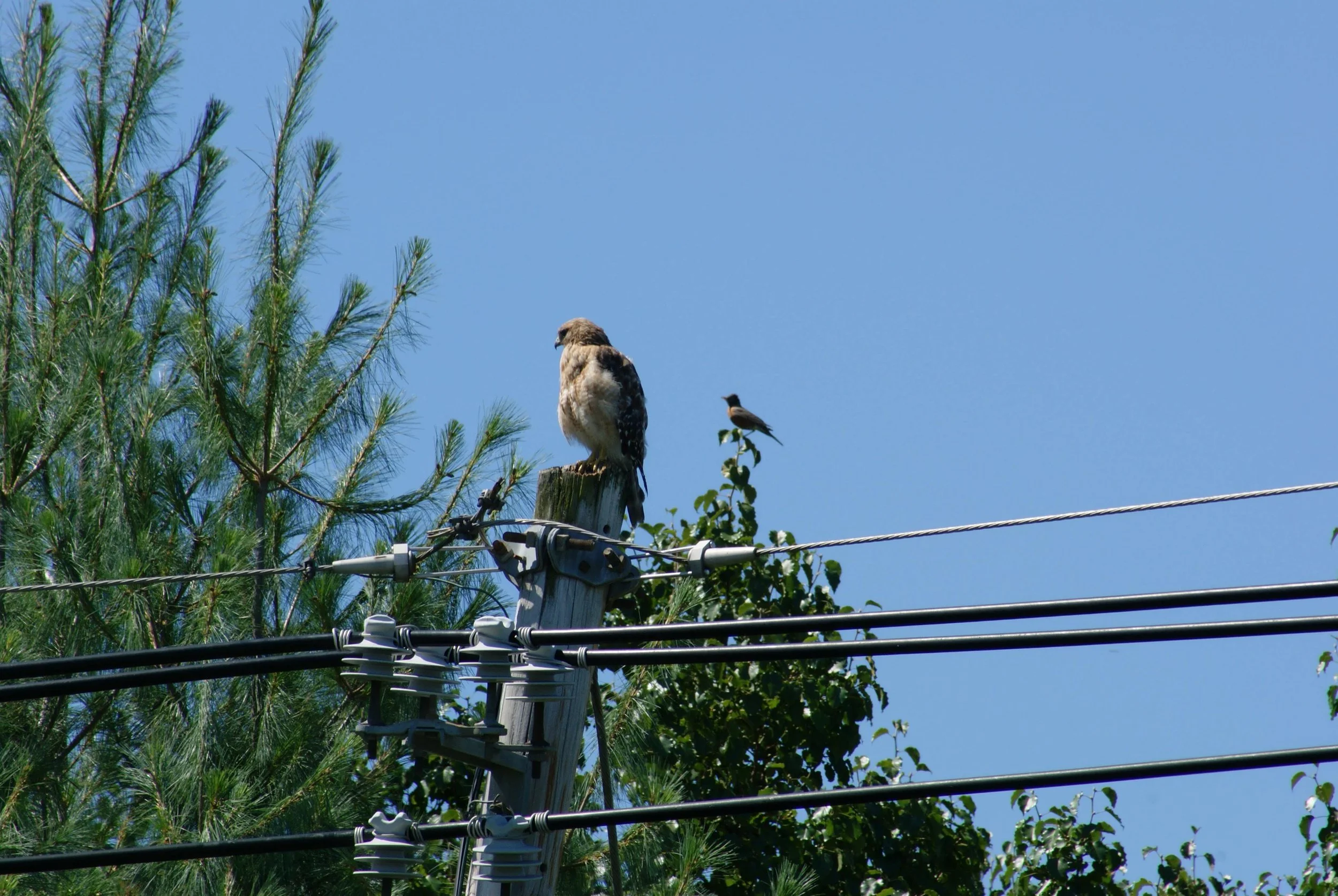
I didn’t understand anything yet. There were no YouTubers soothingly explaining aperture. No “10 settings you MUST know” thumbnails. Learning photography meant stepping into the backyard, pointing the camera at whatever sat still long enough, and turning dials like I was trying to crack a safe by accident.
Here’s what teenage-me pieced together — in the most chaotic, naïve way possible:
The “A” setting made backgrounds go blurry, and blurry looked fancy.
The “M” setting meant I had to understand numbers, which was cruel.
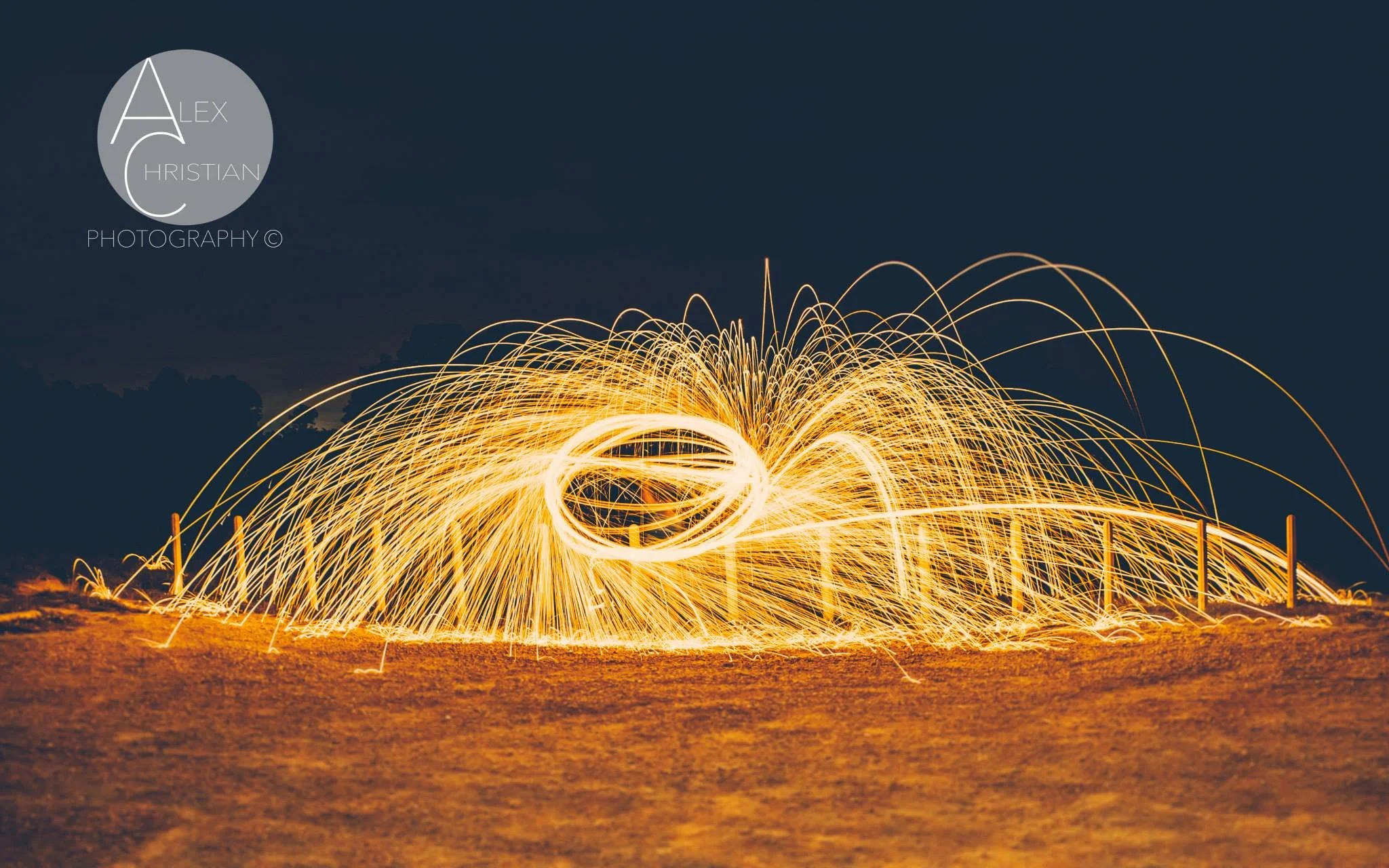
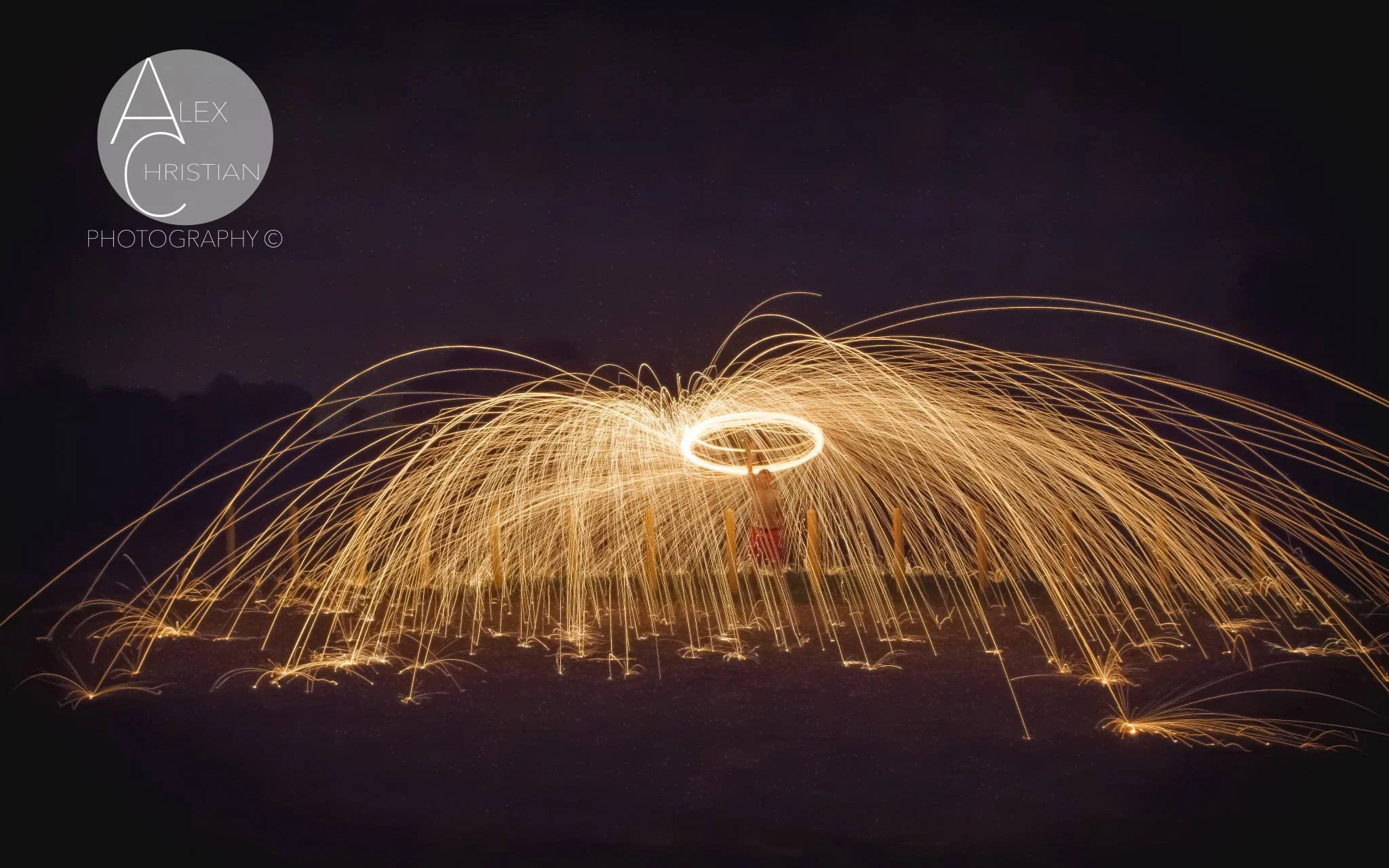
The fraction (shutter?) either froze a moment or smeared it into a light painting.
Another dial made things brighter, but also noisy and crunchy.
A different ring made things sharp… theoretically. Never quite nailed that part.
It was trial and error. Mostly error. But my error. And that made it magic.
I remember getting irrationally mad at zoom lenses. Every time I zoomed, the image got darker. Why? Witchcraft. Why couldn’t I freeze action and have enough light? Why were all the good pictures slightly out of focus? Why did every “perfect shot” have someone blinking?
At some point (likely while attempting to “clean” the camera like a confident idiot), I scratched the sensor. A faint hairline — only visible in bright light — slicing through the sky in so many old photos. I hated it then. I kind of love it now. It’s the fingerprint of that era. The proof of youth.
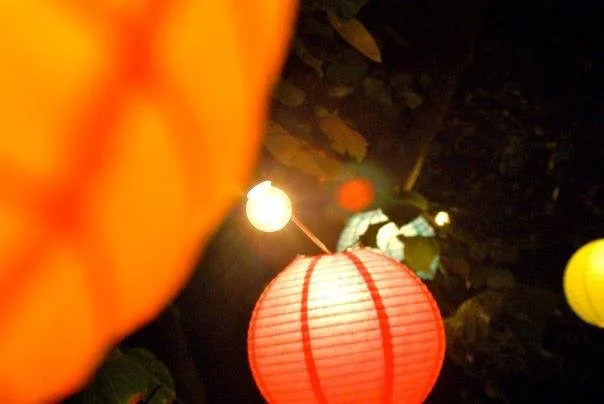
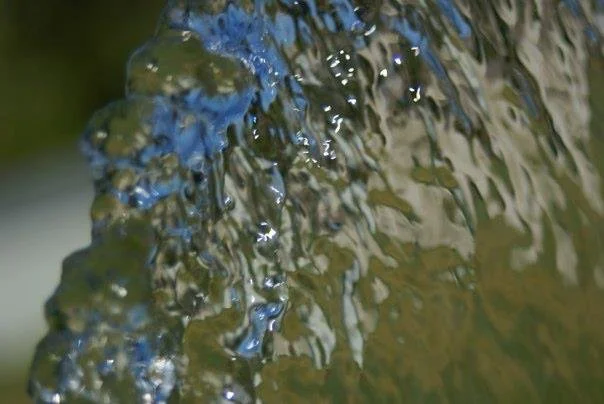
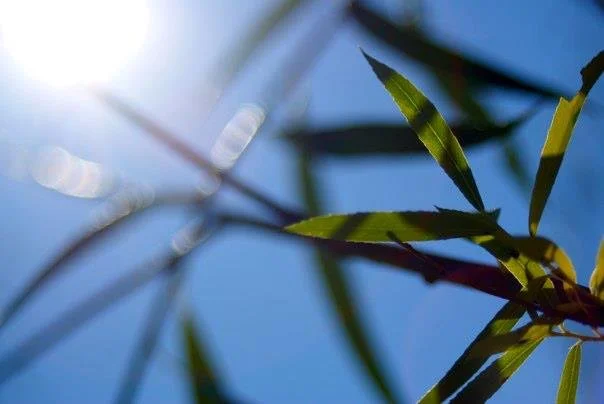
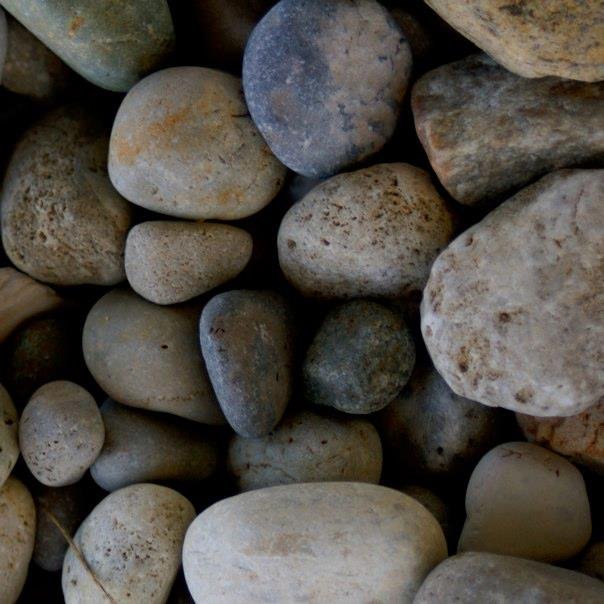
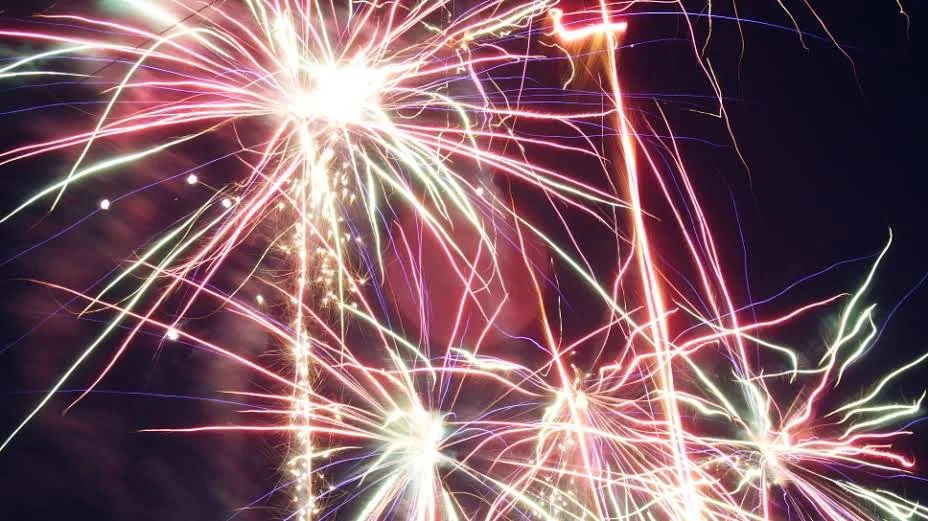
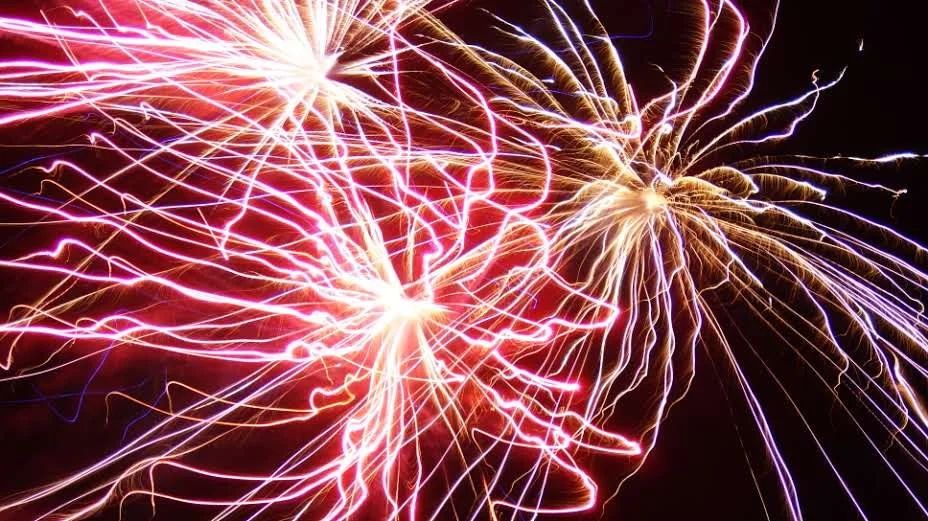
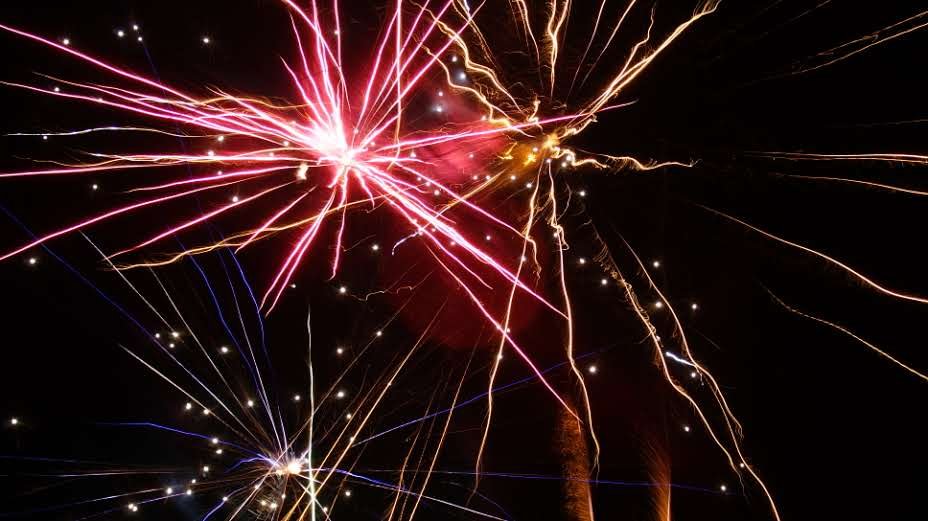
One Fourth of July, it finally clicked. I slowed the shutter way down and the fireworks stretched into long strings of color like neon spaghetti. No silhouettes, no composition, nothing in the frame to tell you what was happening—just frantic streaks on black. But when I saw it on the tiny LCD screen, my heart kicked. I had bent time. I made something.
By then I was unstoppable. I just photographed everything. If it moved, if it didn’t move, if it reflected light even a little—click.
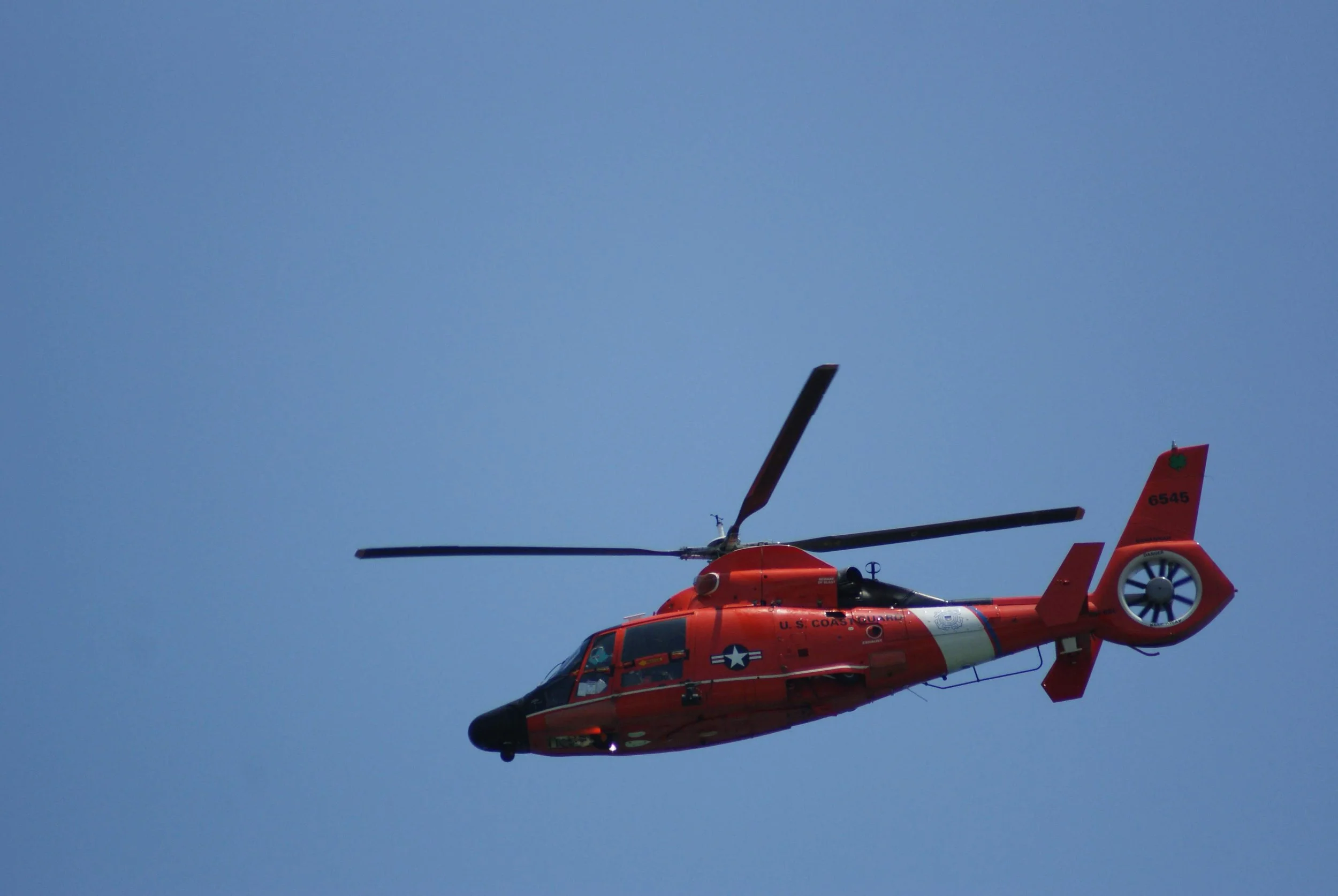
On vacation at Myrtle Beach, I managed to freeze a Coast Guard helicopter mid-flight. Later that summer, at a new school, I photographed friends jumping off cliffs into lake water, suspended in the air like heroes. I chased every moment that felt larger than life—because I finally knew I could trap it forever.
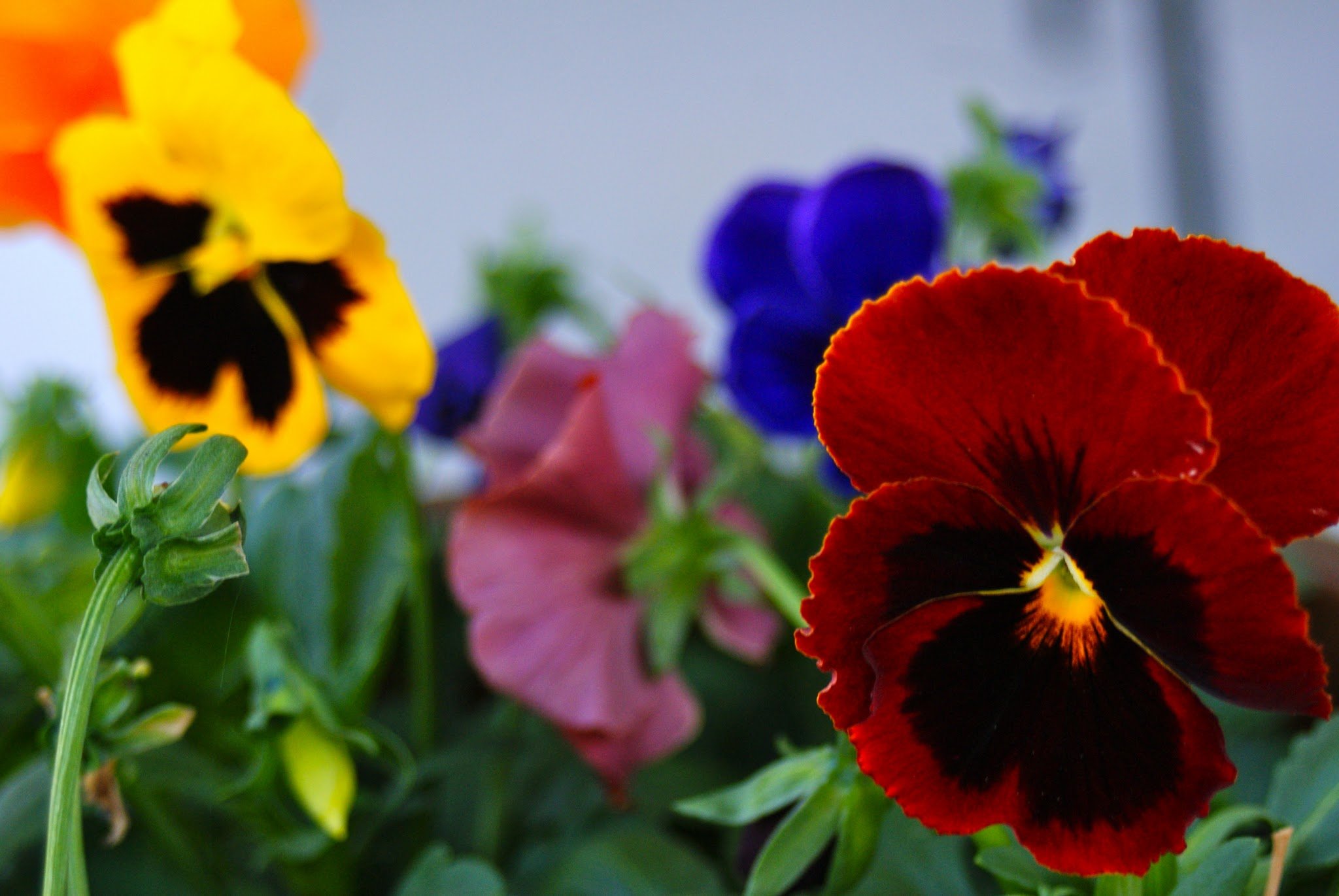
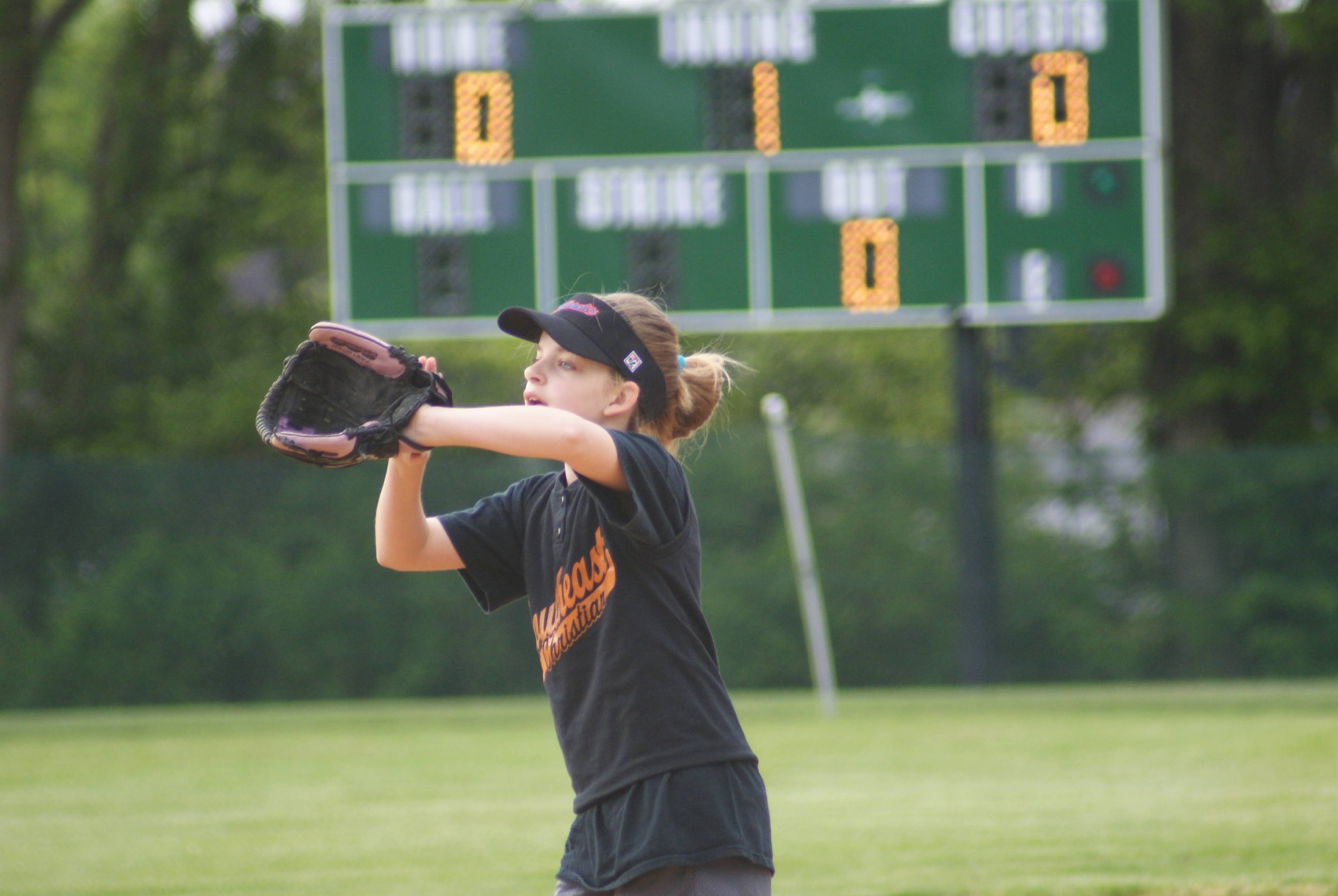
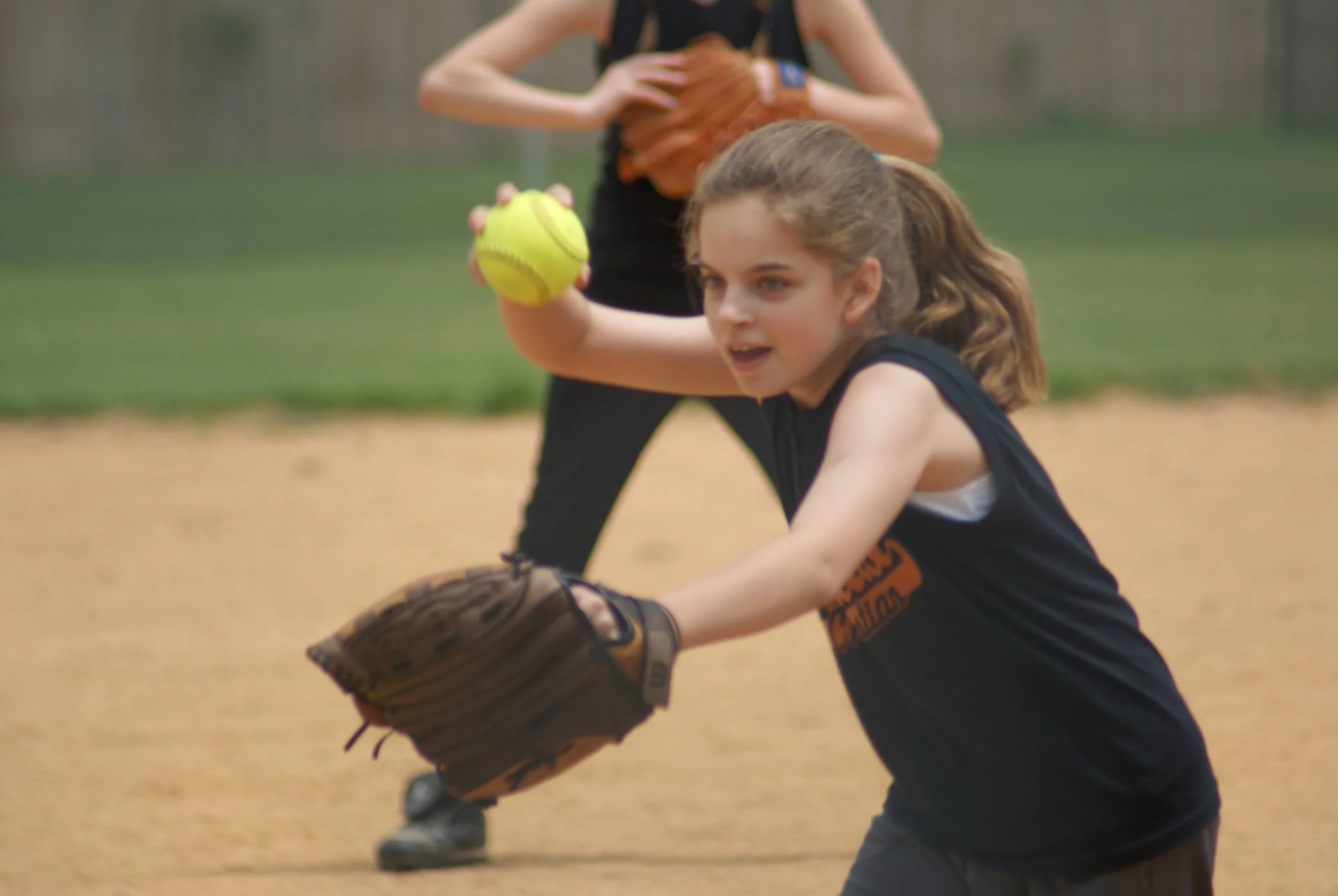
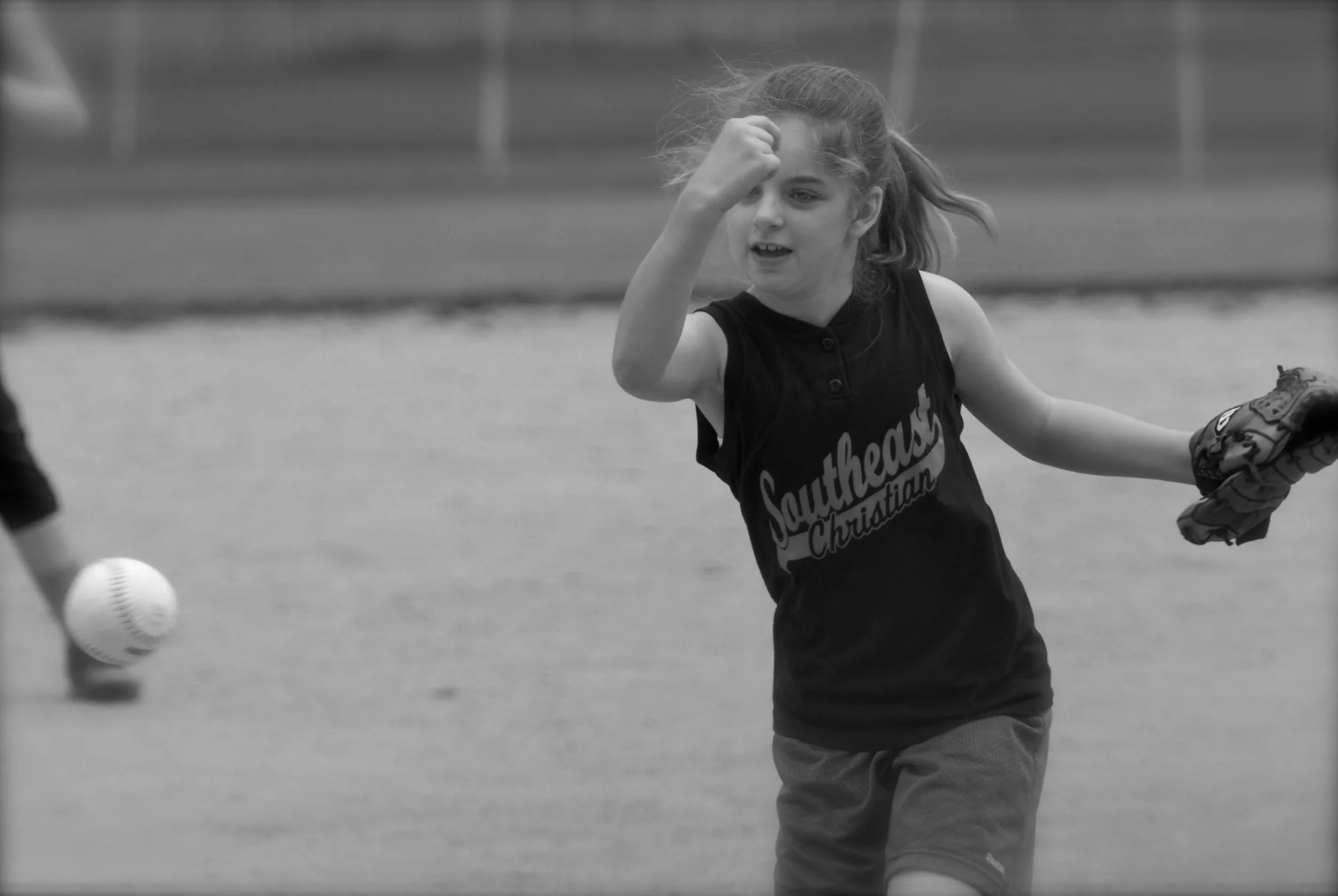
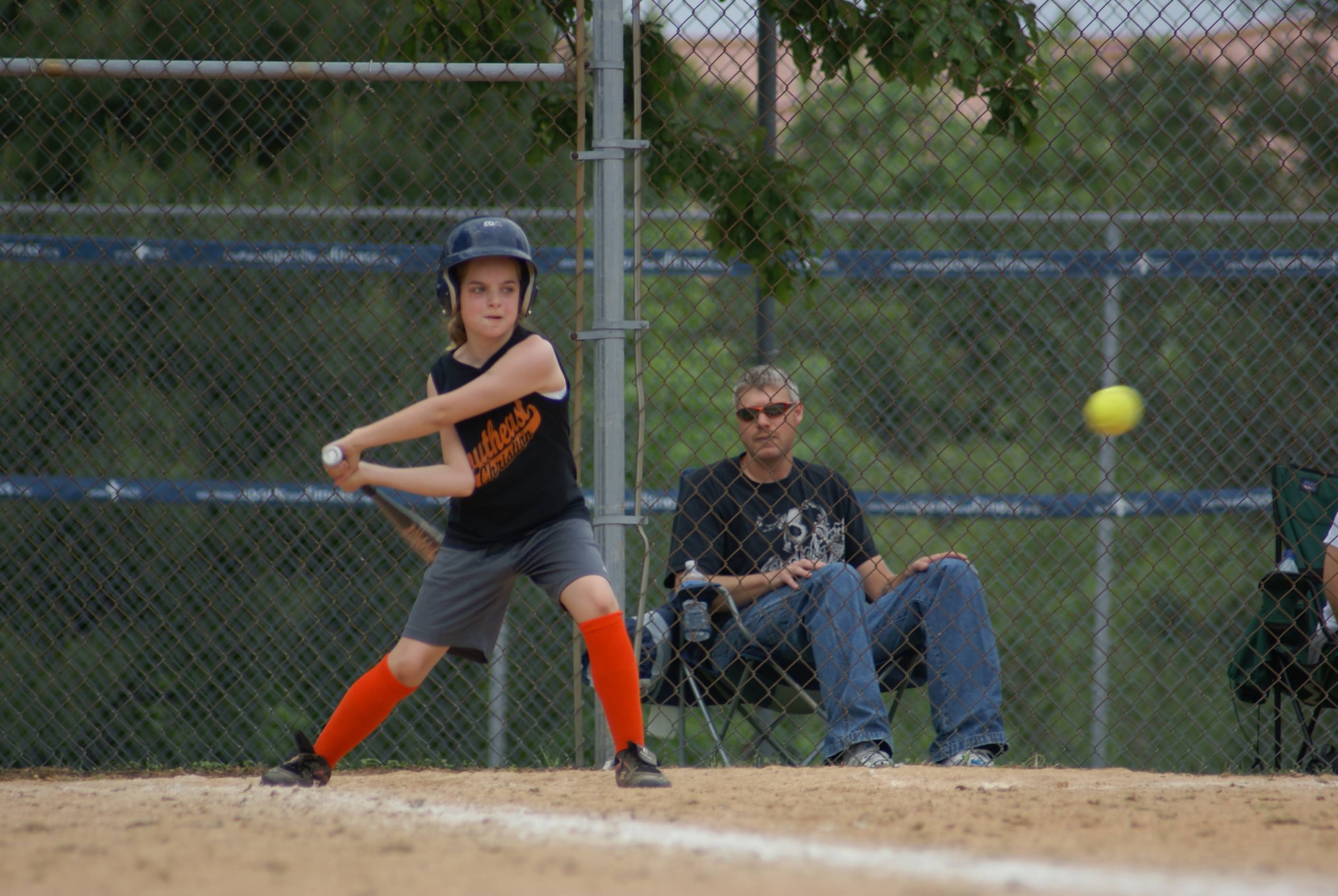
I shot my sister’s sporting events. School games. The pansies in our yard when nothing else moved. I photographed sticks (why? no idea). Droplets from the garden hose that backlit into little diamonds. Leaves glowing under evening sun. Anything. Everything.
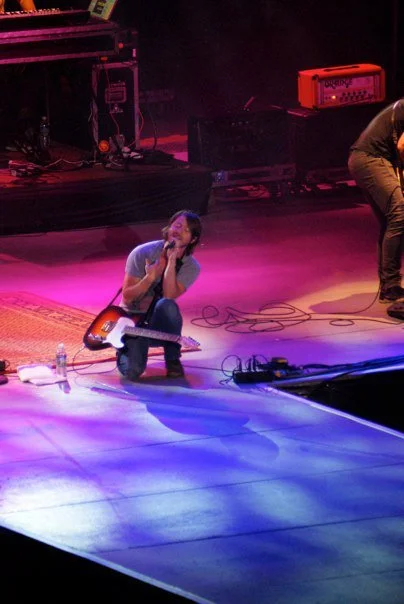
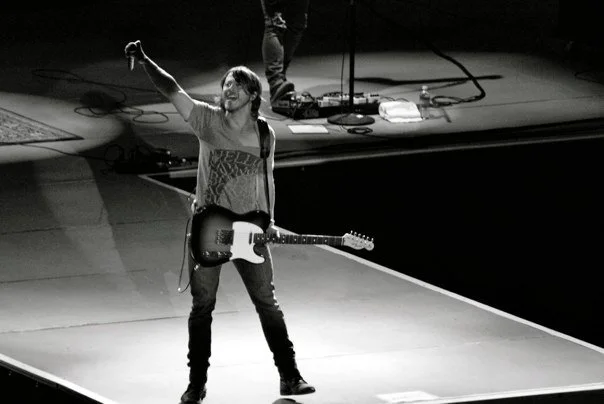
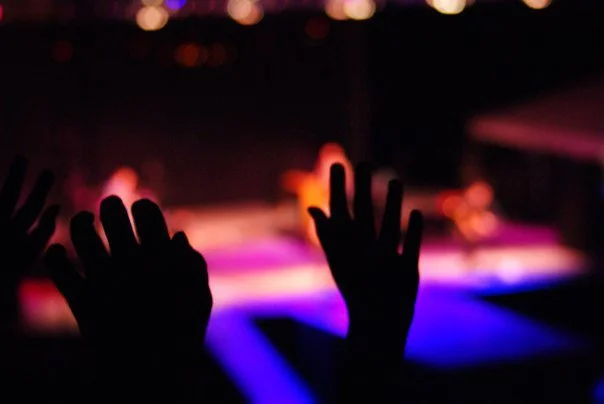
I discovered concerts. Free ones, mostly—small city stages with blinking lights and people swaying like the whole world was contained within those few songs. At church I’d studied the way video crews framed hands lifted in worship: silhouettes against warm stage lights. It looked holy. Cinematic. So I tried to recreate it, probably overexposed half the time, but I was confident. Concerts where no one was paying me but I pretended I was working for Rolling Stone.
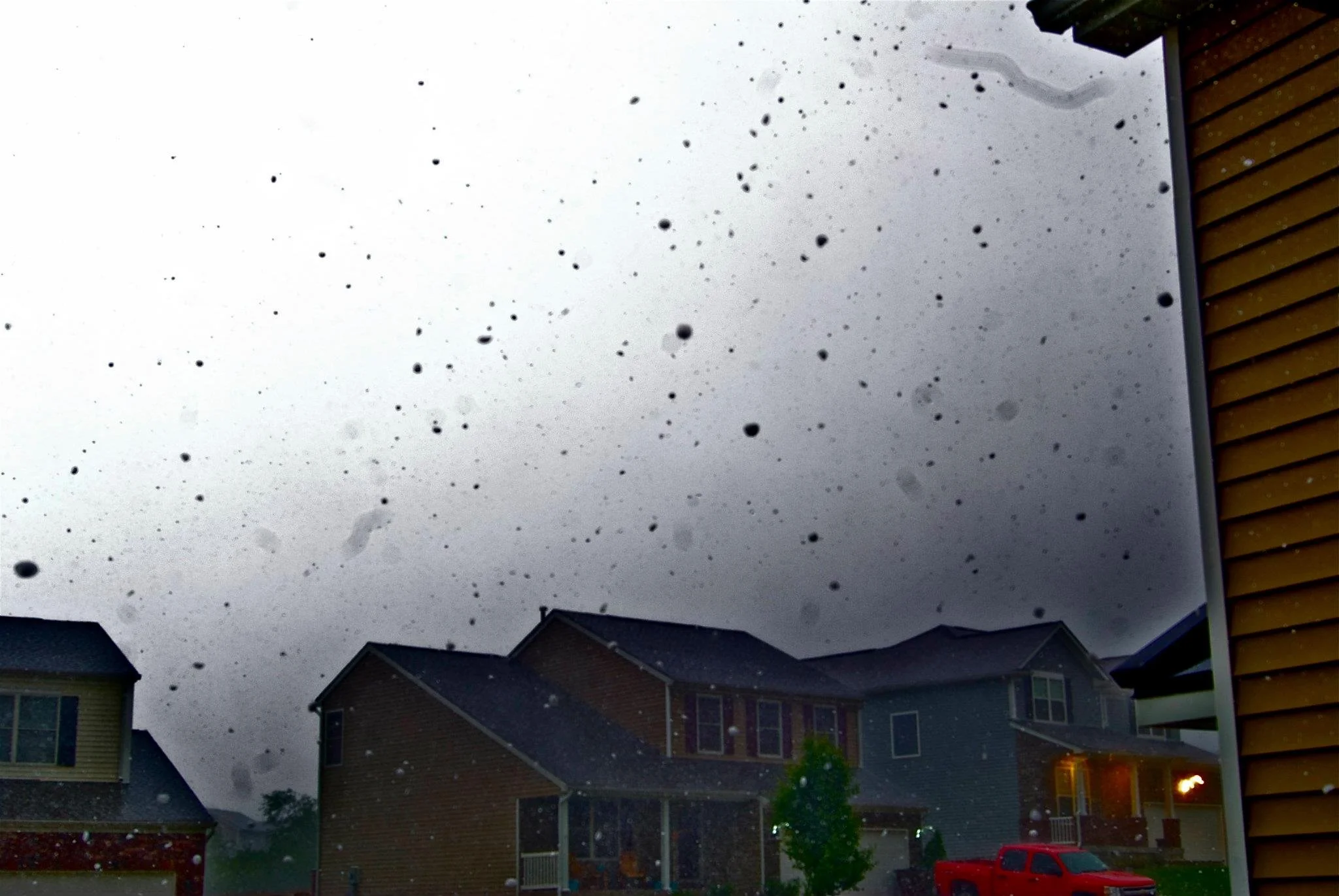
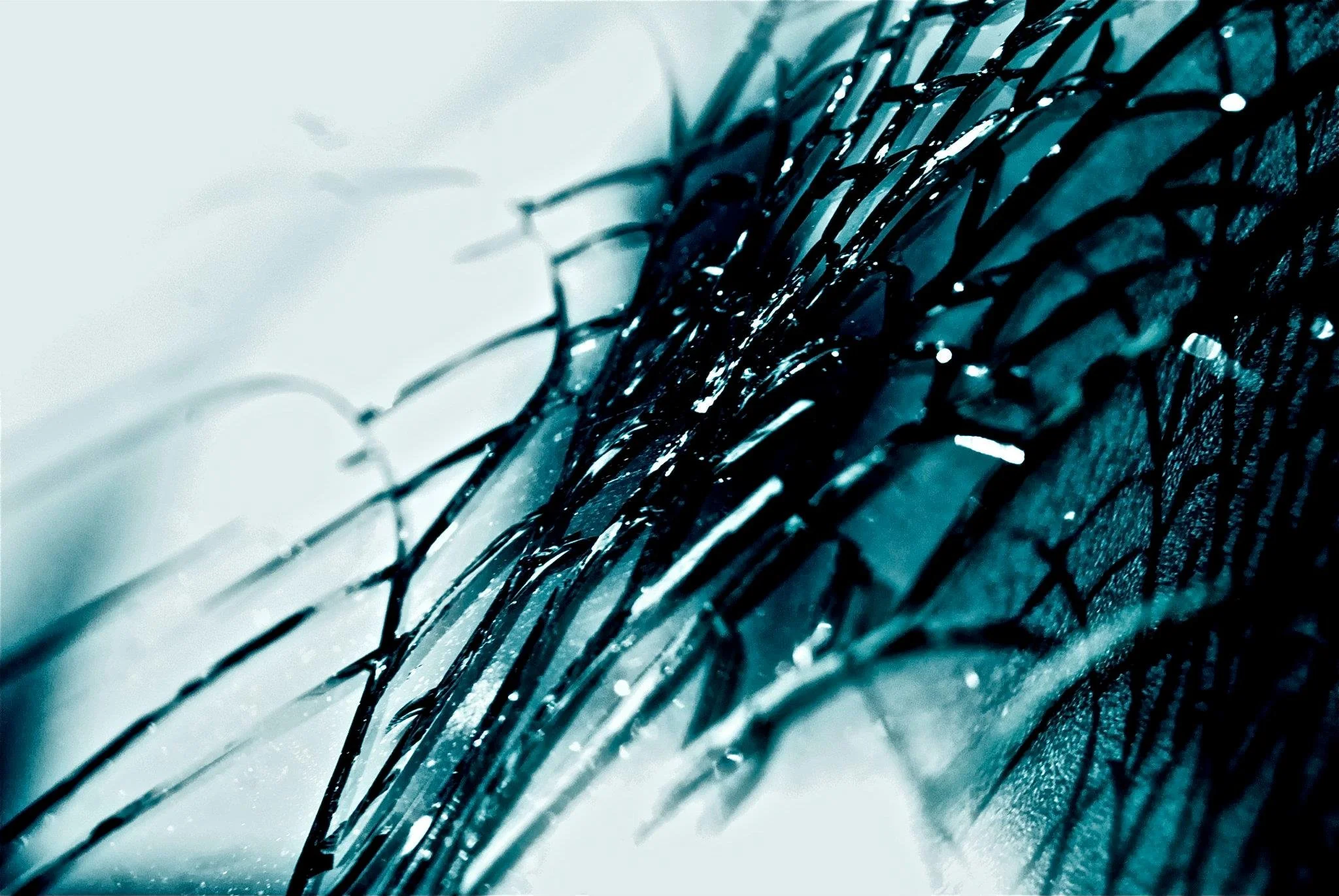
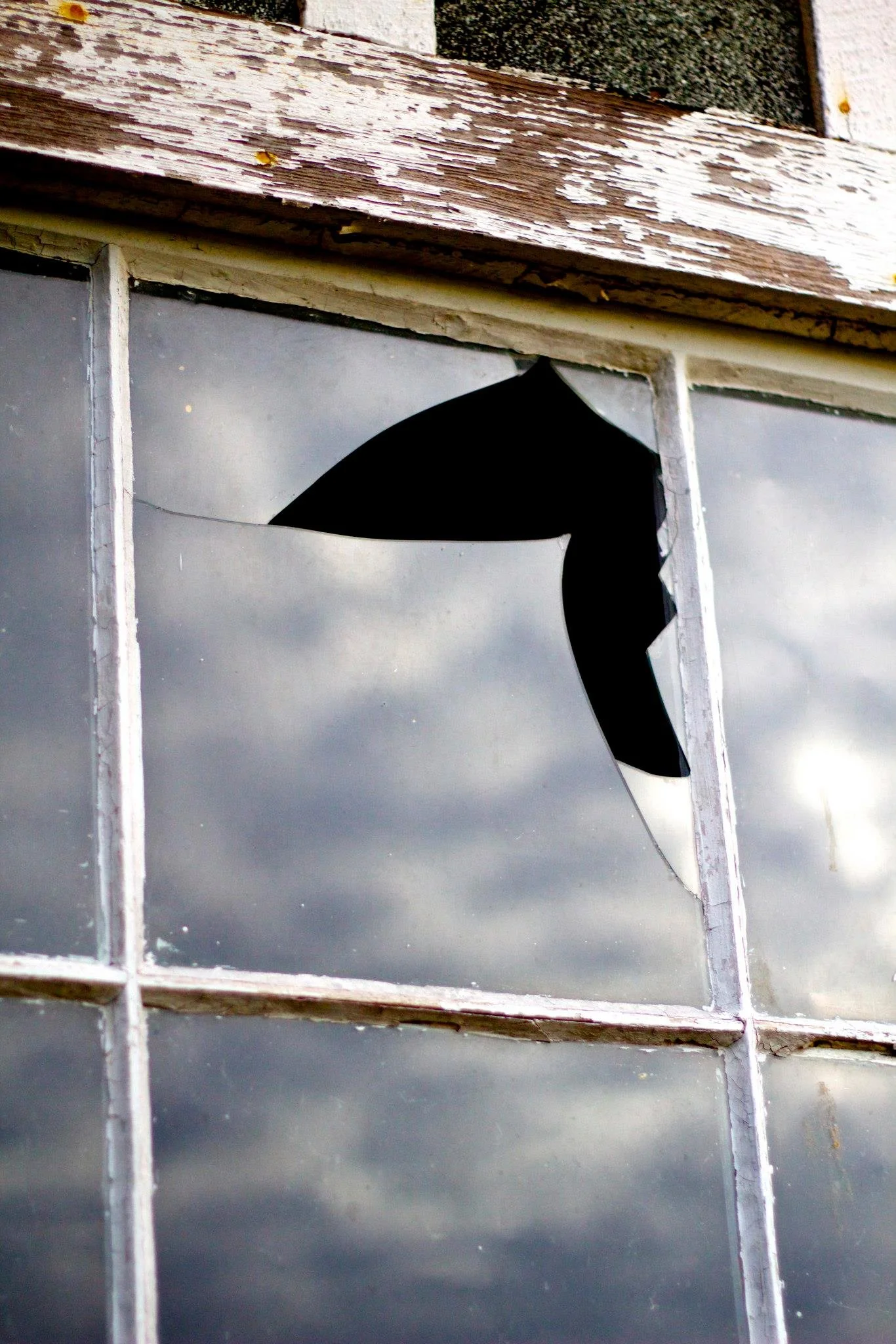
One day, hail fell like golf balls from the sky. Windshields cracked. I ran outside like a war correspondent and took the most dramatic, contrasty photos of shattered glass you’ve ever seen. Saturation maxed out. Blacks crushed. Grain everywhere. I thought I was groundbreaking. Pulitzer-level. Looking back? Let’s call it bold experimentation.
I took photos of families bringing home adopted children. Of winter dance crowds for the school yearbook. Life events that felt so much bigger than my ability to capture them—yet I tried anyway.
Then came the camera upgrade that changed everything.

The Upgrade Era
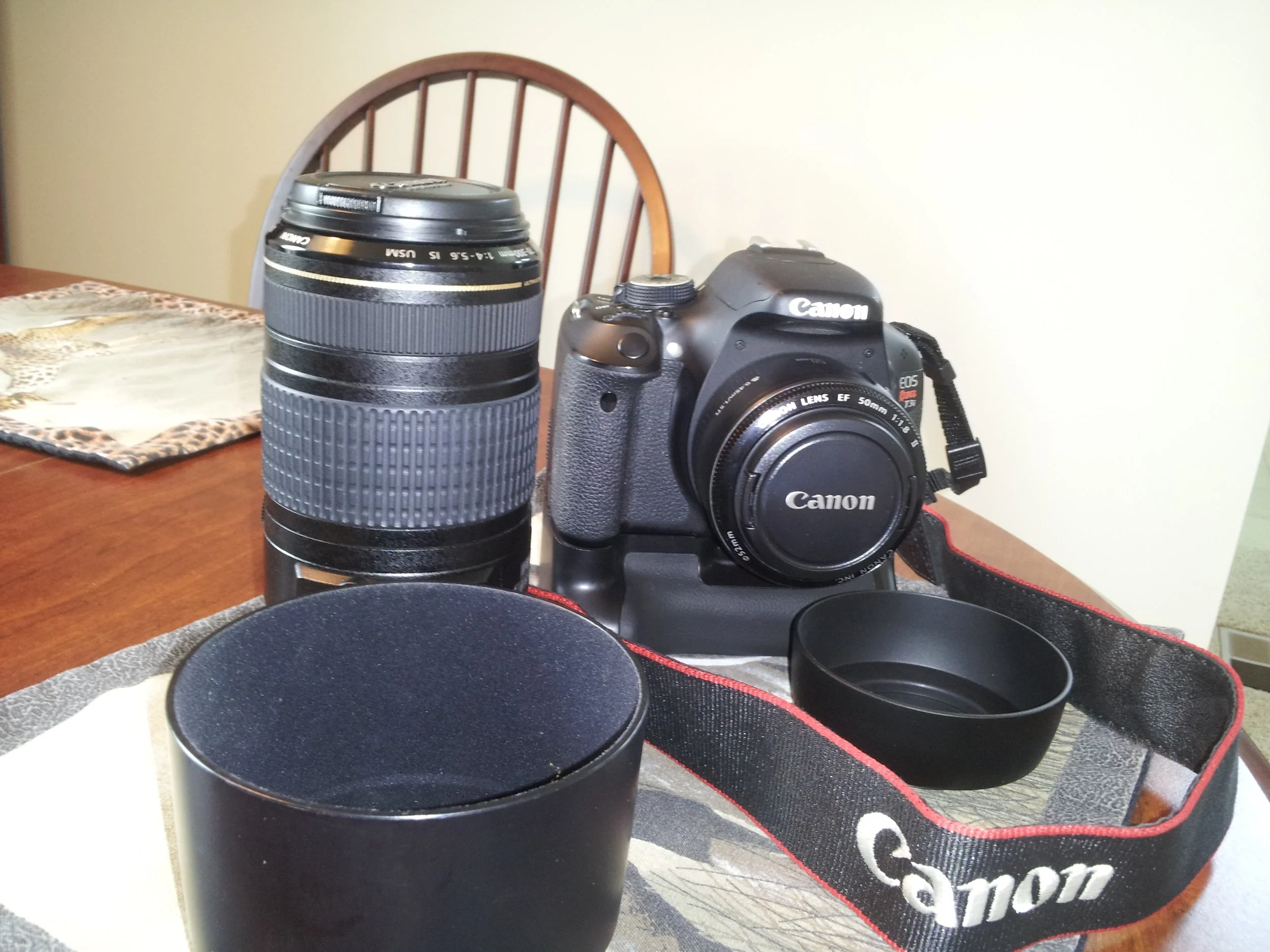
A family friend — head of IT at our giant church, serial gear-upgrader— upgraded from a Canon T3i to a 5D Mark-Something-Huge. Which meant the T3i was suddenly “old.” Ridiculous, but lucky for me. He offered it at a friends-and-family price and I said yes so fast I might’ve cut him off mid-sentence.
That Canon became my teacher.
HDR experiments.
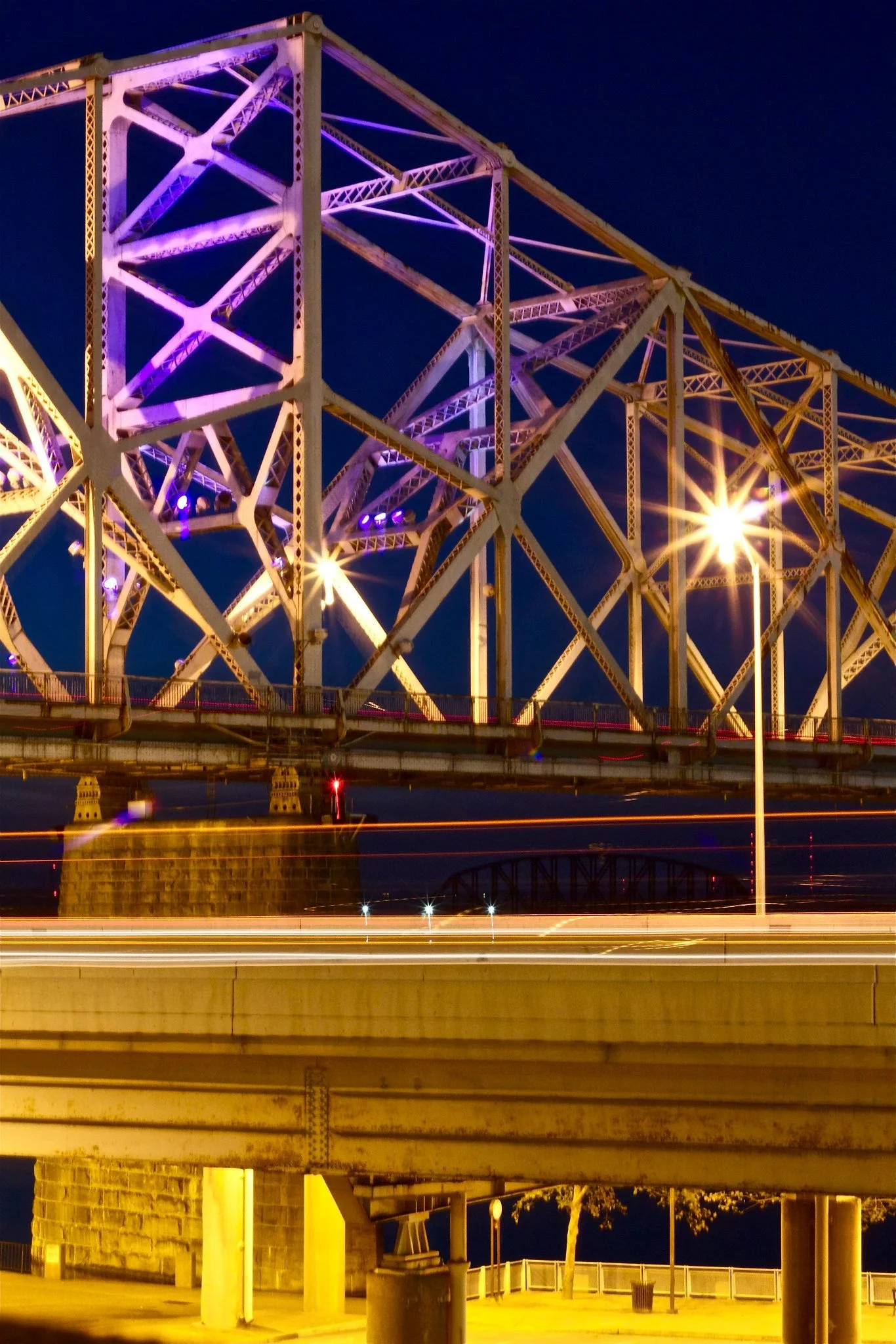
Ridiculous long exposures.
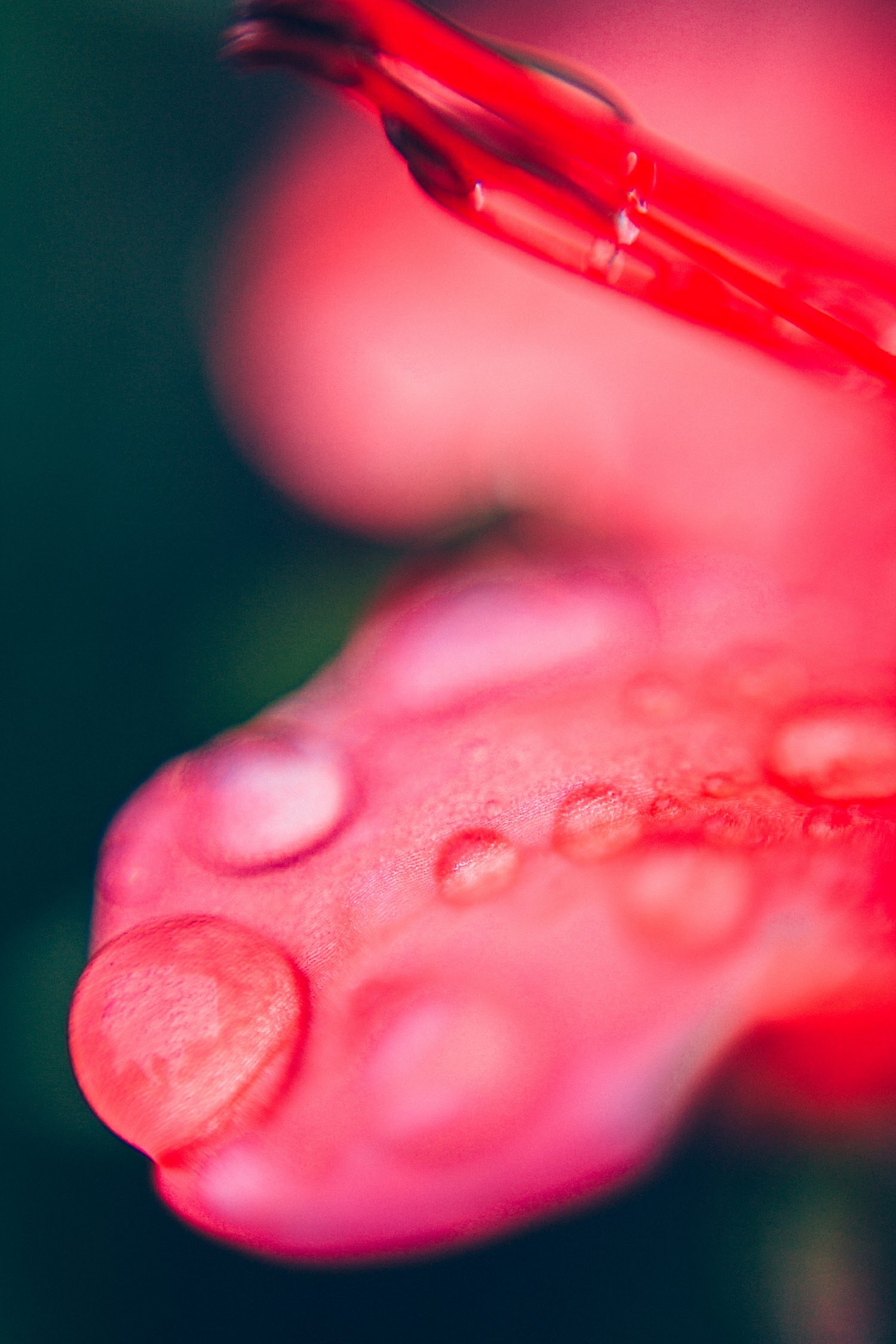
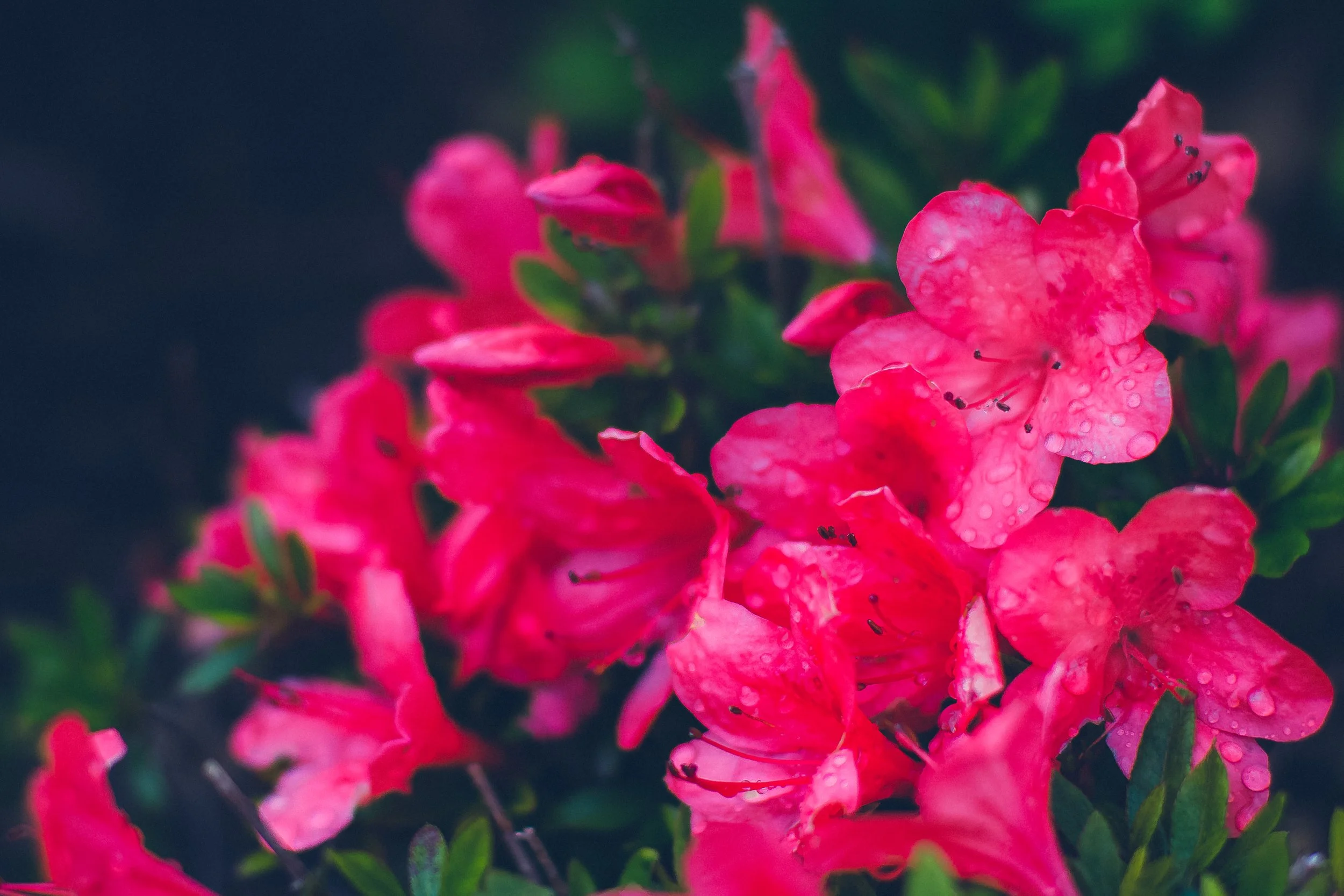
Macro shots of bugs, leaves, raindrops.
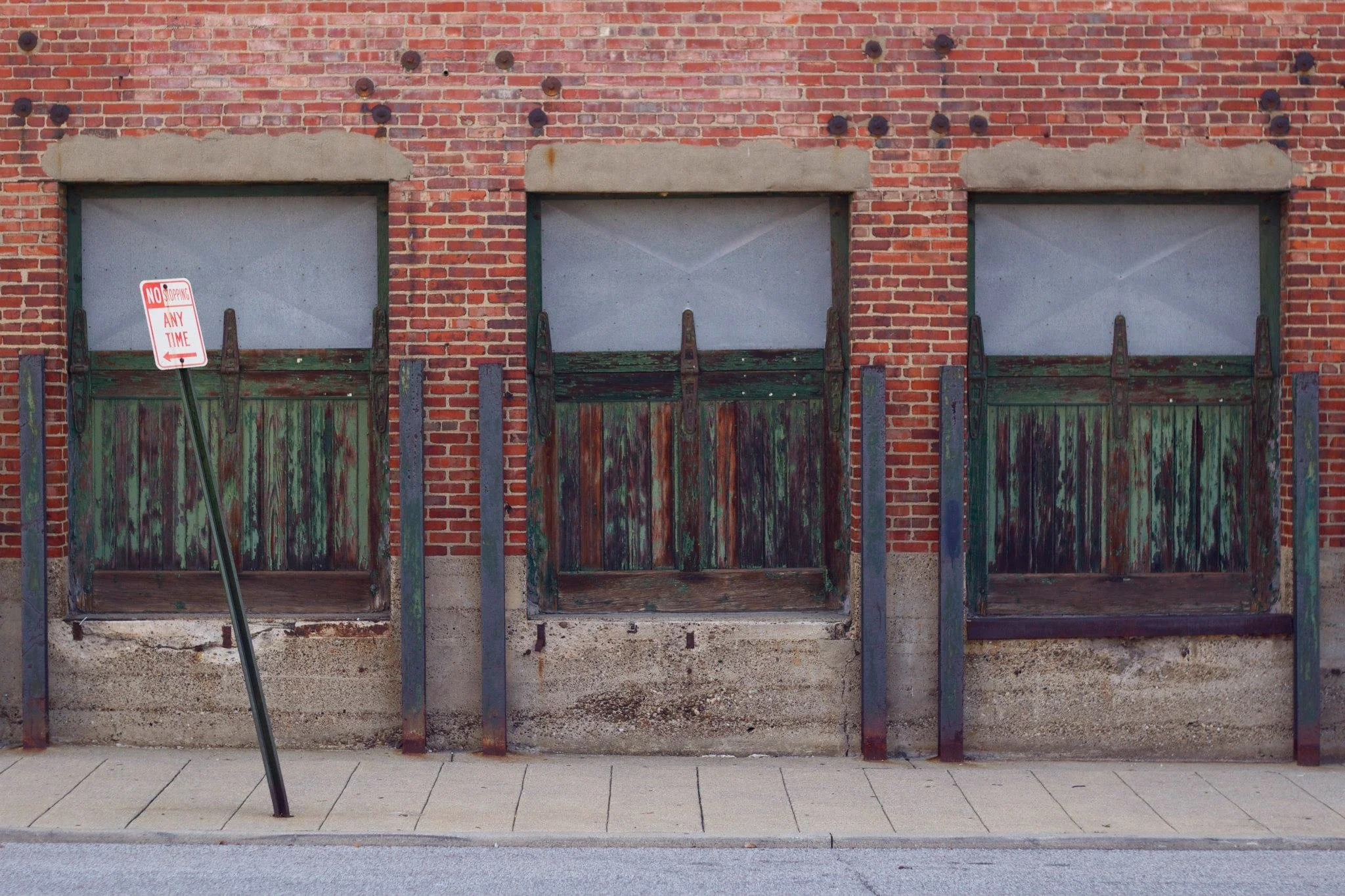
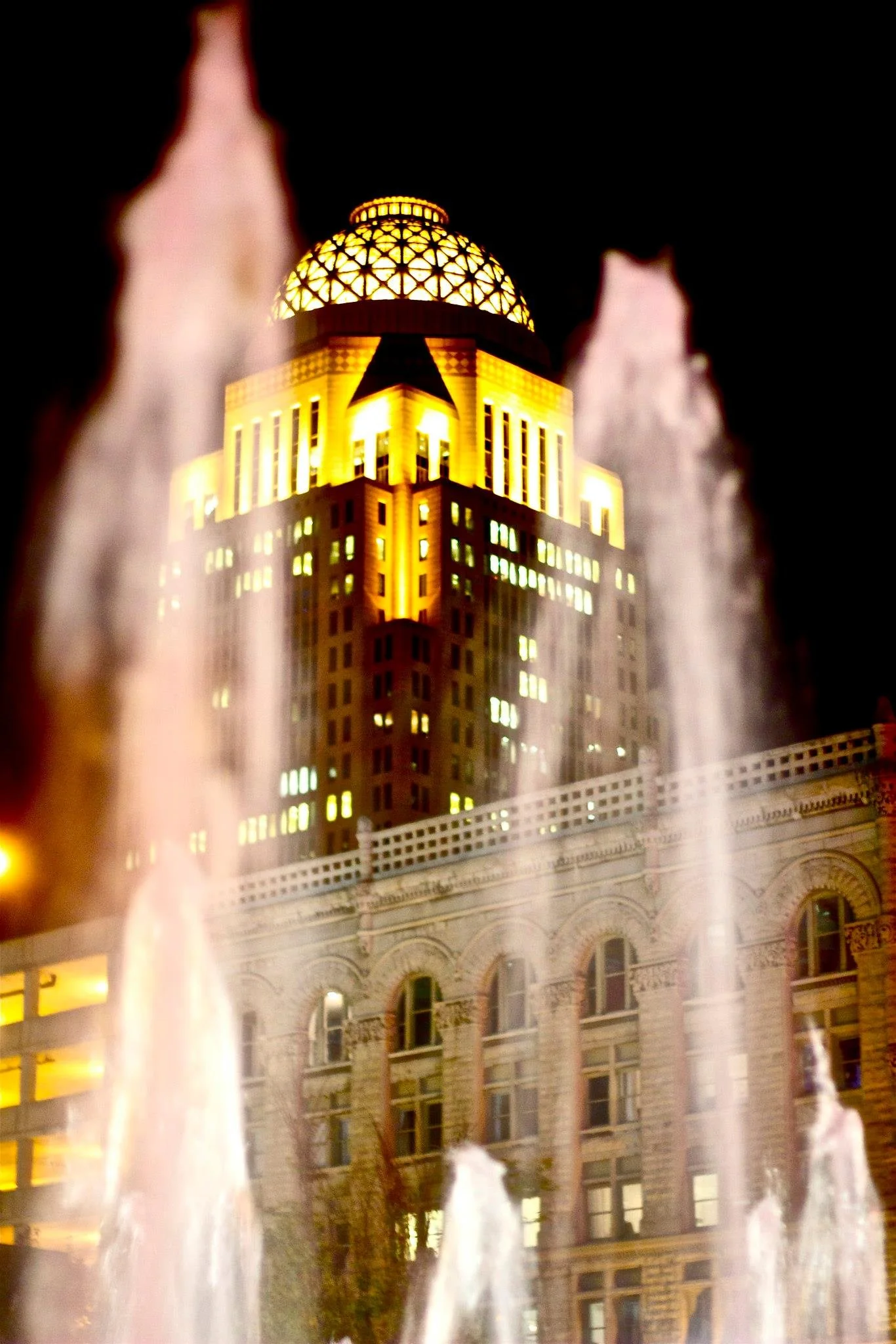
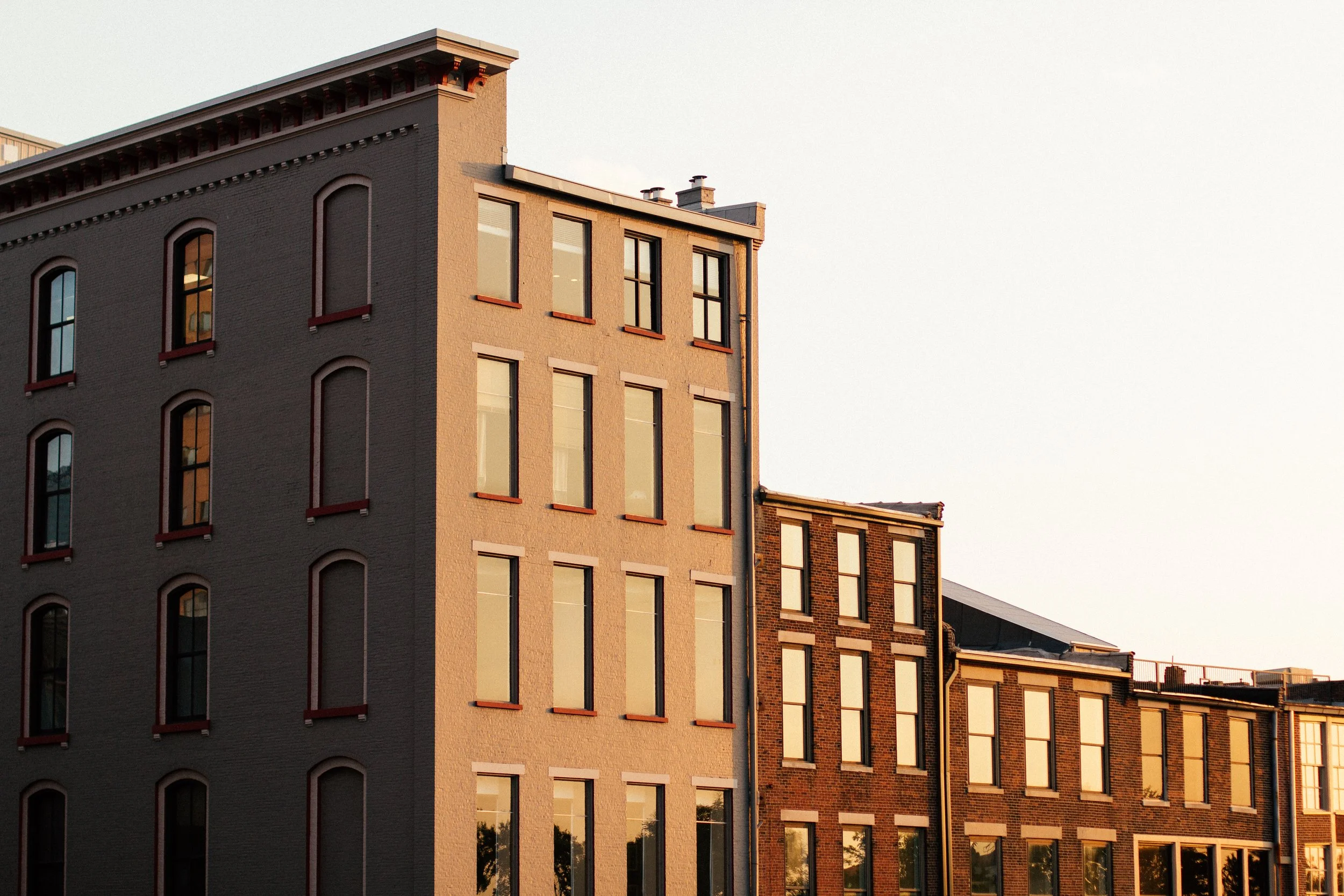
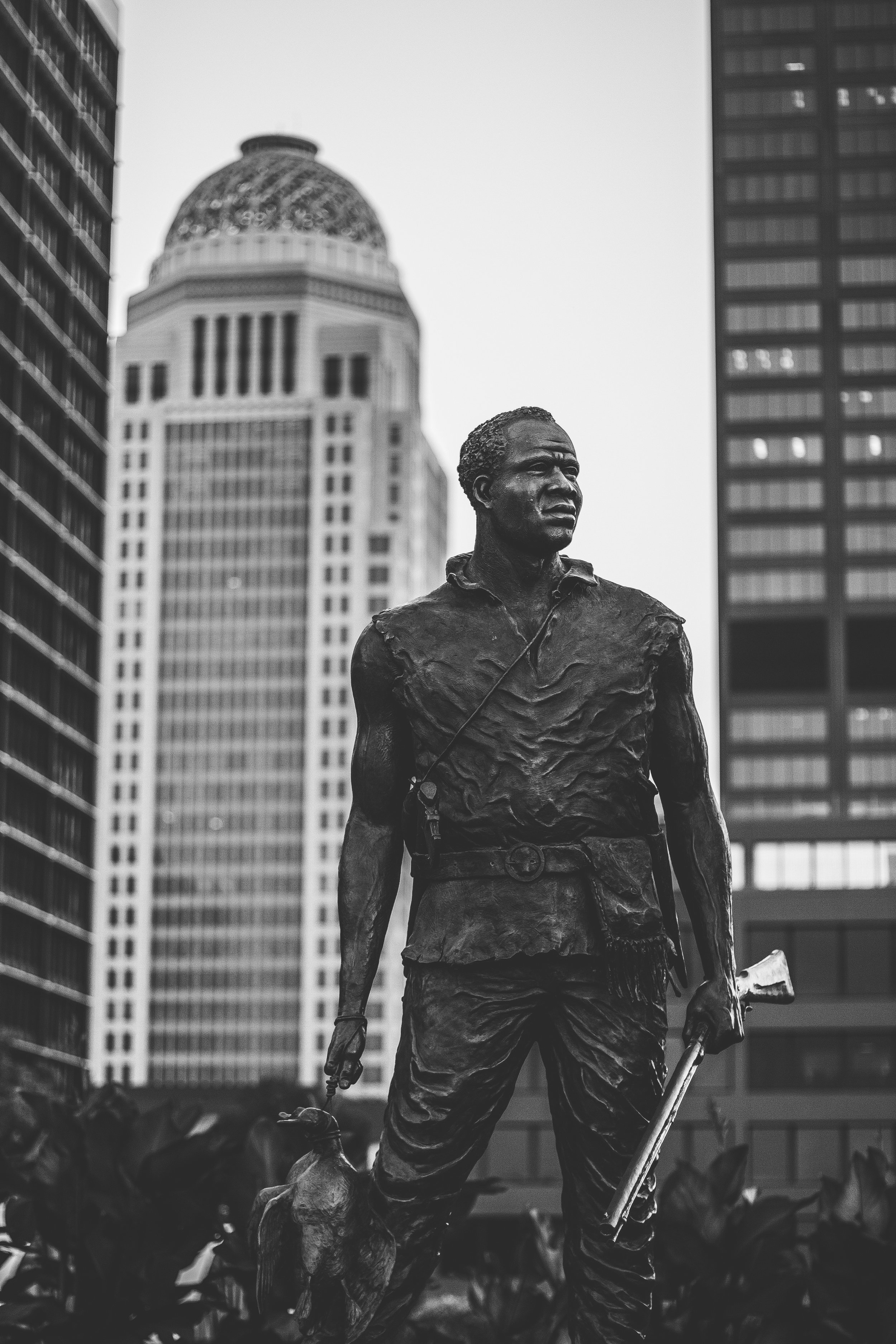
Weekend photo walks through downtown Louisville with a couple friends, shooting rusted fire escapes and neon reflections like we were channeling Ansel Adams himself.
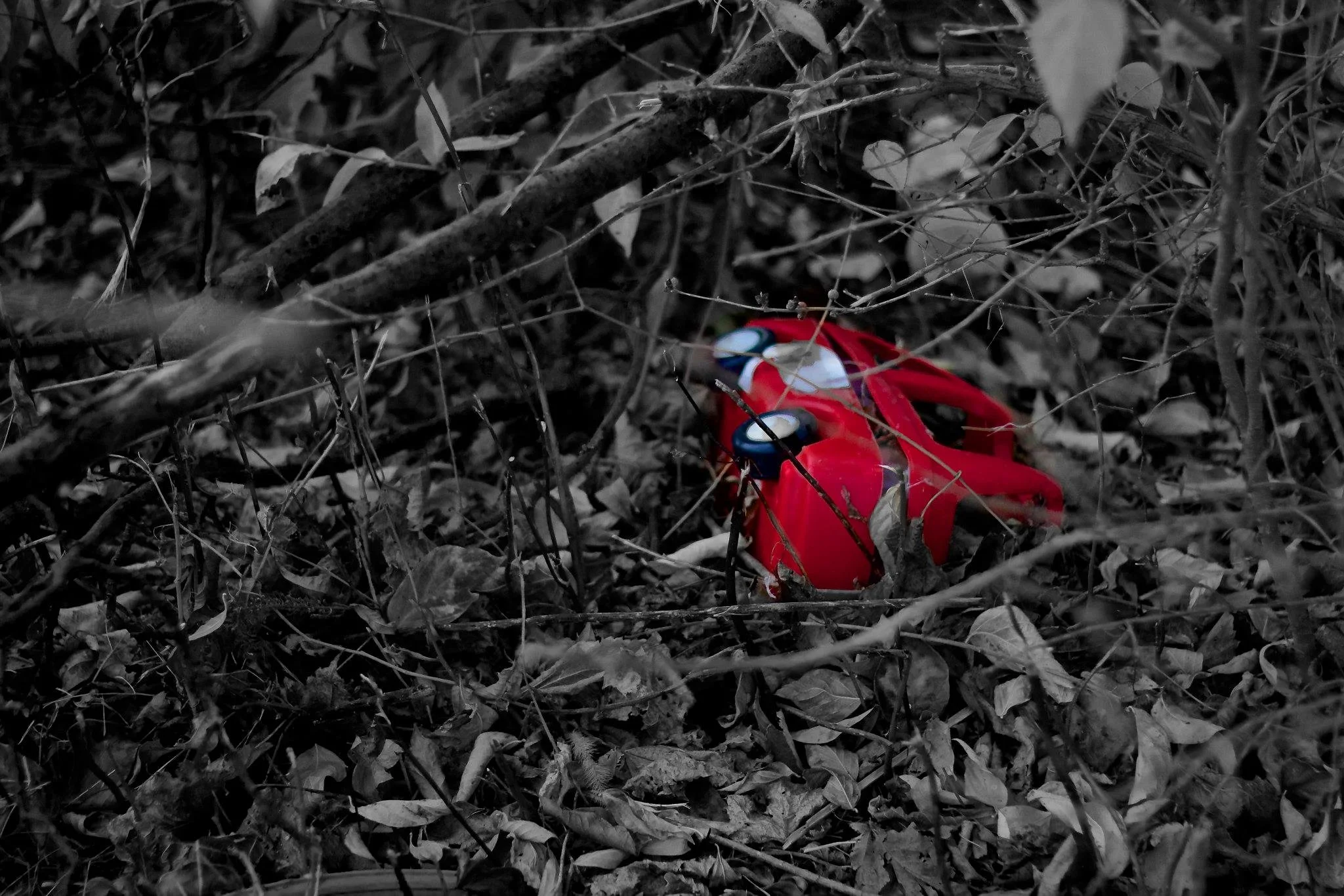
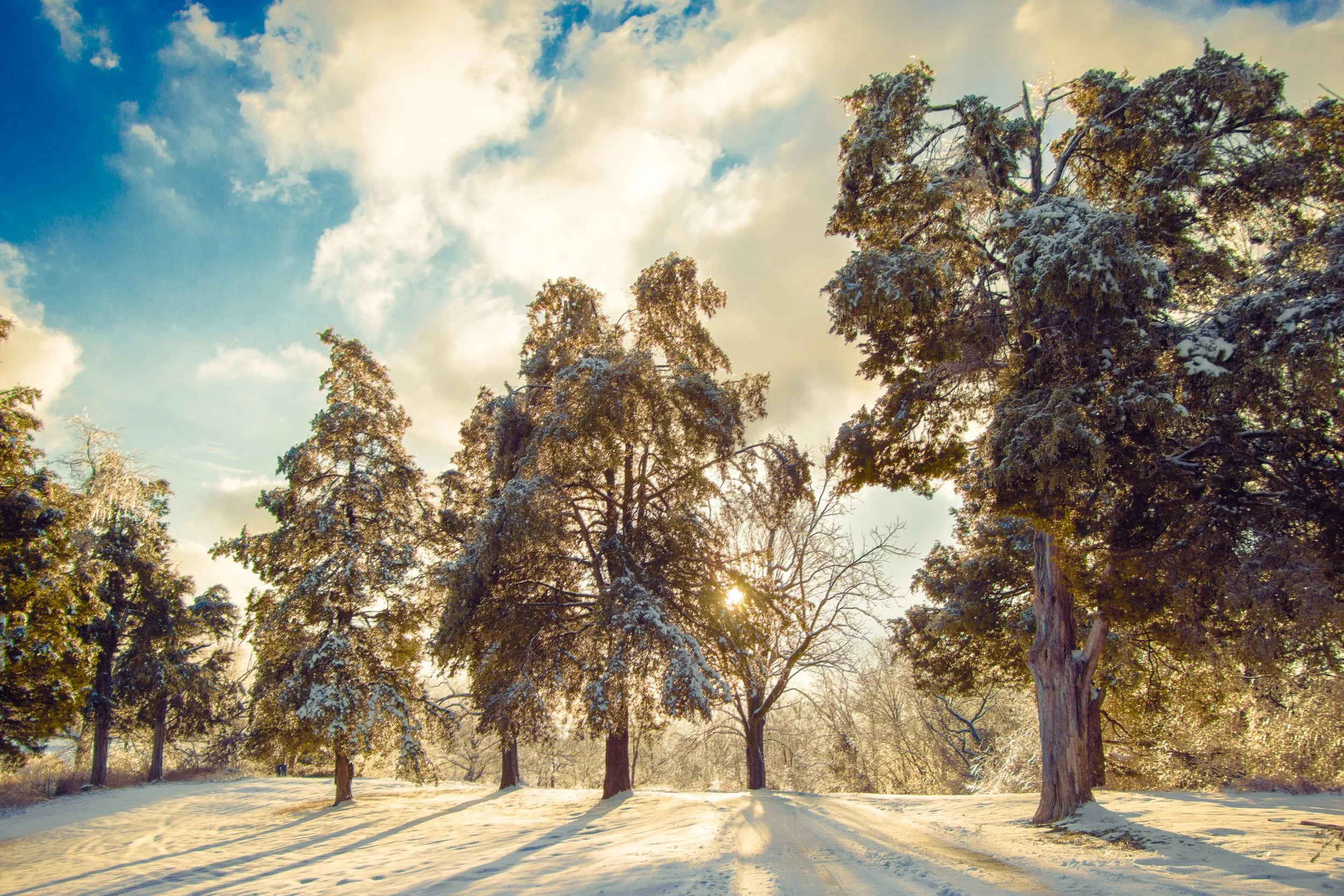
Honesty moment: some most of those edits are painful now. Over-sharpened. High contrast. Selective color (we all did it — don’t lie). Pretentious framing. But enthusiasm carries you further than talent in the beginning. And oh boy, I was enthusiastic. I dabbled in Photoshop cloning myself into frame, weird composites. None of it was “good,” but it stretched my imagination. Chicago was my first time feeling like a real photographer.
I must’ve been pretty pretentious then — I know I’m still a bit pretentious now. (Growth is slow, ok??)
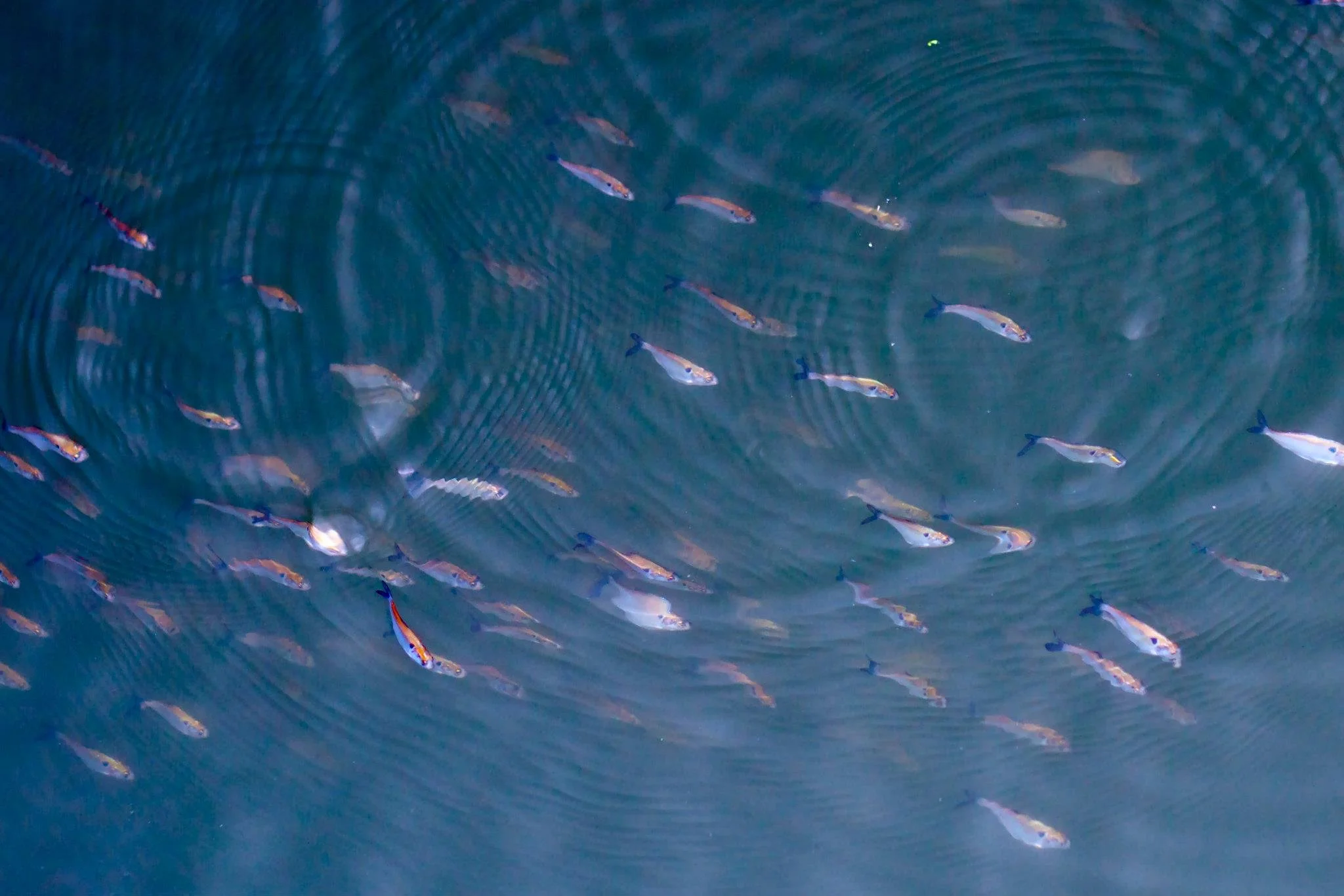
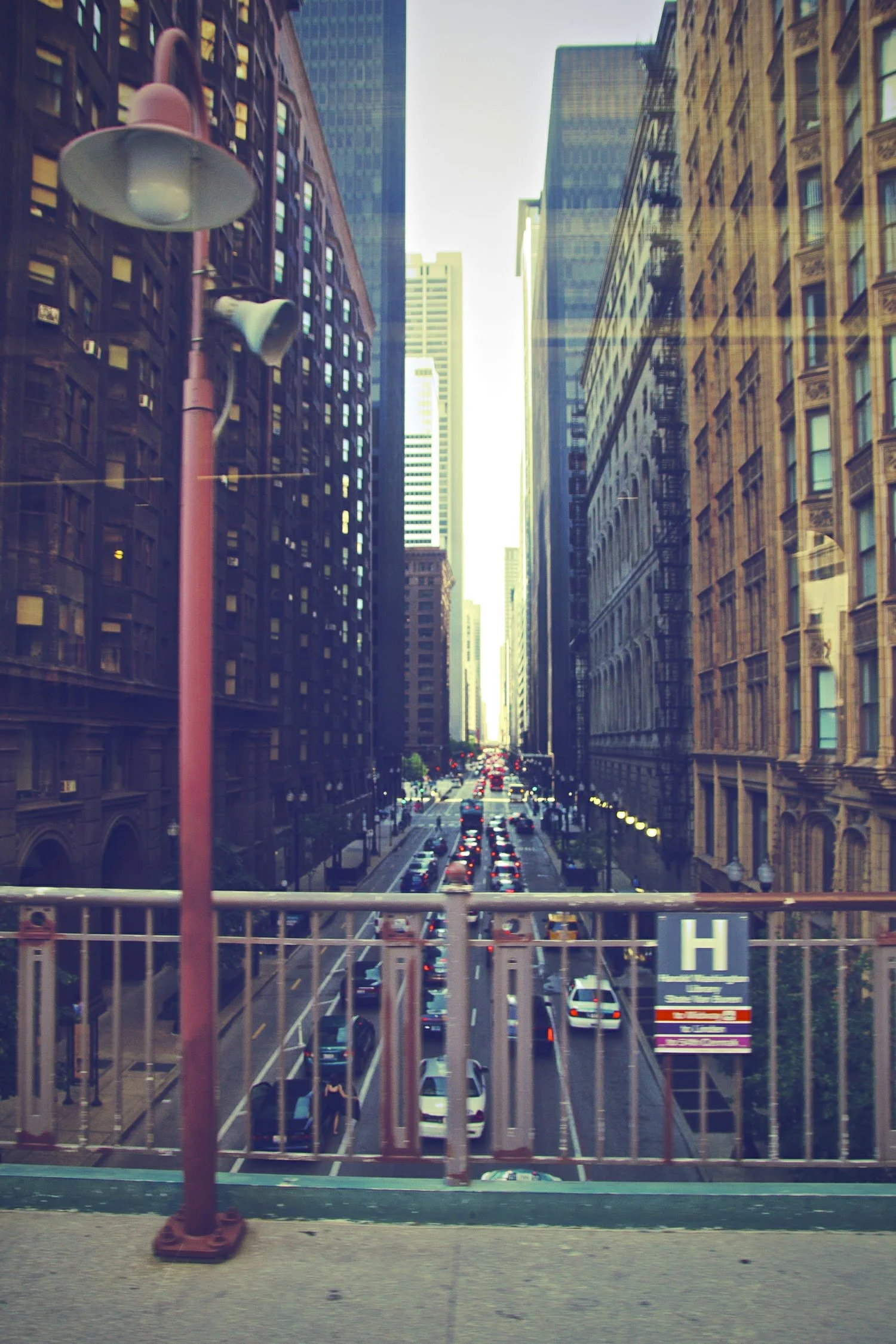
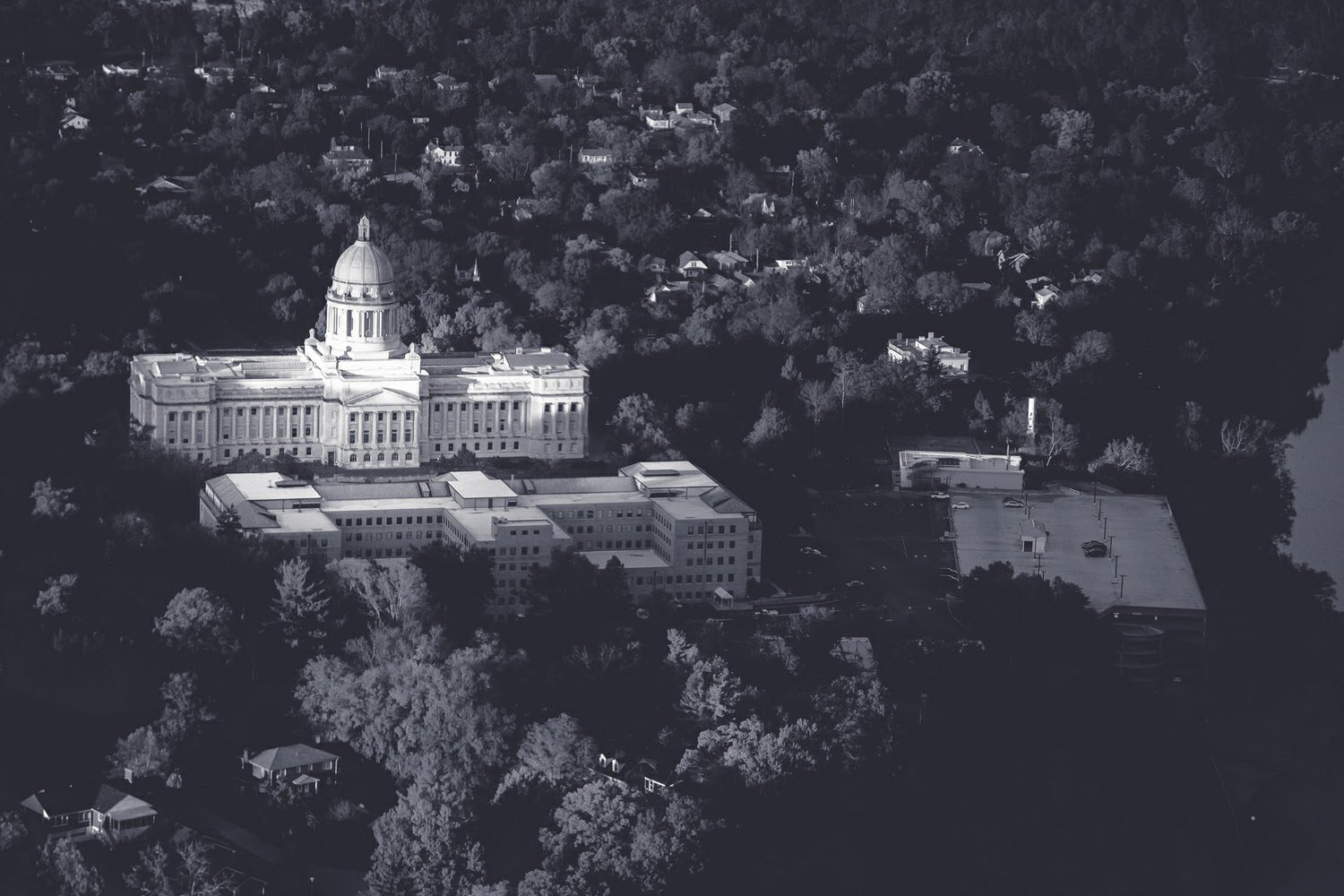
Chicago was the first time I thought, maybe I could do this for real. Street photos, architecture, harsh edits—too much clarity, way too much vignetting—but inside those images were seeds of the style I’d grow into. Expired-film energy. Moody, grainy, nostalgic. The kind of photo that could’ve been taken 60 years ago or yesterday. Street shots, architecture, trains rattling overhead. I edited everything like it was shot on expired film and processed in a basement darkroom owned by a chain-smoking artist. It was over-the-top, but I loved it. Inside those overly crunchy files was the beginning of my style—grain, mood, timelessness.
The Dealership Years
I found myself in a role that, looking back, shaped my eye for consistency, workflow, and technical discipline more than almost anything else: working at a car dealership in high school. I wasn’t selling cars—thankfully—but I was the staff photographer and videographer for their website and digital marketing. Every day looked something like this: pull a used car from the lot, bring it into the photo bay, and take the same 20–30 angles I had taken hundreds of times before. Hood up. Interior. Dash. Rear quarter. Repeat. Over and over.
It sounds monotonous, and in a way it was, but for an 18-year-old with access to freshly traded-in cars—and every once in a while, a brand new Corvette Stingray or a Jag F-Type (that we most definitely did not drive too fast…)—it was electric. There was something surreal about spending my high school summers, showing up at work, and being handed keys to cars I could never afford at the time. Sometimes I couldn’t tell whether I was more excited about driving the cars or photographing them.
Slowly, as my boss learned to trust me, he loosened the creative leash. I started experimenting: different framing, rolling shots in the parking lot (when I could convince someone to drive slowly enough), and eventually short-form videos. I still remember one of my favorite projects: an Office-style mockumentary commercial for the Chevy Volt. It was dry, self-deprecating humor, the kind of thing that would thrive in today’s meme-forward marketing world. But this was before Wendy’s broke the fourth wall on Twitter, before brands learned they could have a personality. So it never aired, never made it past the internal drive… but it lit a spark in me. The idea that content can be fun. That marketing can make you smile.
That job trained me how to work fast, work consistent, and show up creatively even when the task itself didn’t change. Repetition made me precise. Freedom made me curious. And together, without me realizing it at the time, it built the muscles I’d later lean on as a filmmaker.
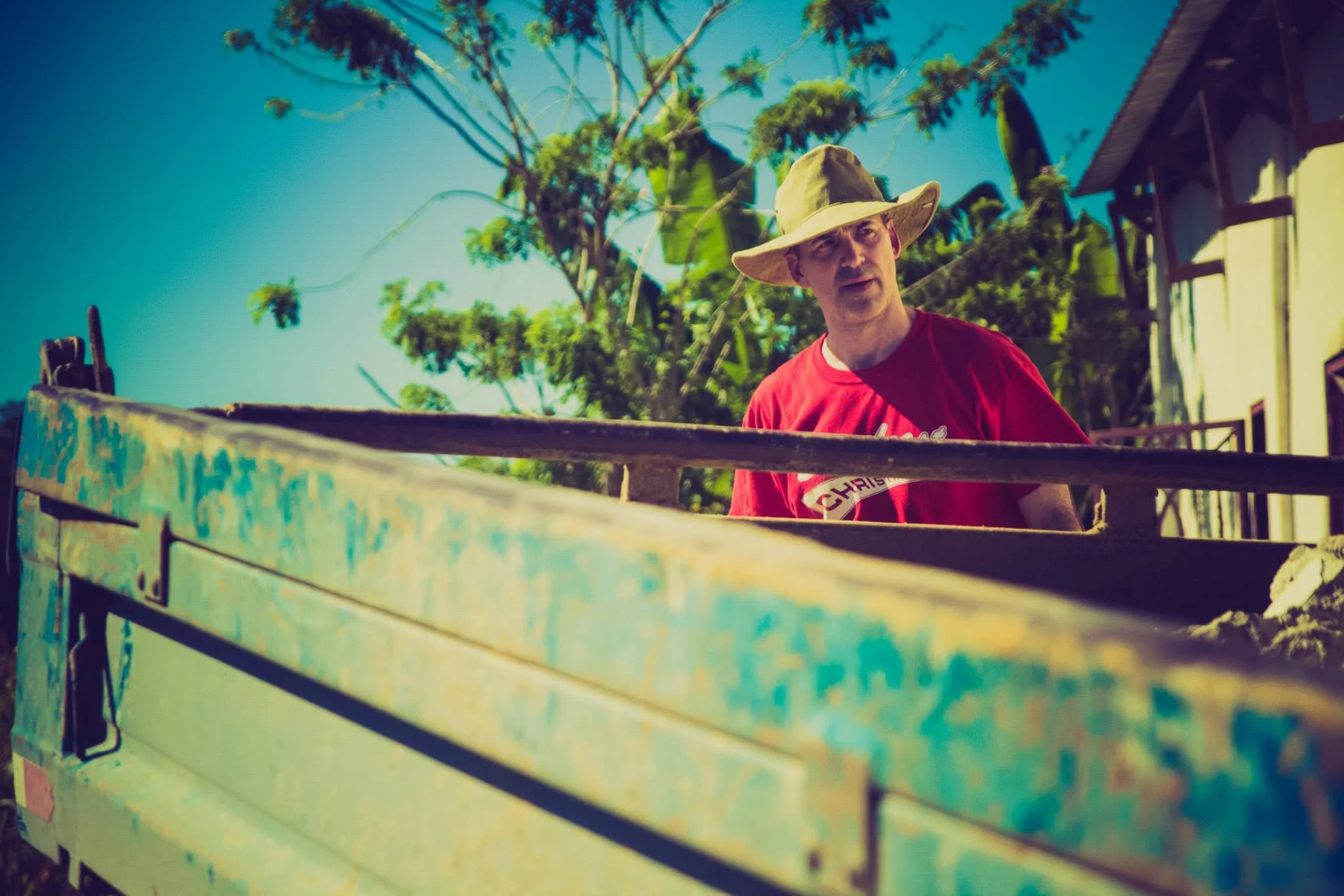
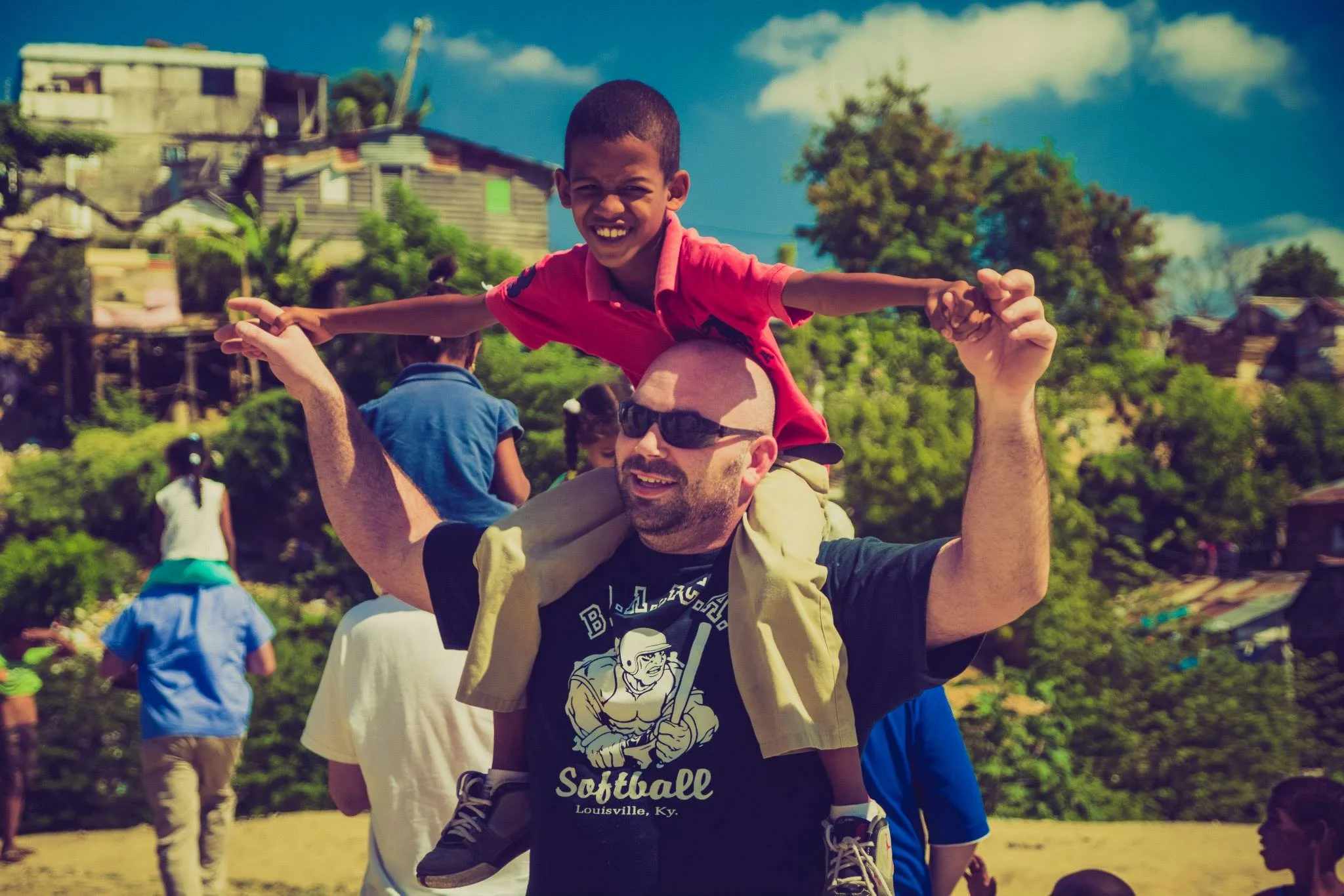
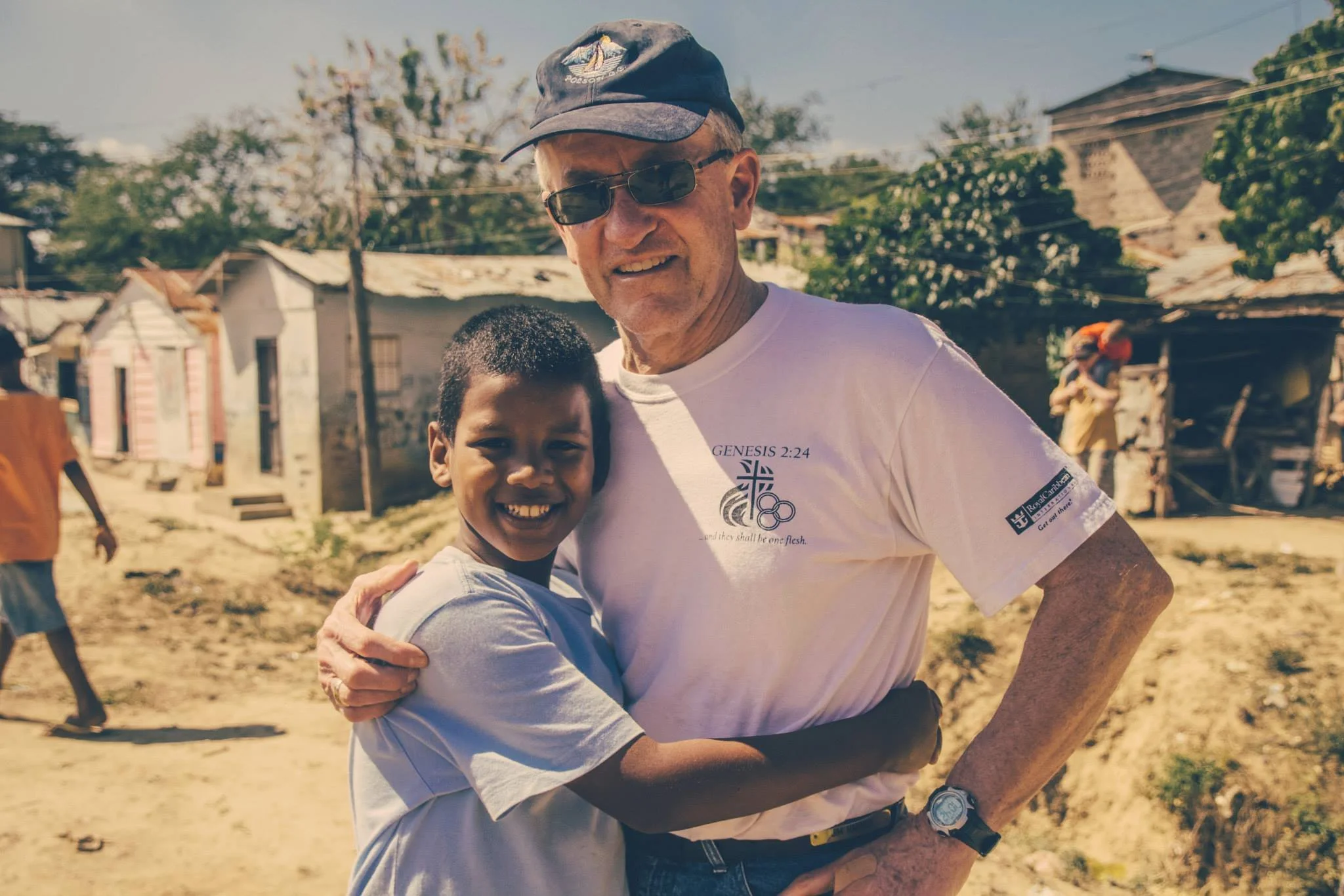
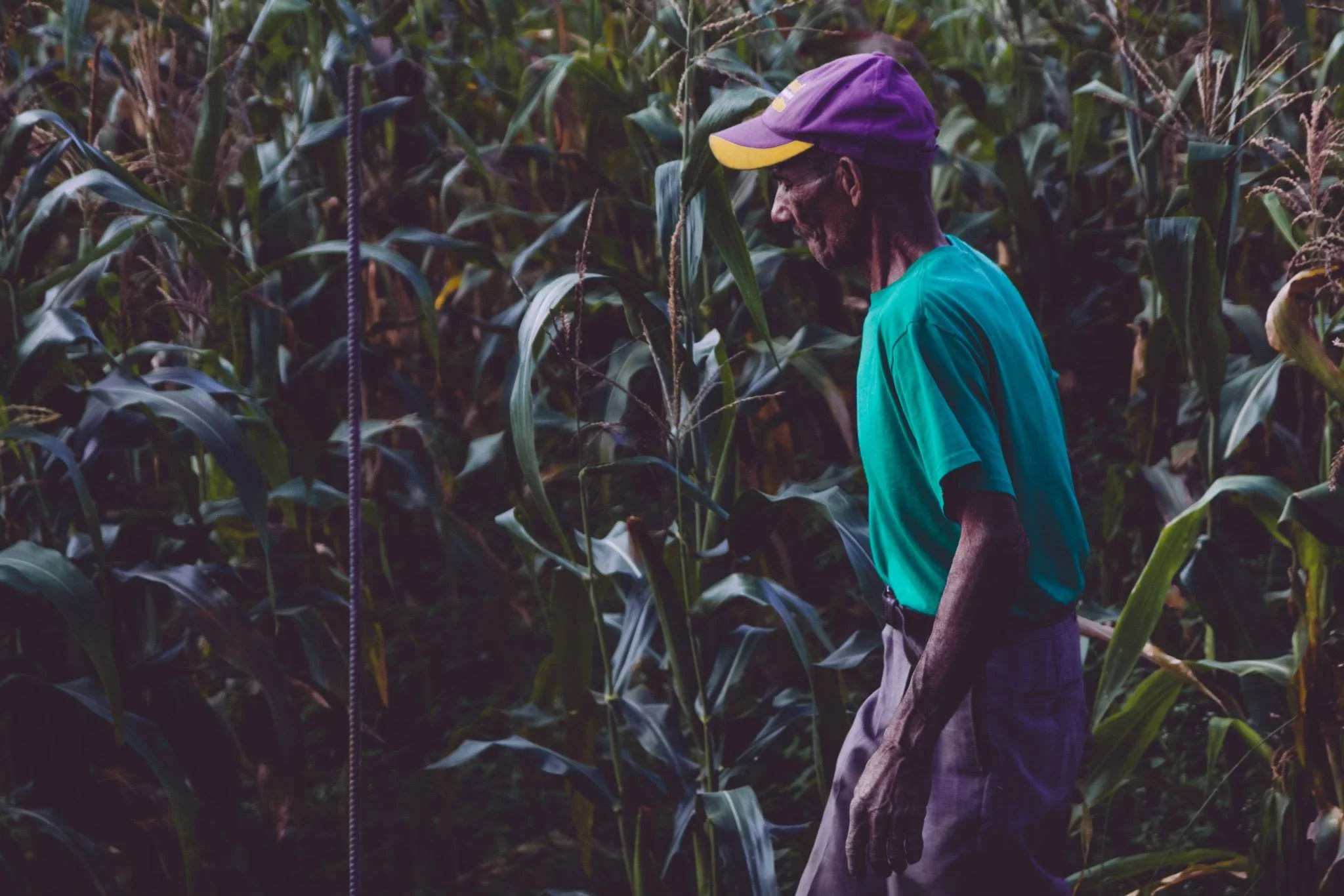
Then Came Mission Work
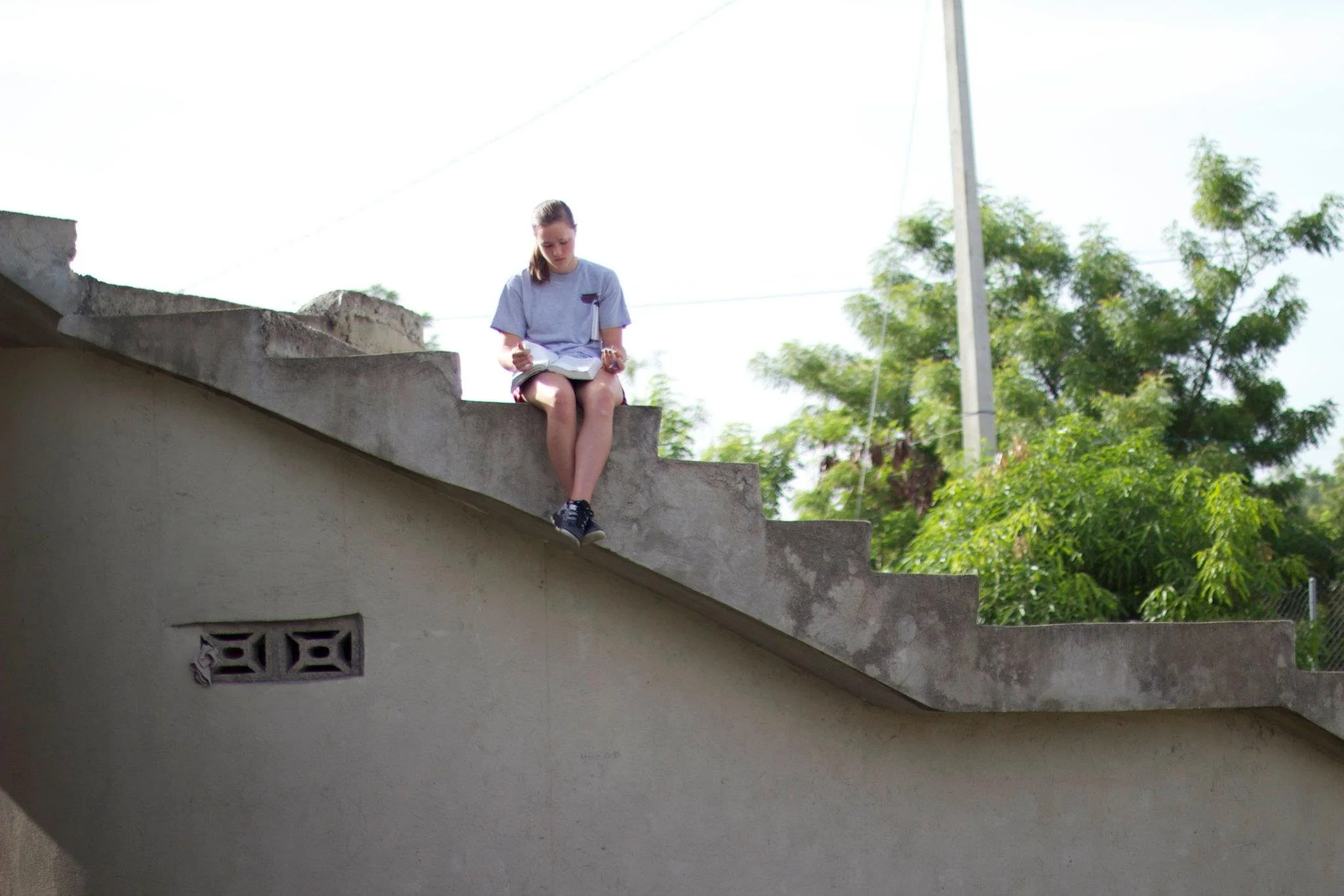
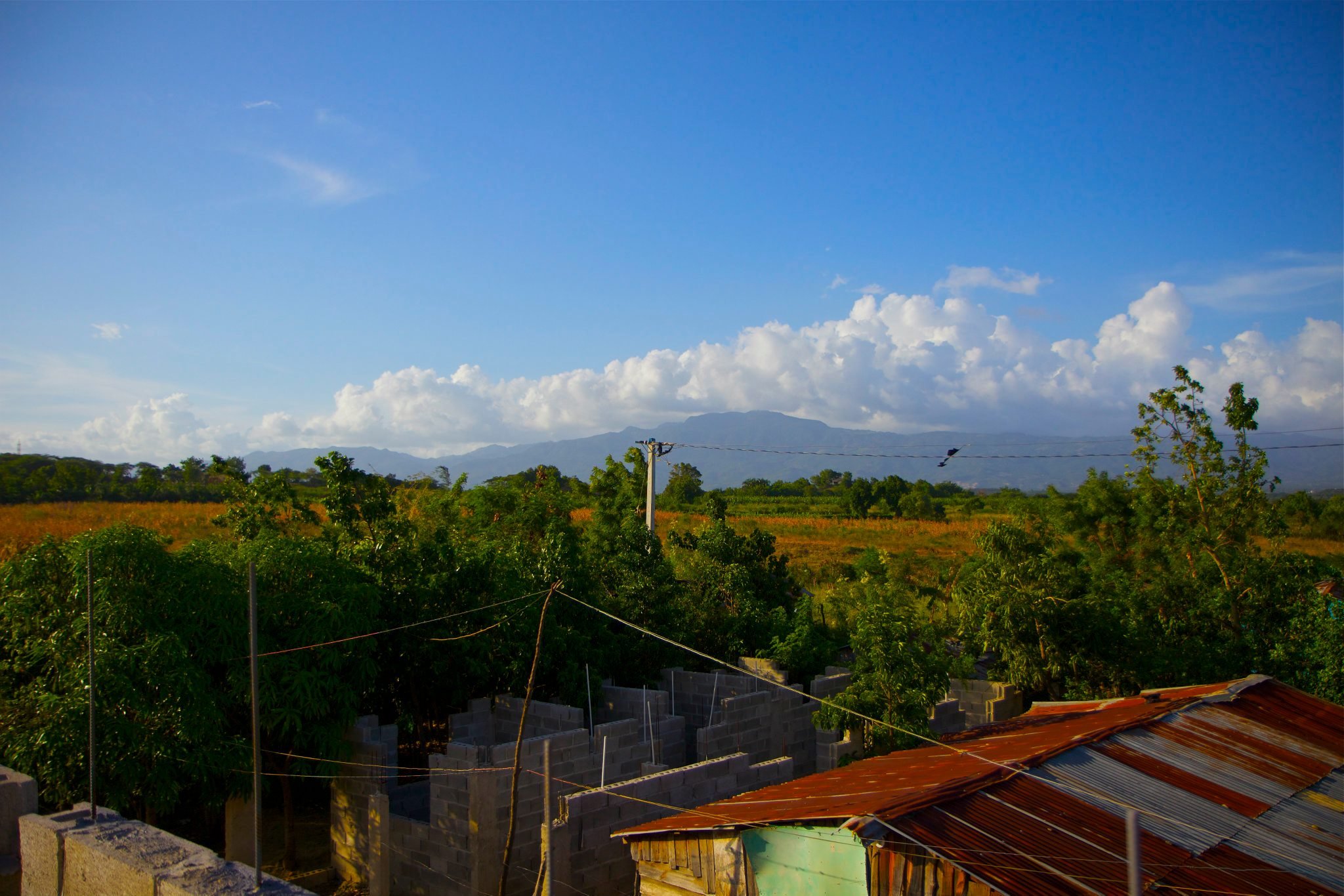
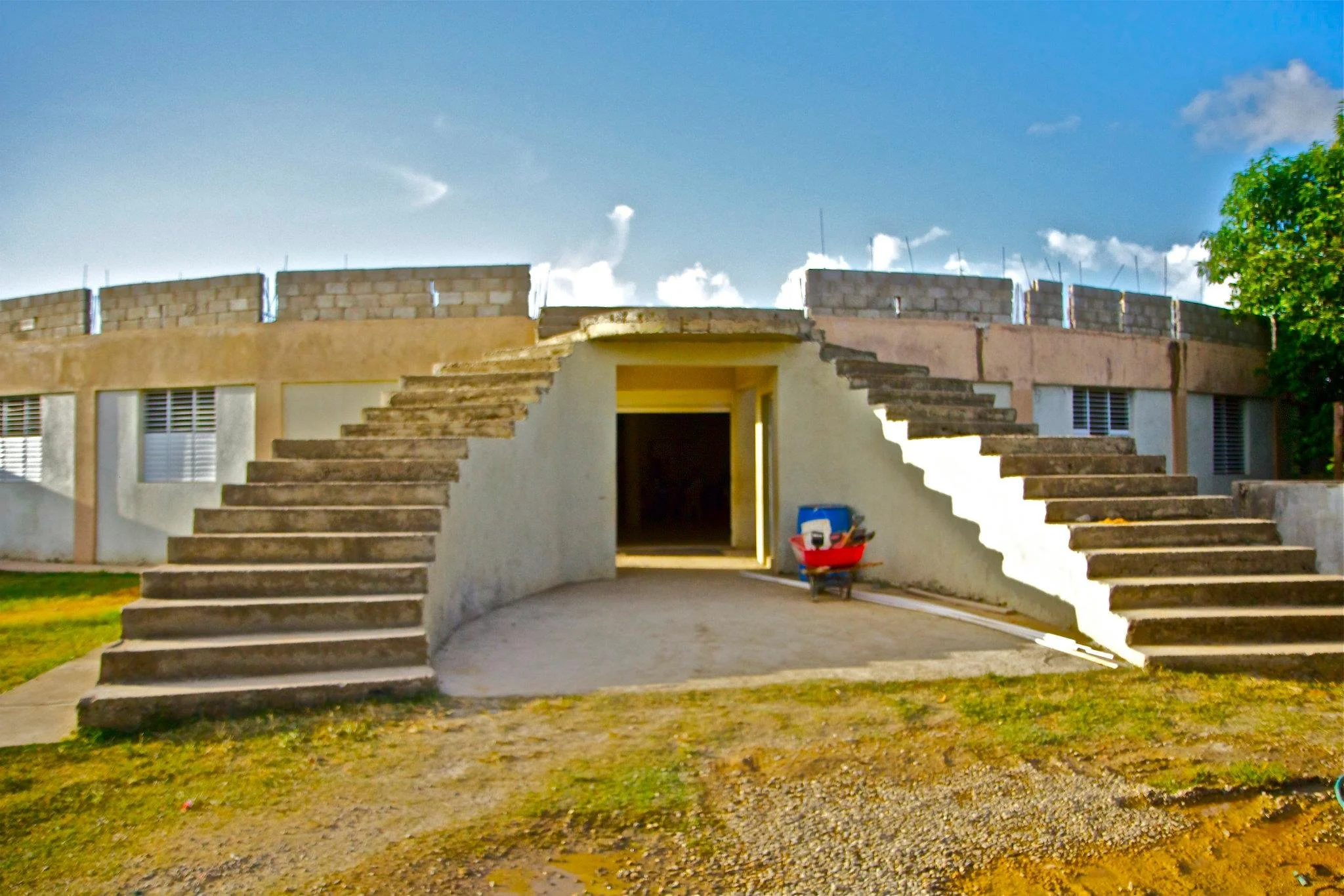
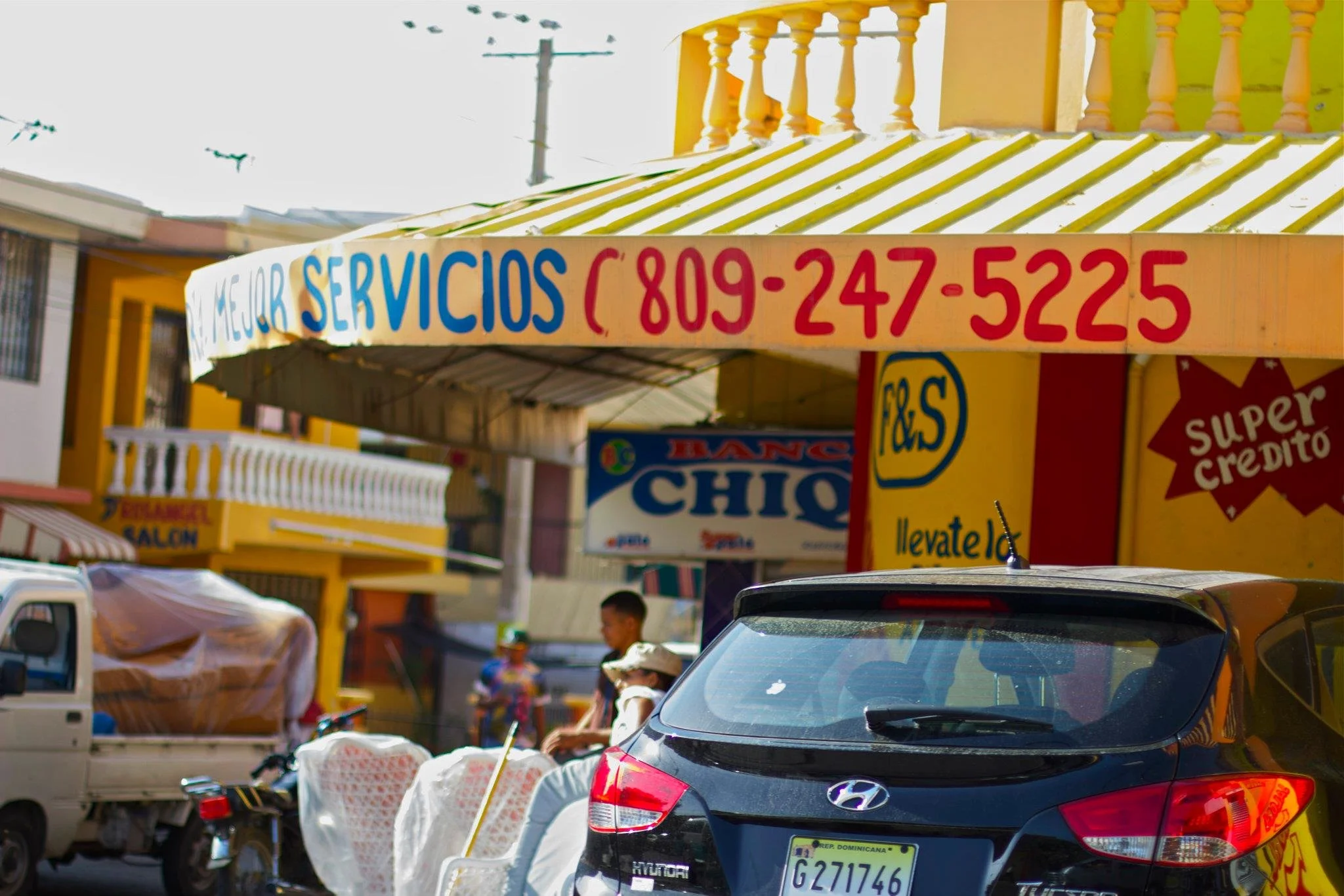
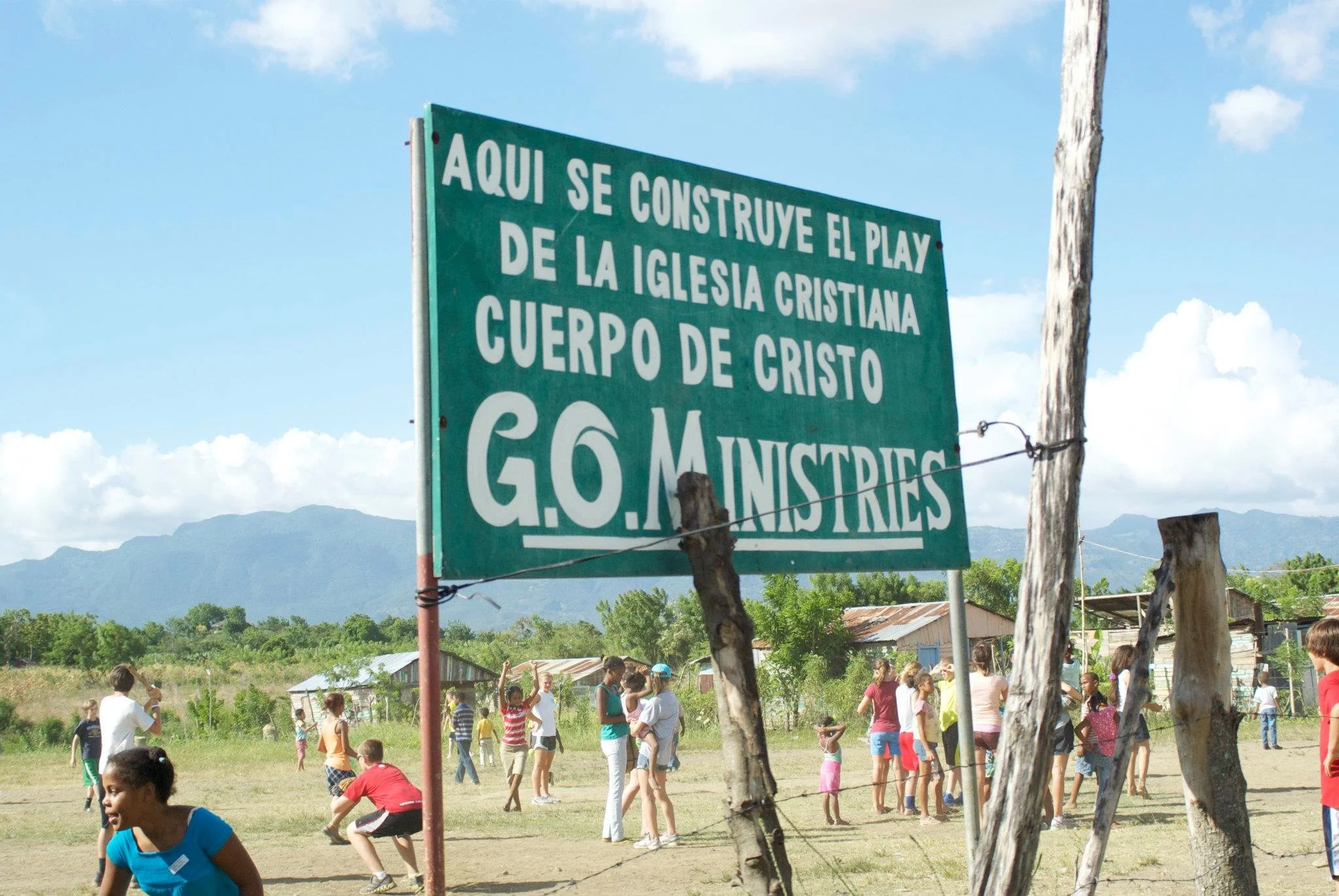
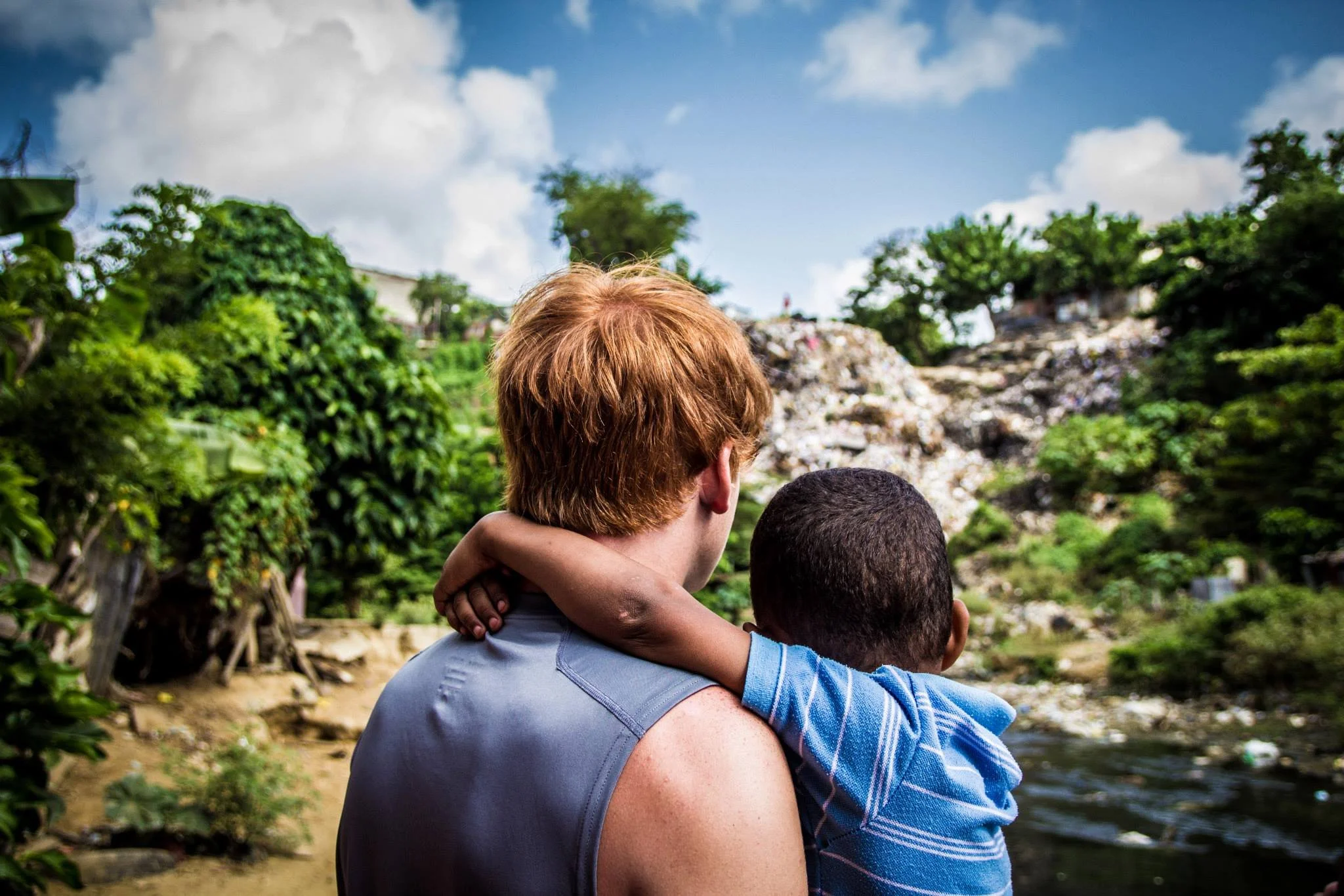
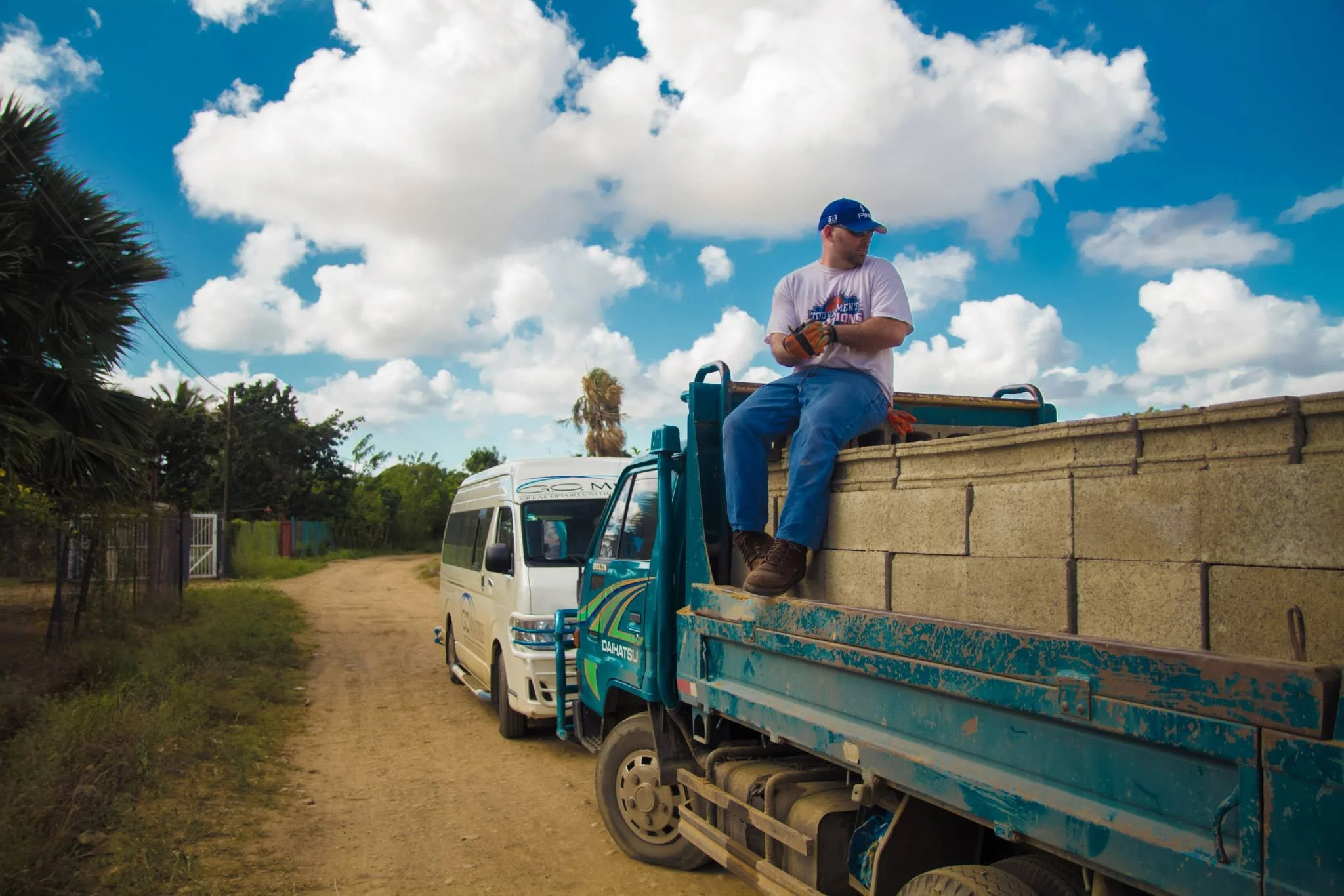
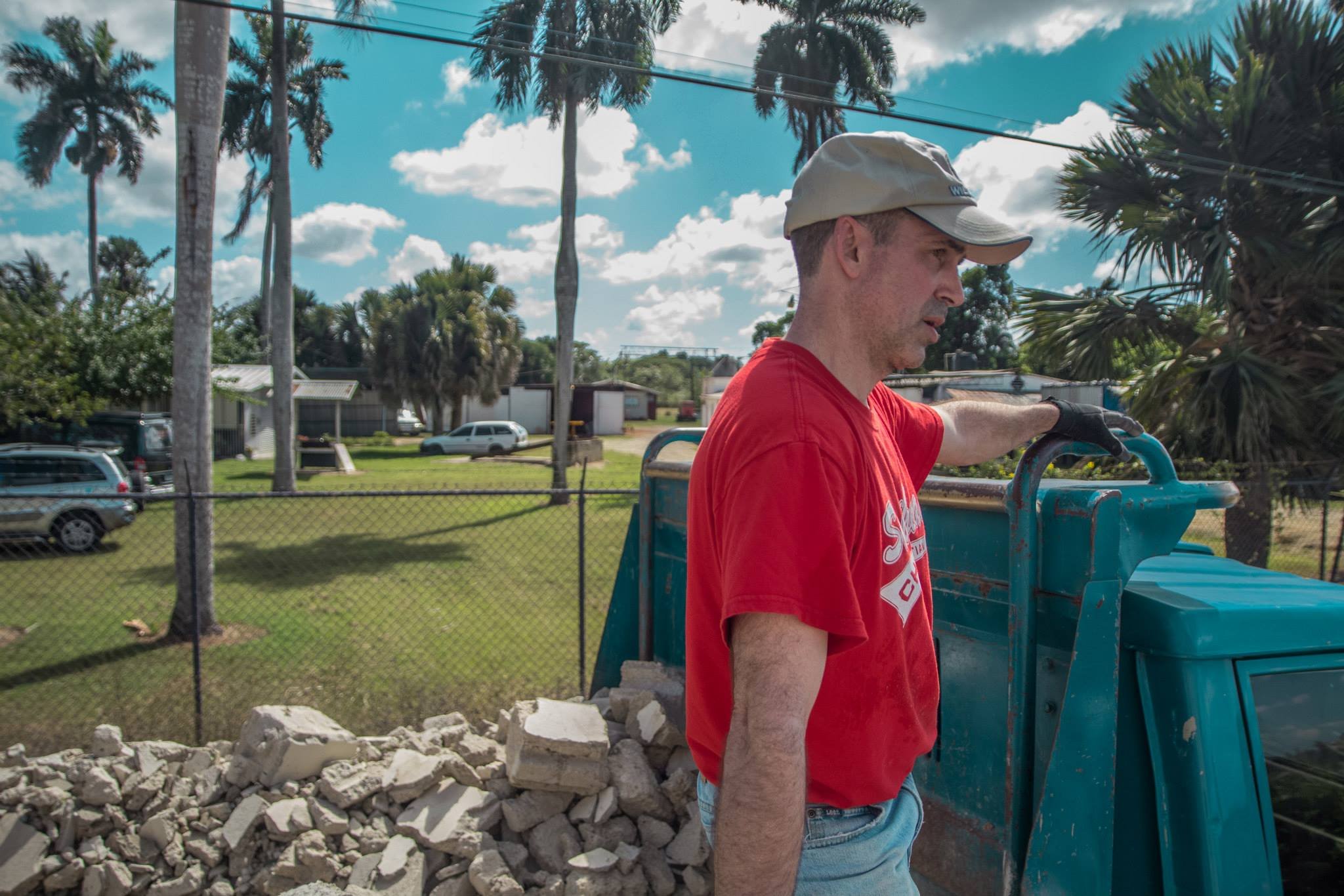
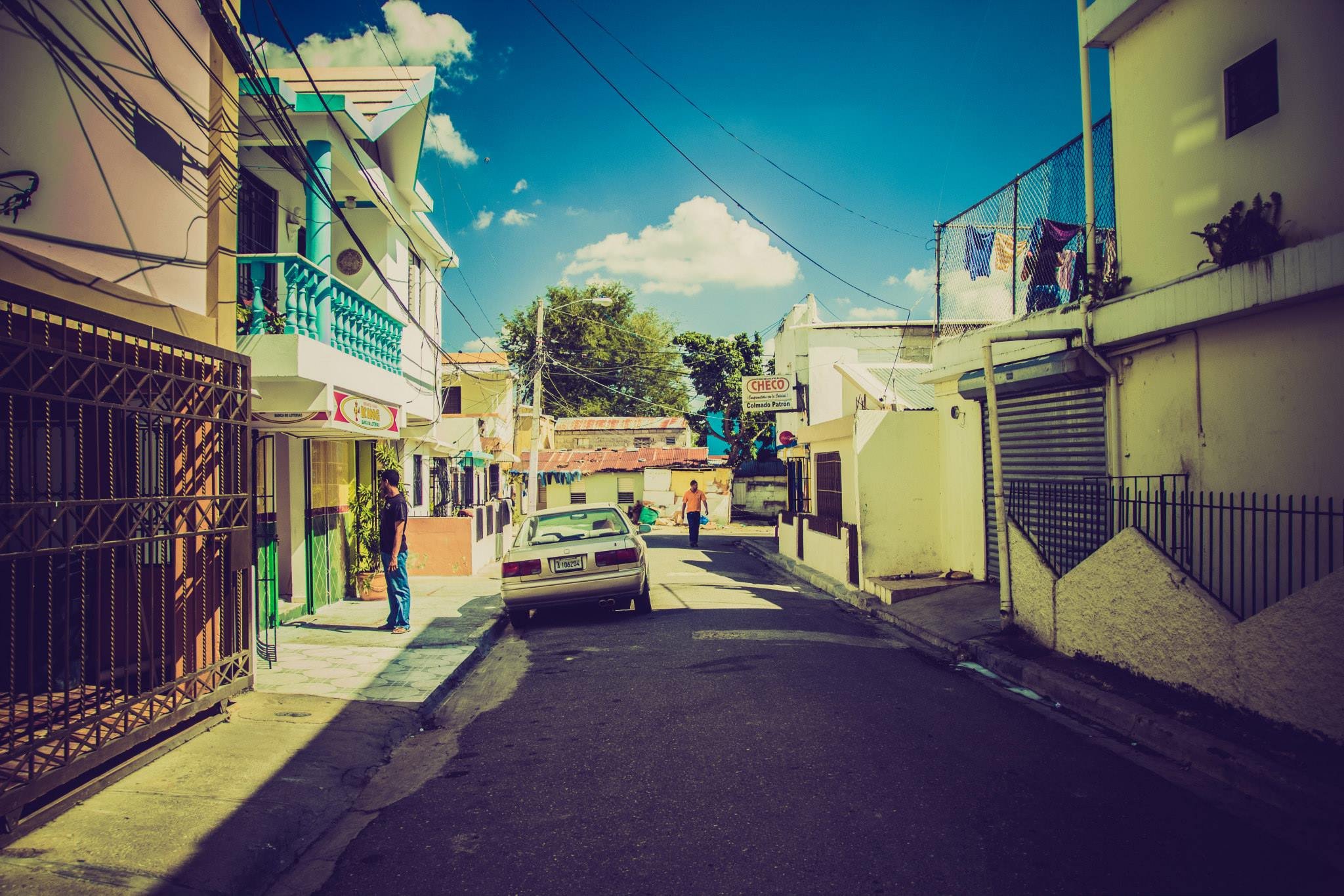
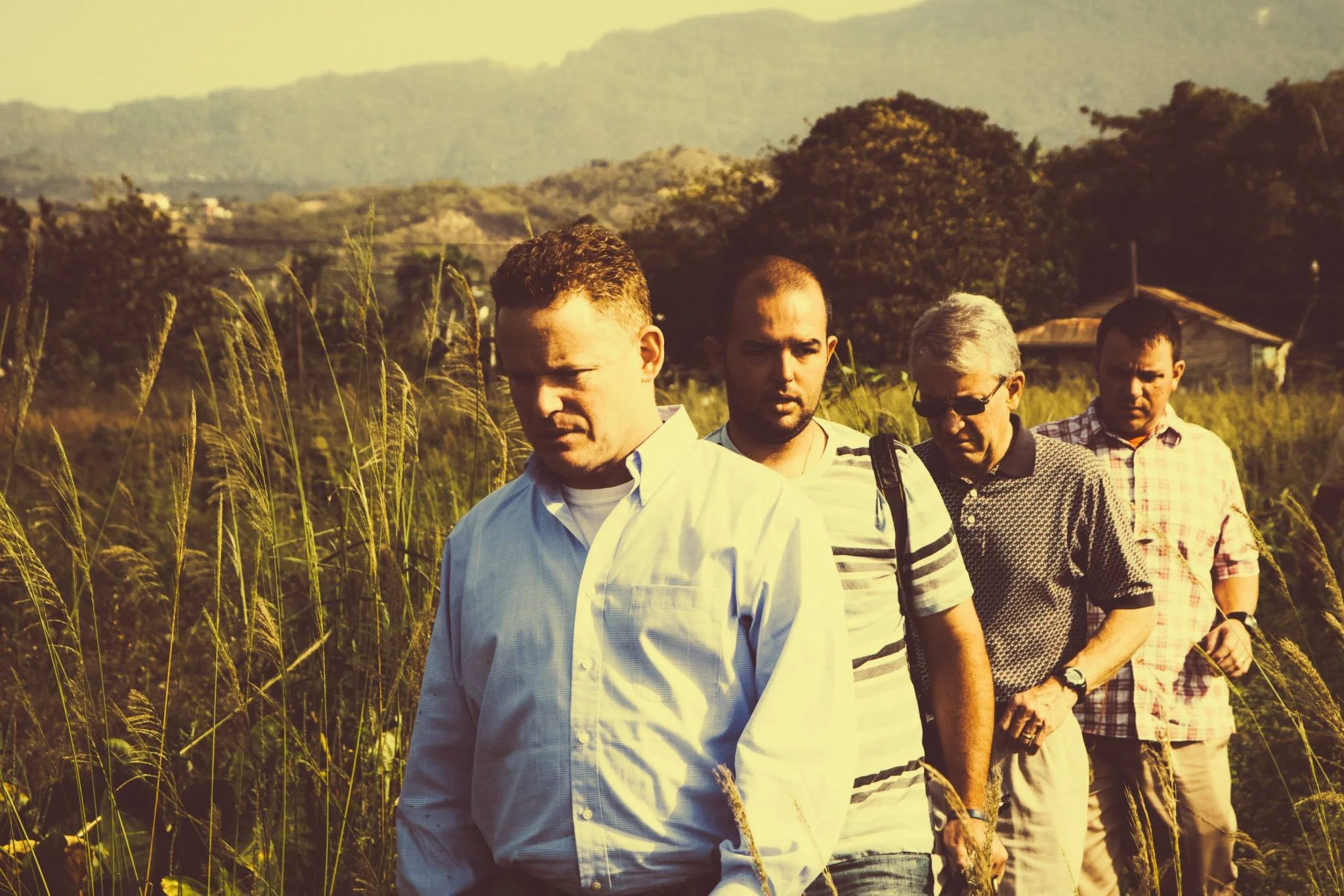
This was big for me. Not just life-changing. Photography-changing.
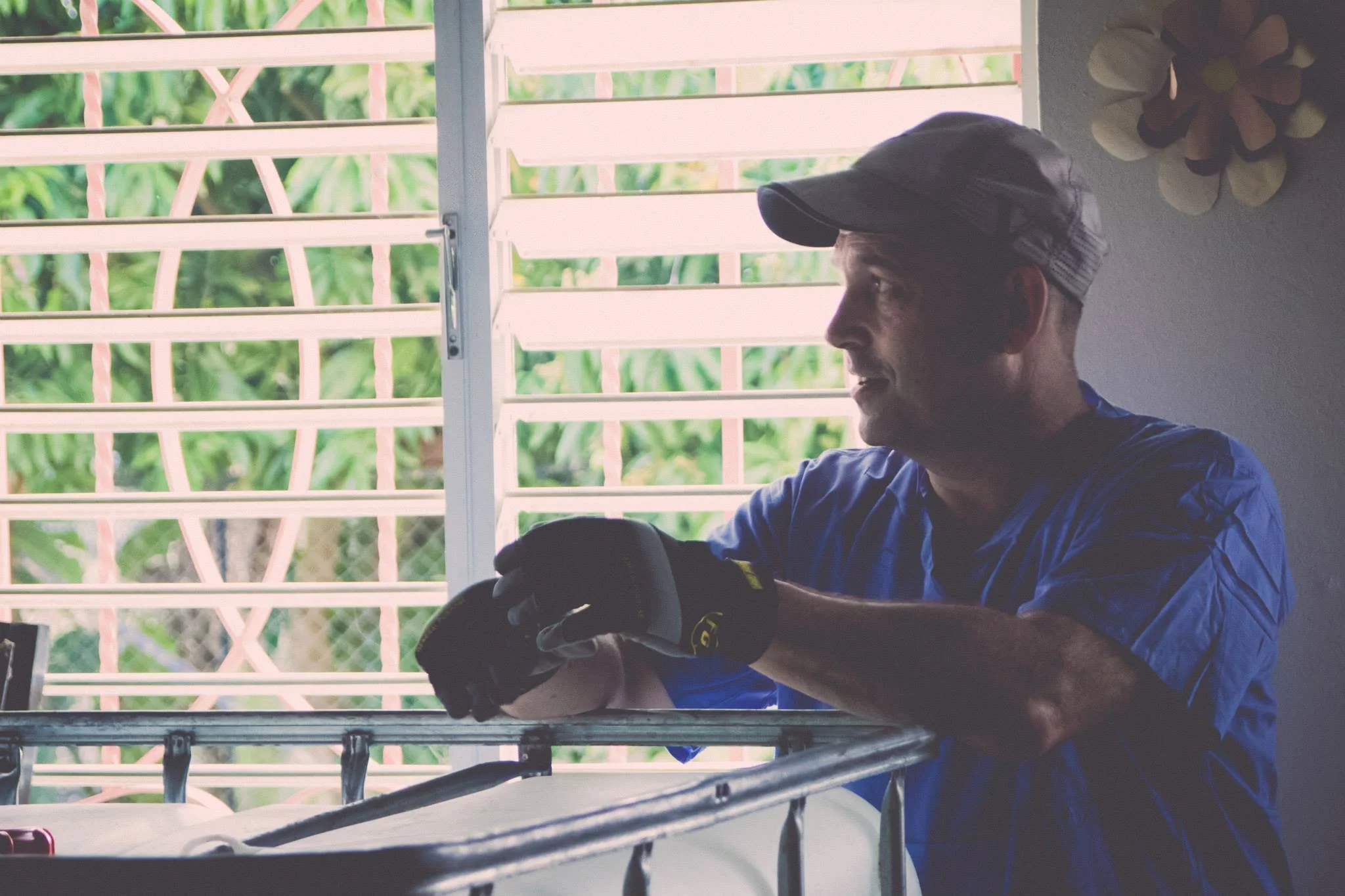
It was the first time I owned an aperture below f/3.5.
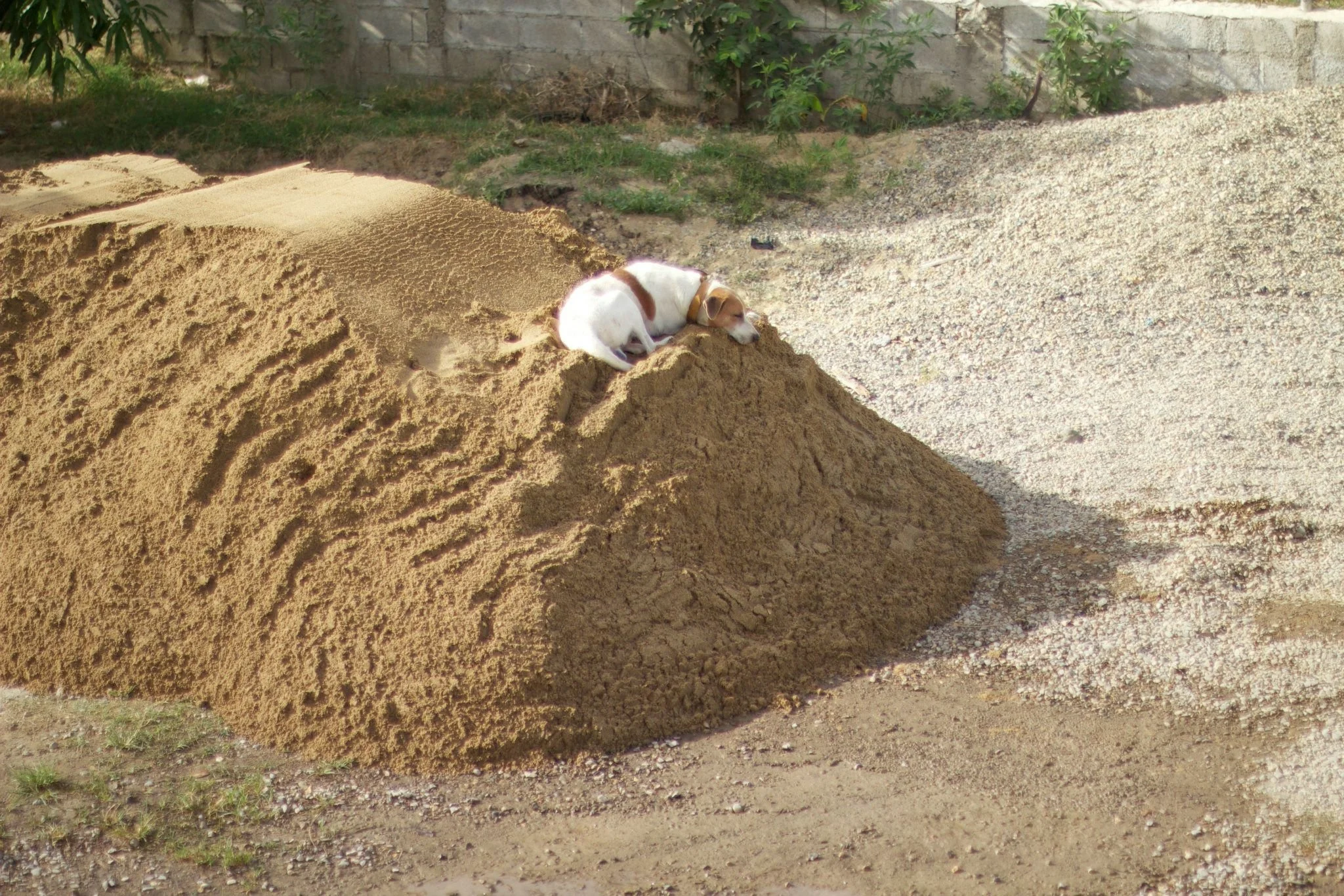
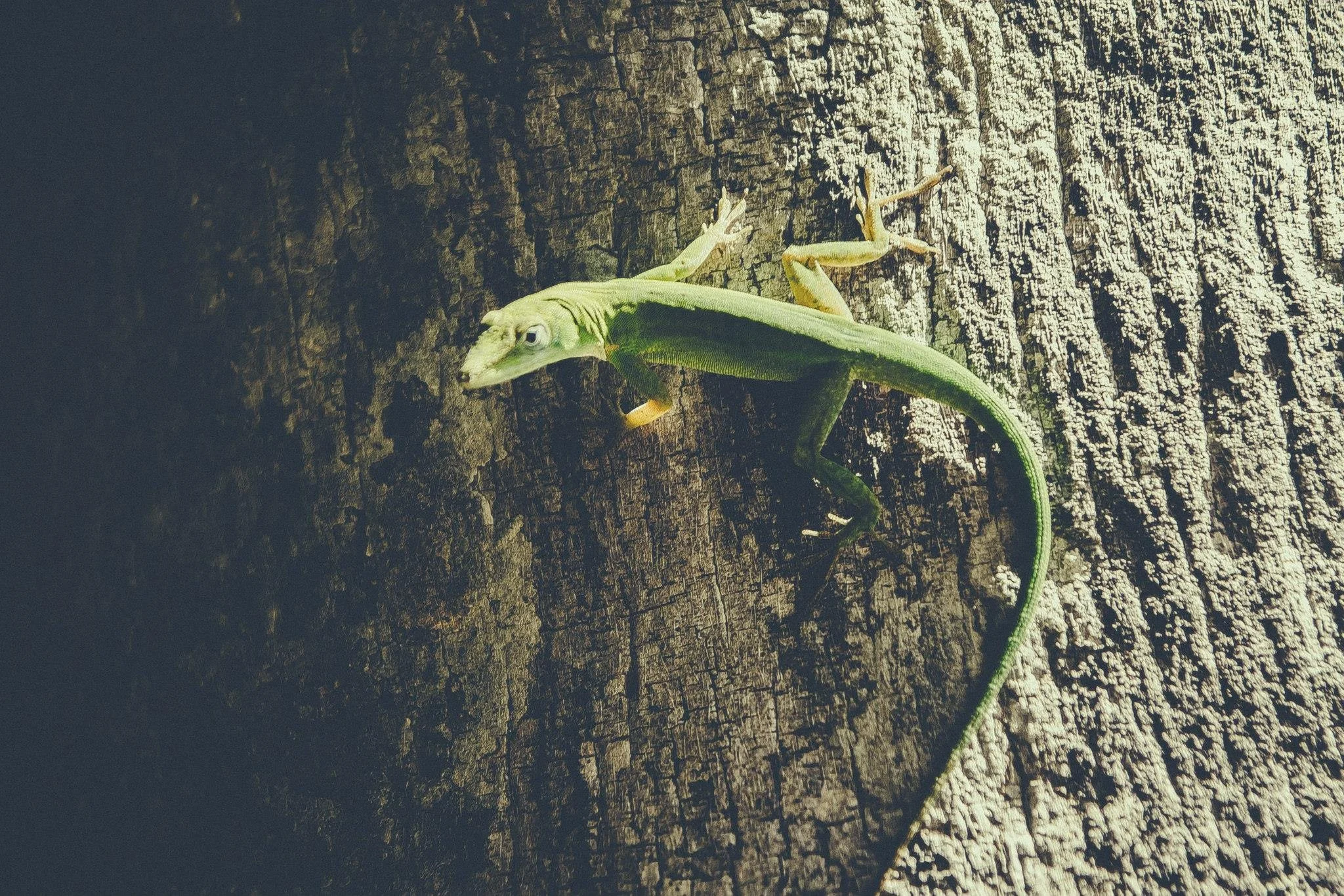
I bought the nifty-fifty 50mm f/1.8, and everything — literally everything — was shot wide open, no hesitation.
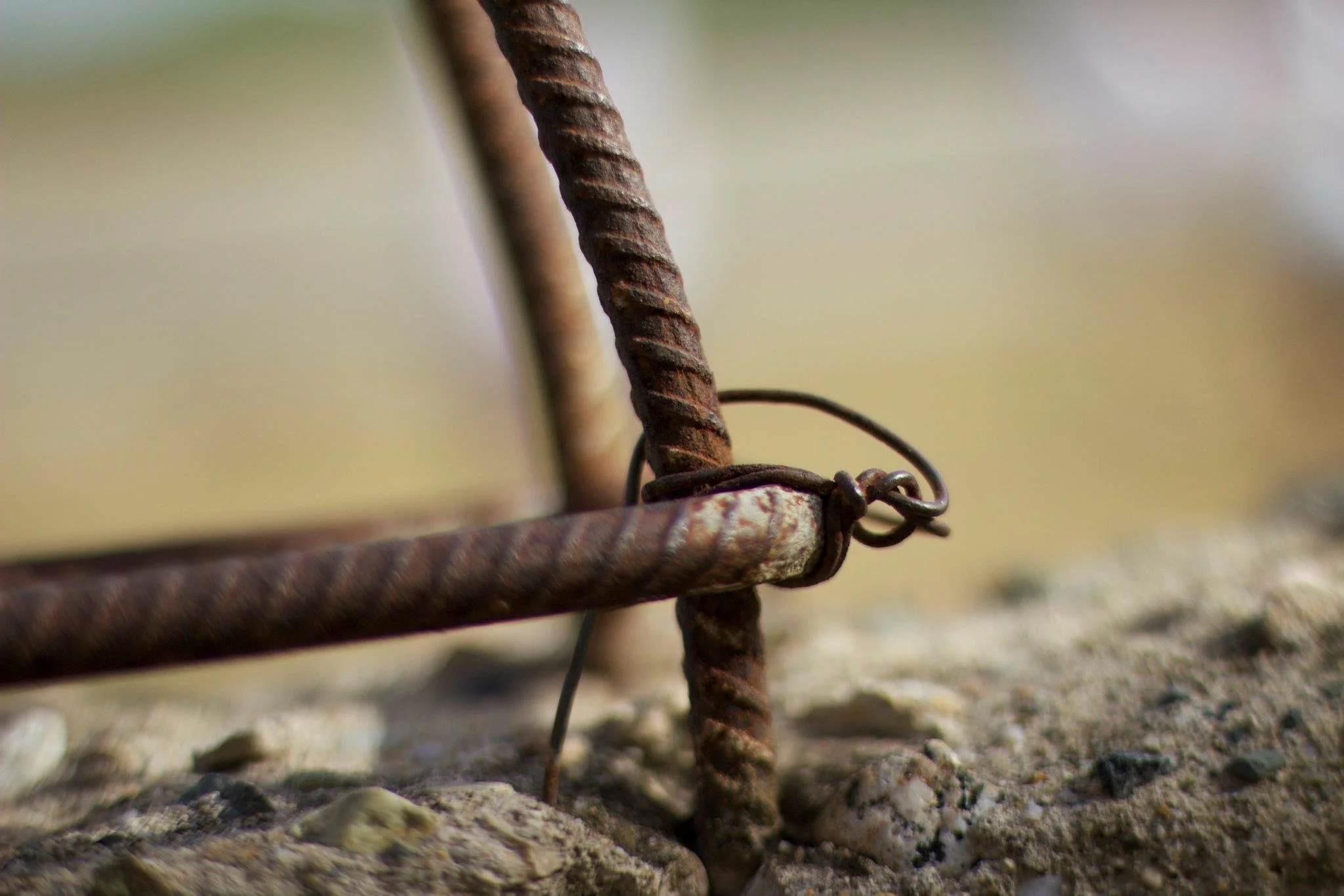
Rebar ties in construction work? f/1.8.
A dog sleeping in dirt? f/1.8.
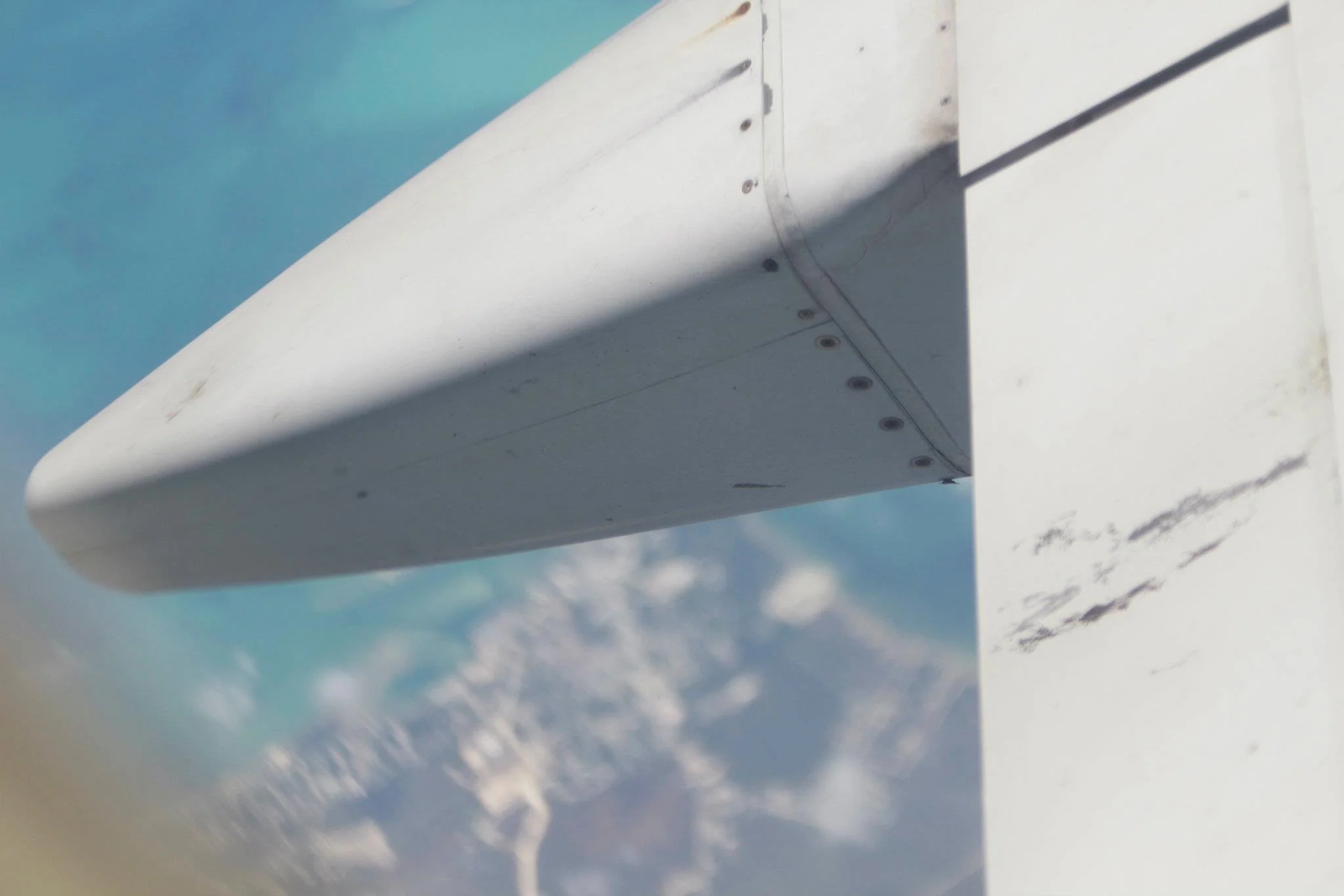
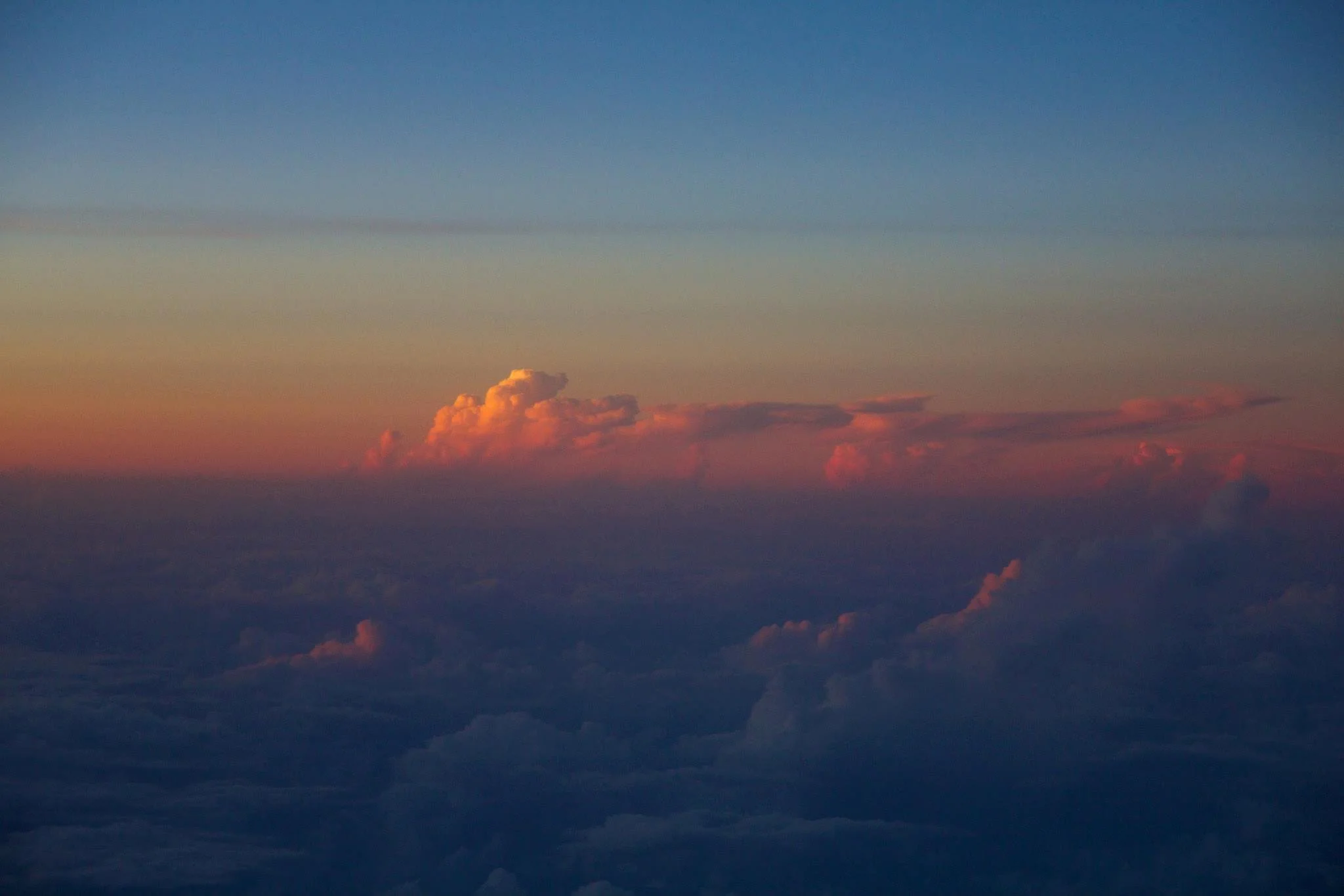
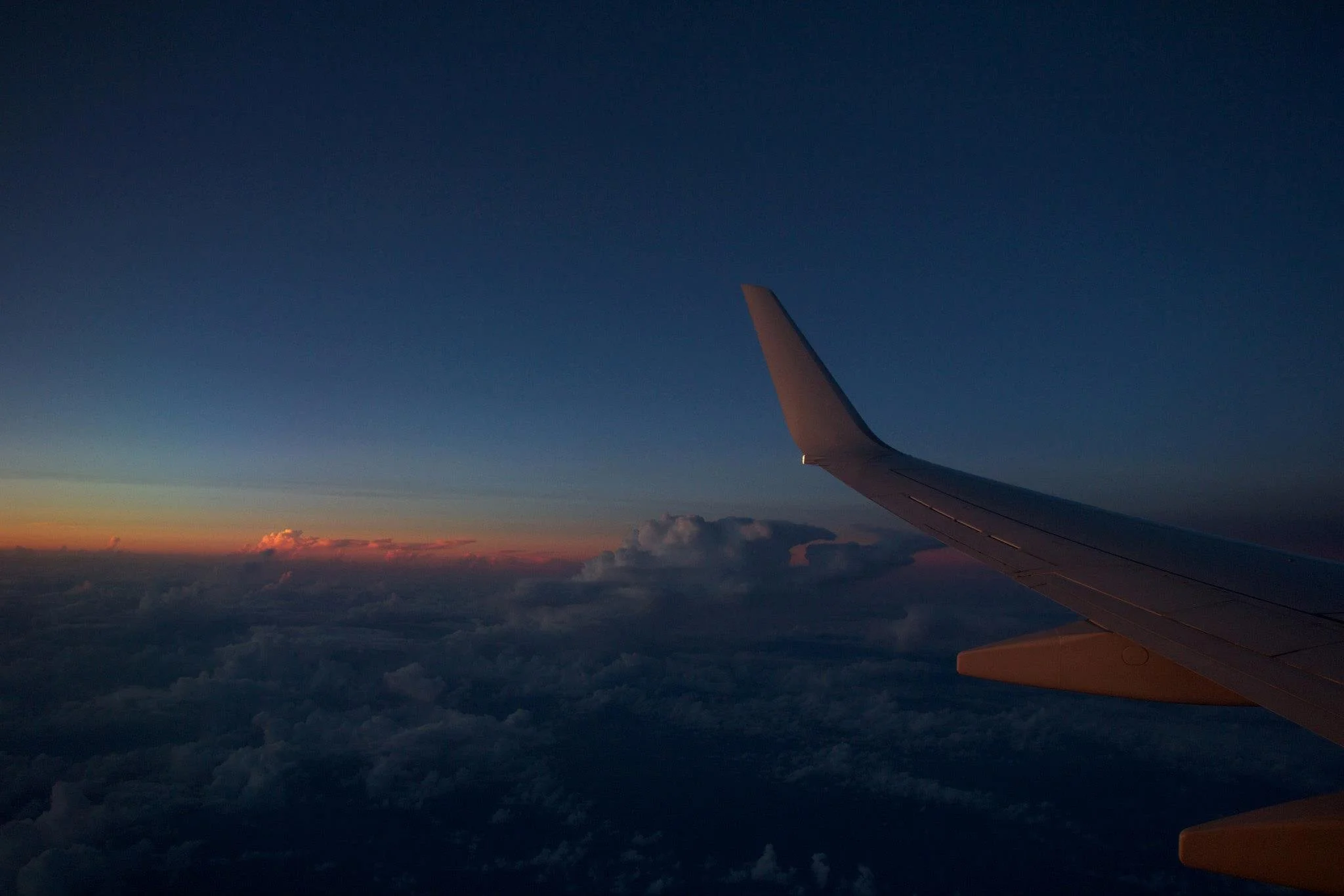
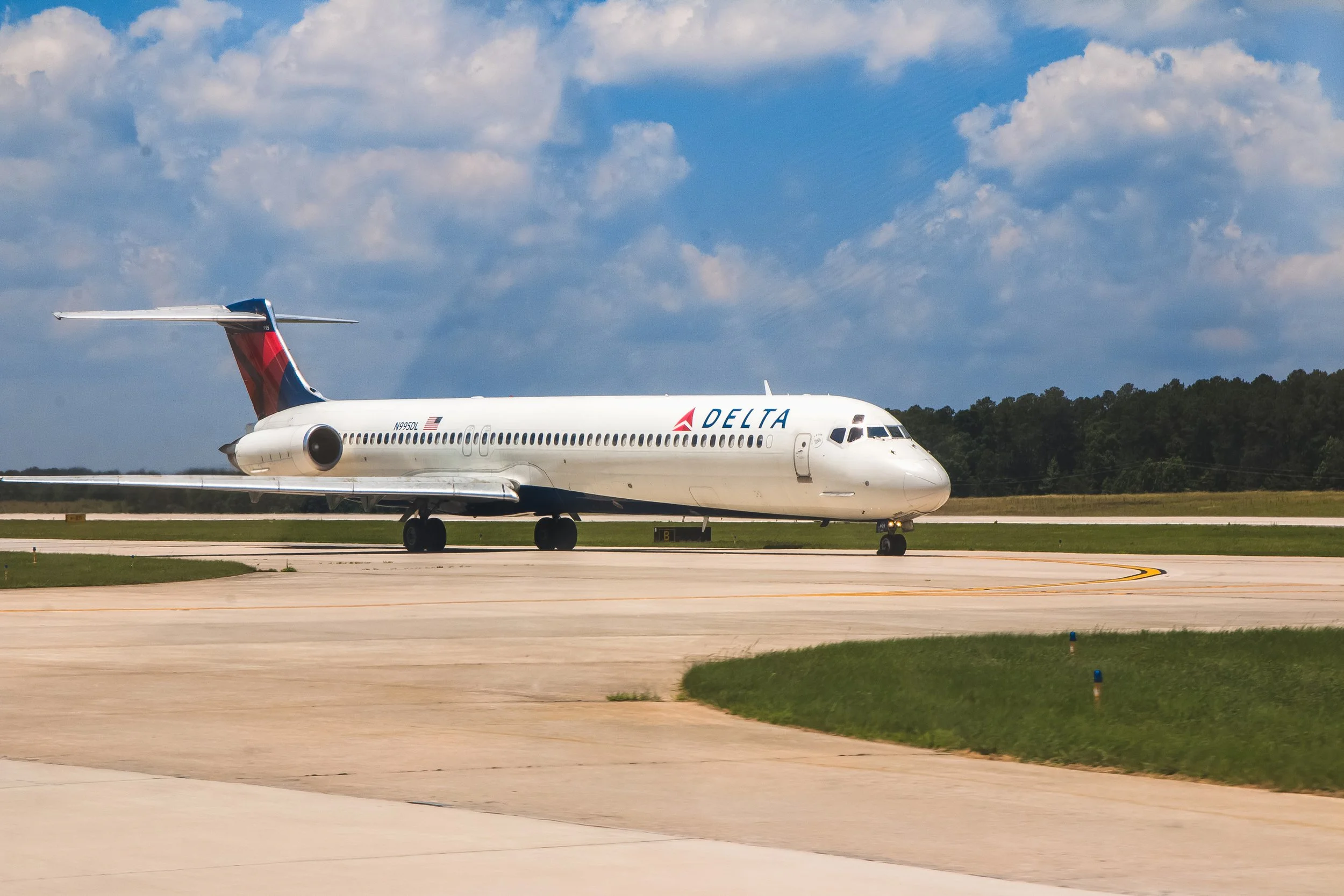
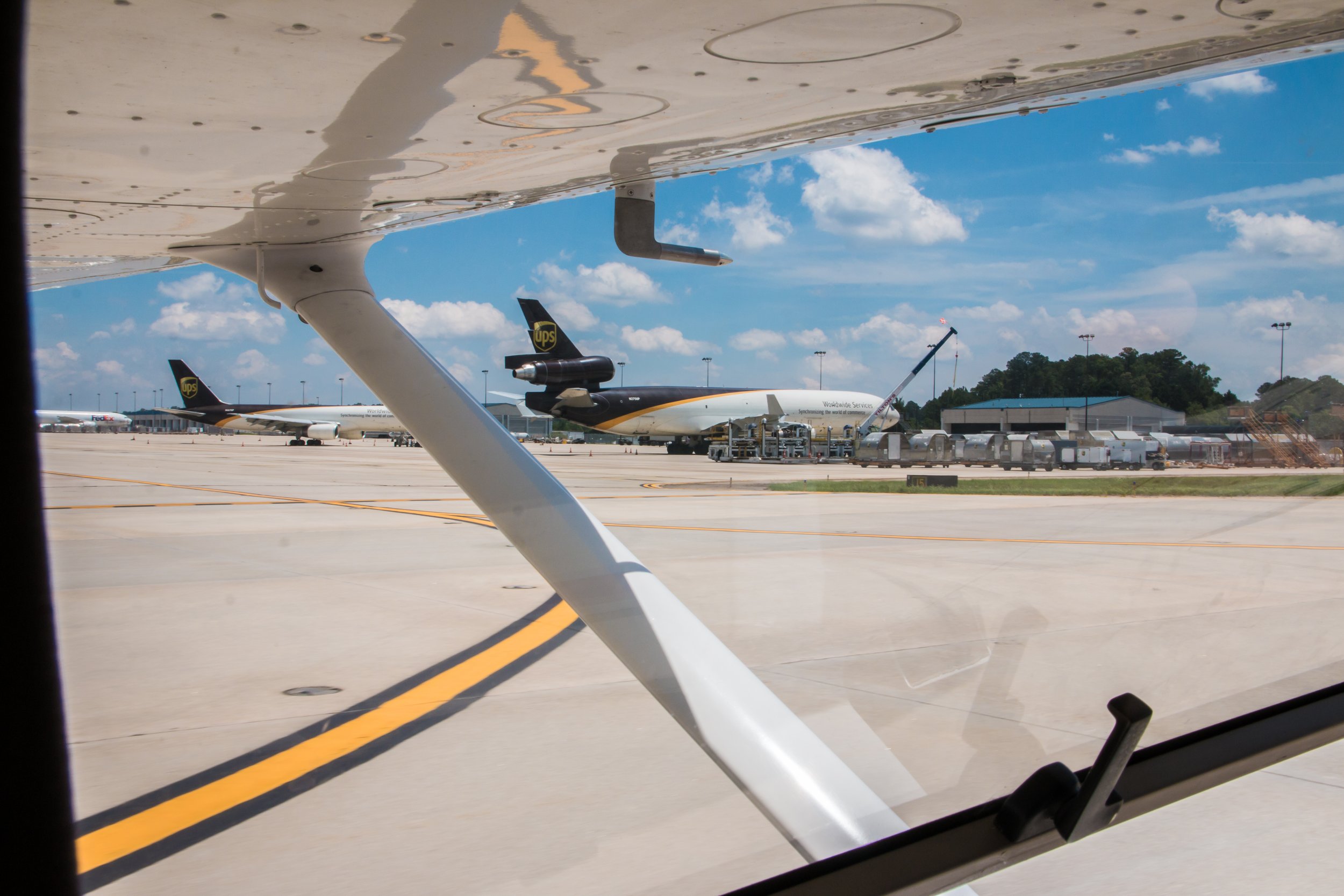
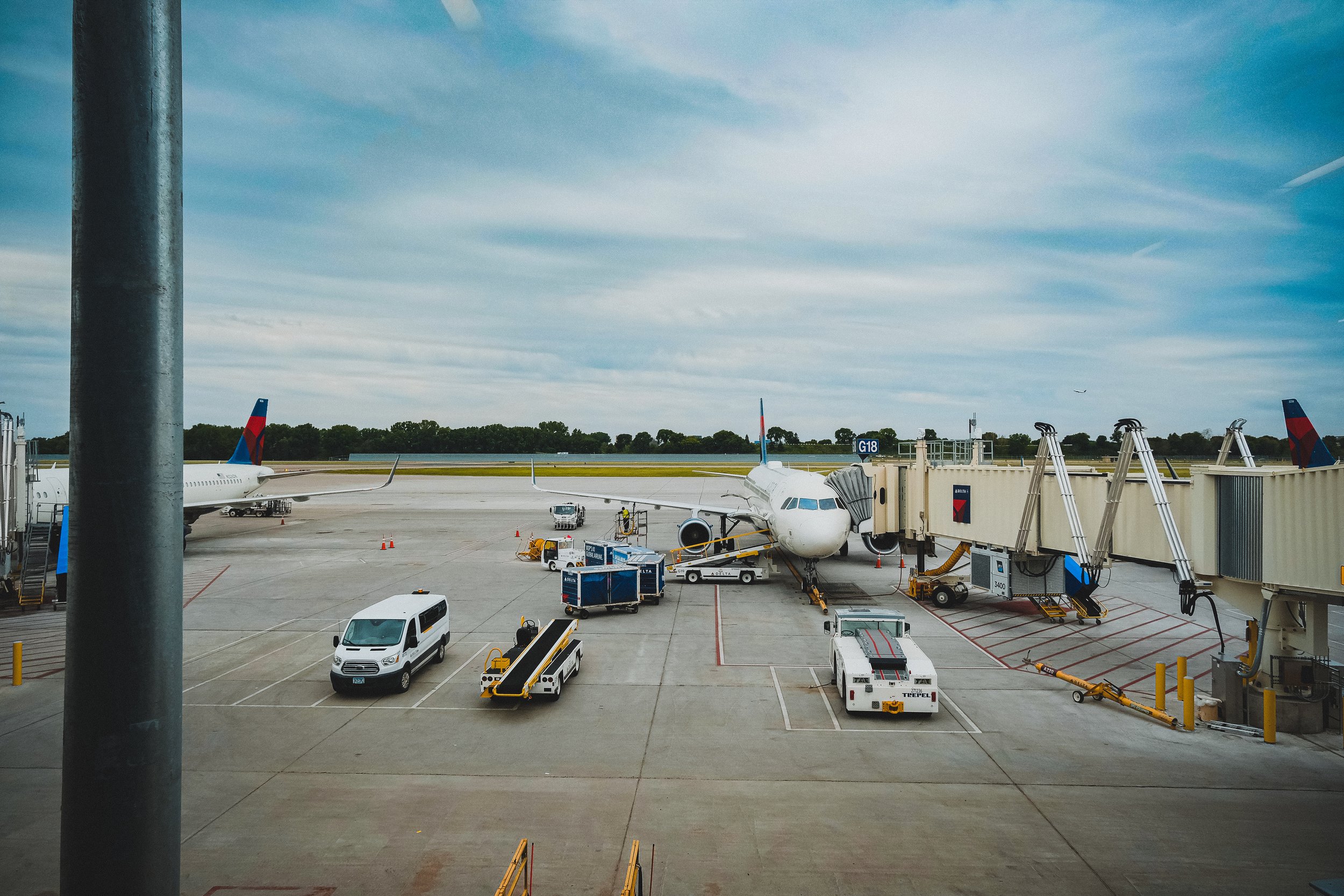
Airplane parts through a clouded window? f/1.8.
People, buildings, chickens, shadows, no matter what — that aperture ring did not move.
I didn’t understand depth of field or storytelling yet — I just knew blurry looked magical. Something new had been unlocked in my brain and I couldn’t turn it off. Were the majority of these photos out of focus, and only a select few ever saw the light of day? Yes, of course! But when you shoot digital, you can just shoot more and more and more photos, and no one is ever the wiser.
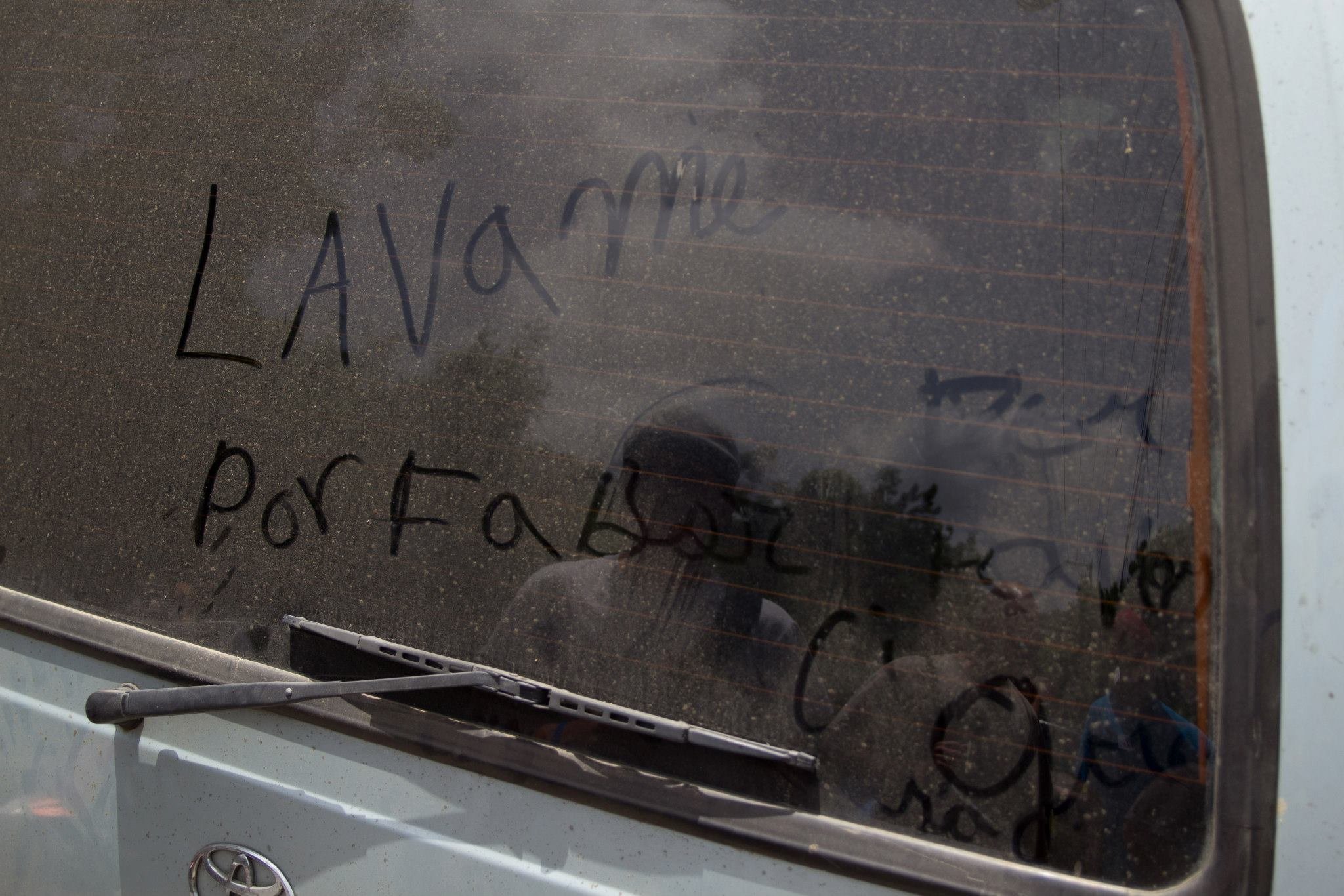
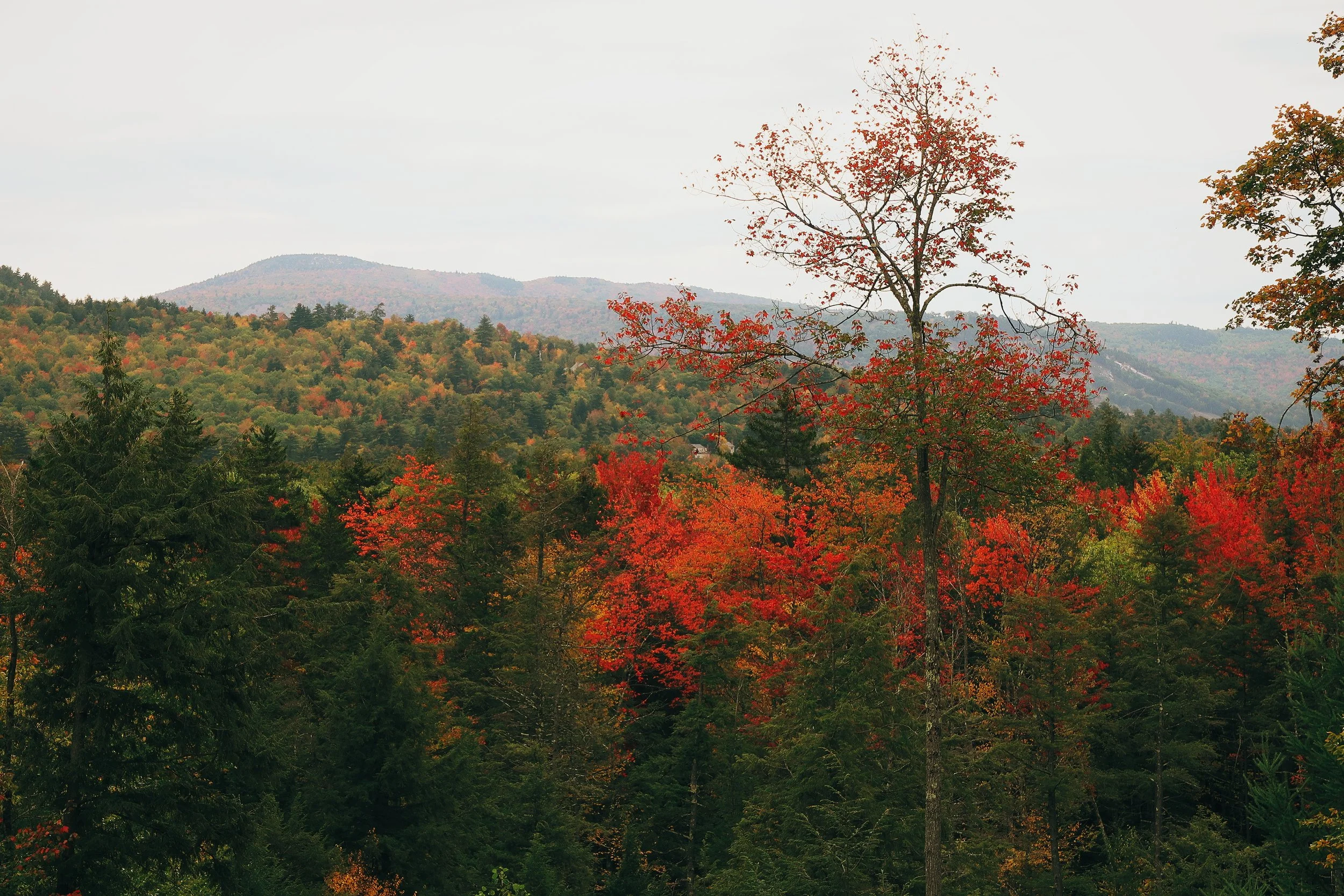
The colors were crunchy. Edits dramatic. Grain heavy (even though the sensor was pristine now that I had abandoned the Sony). But within the chaos, I can see the early seeds of my voice. The beginnings of mood. Film influence sneaking in. Nostalgia showing up before I had language for it.
The Drift & The Return
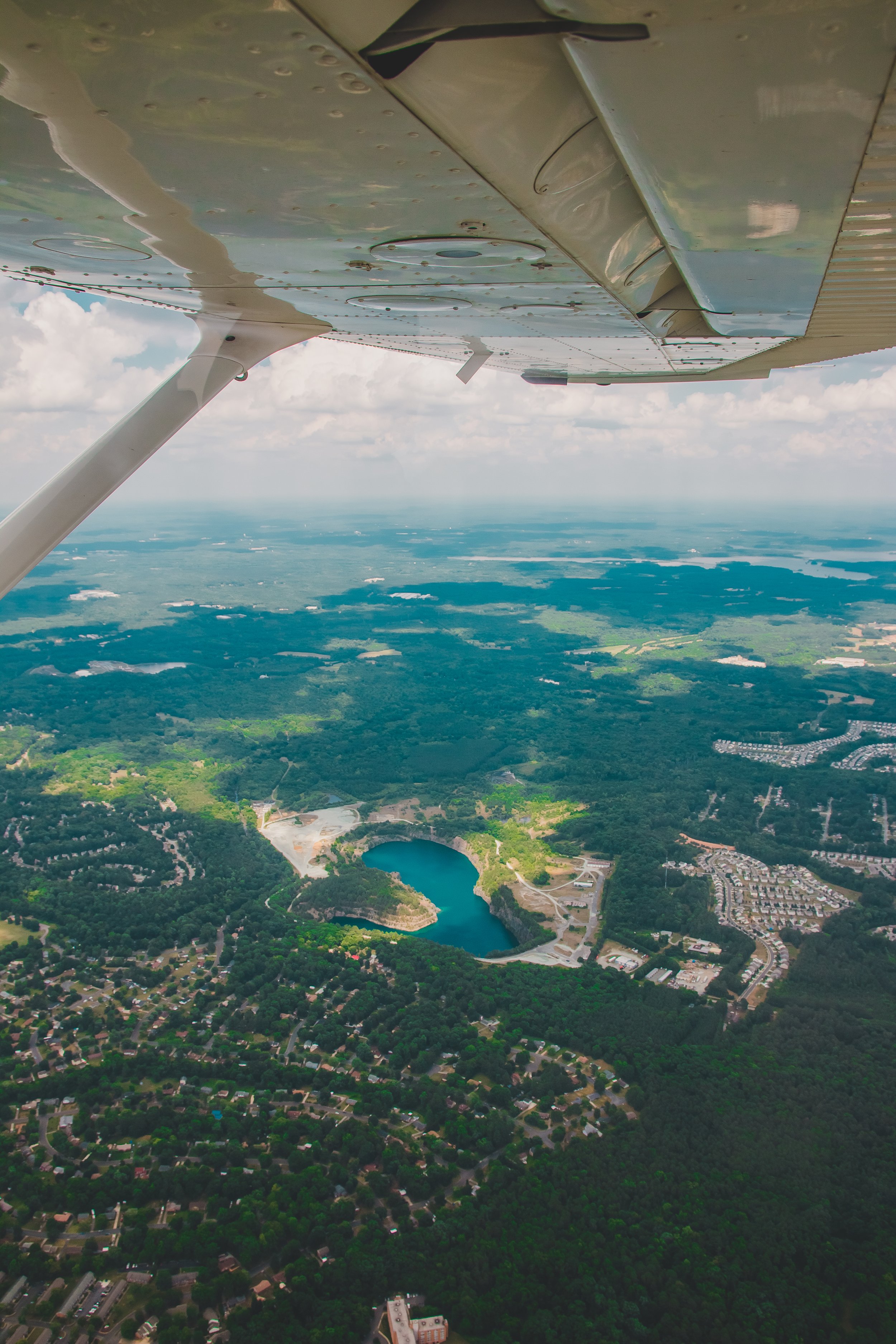
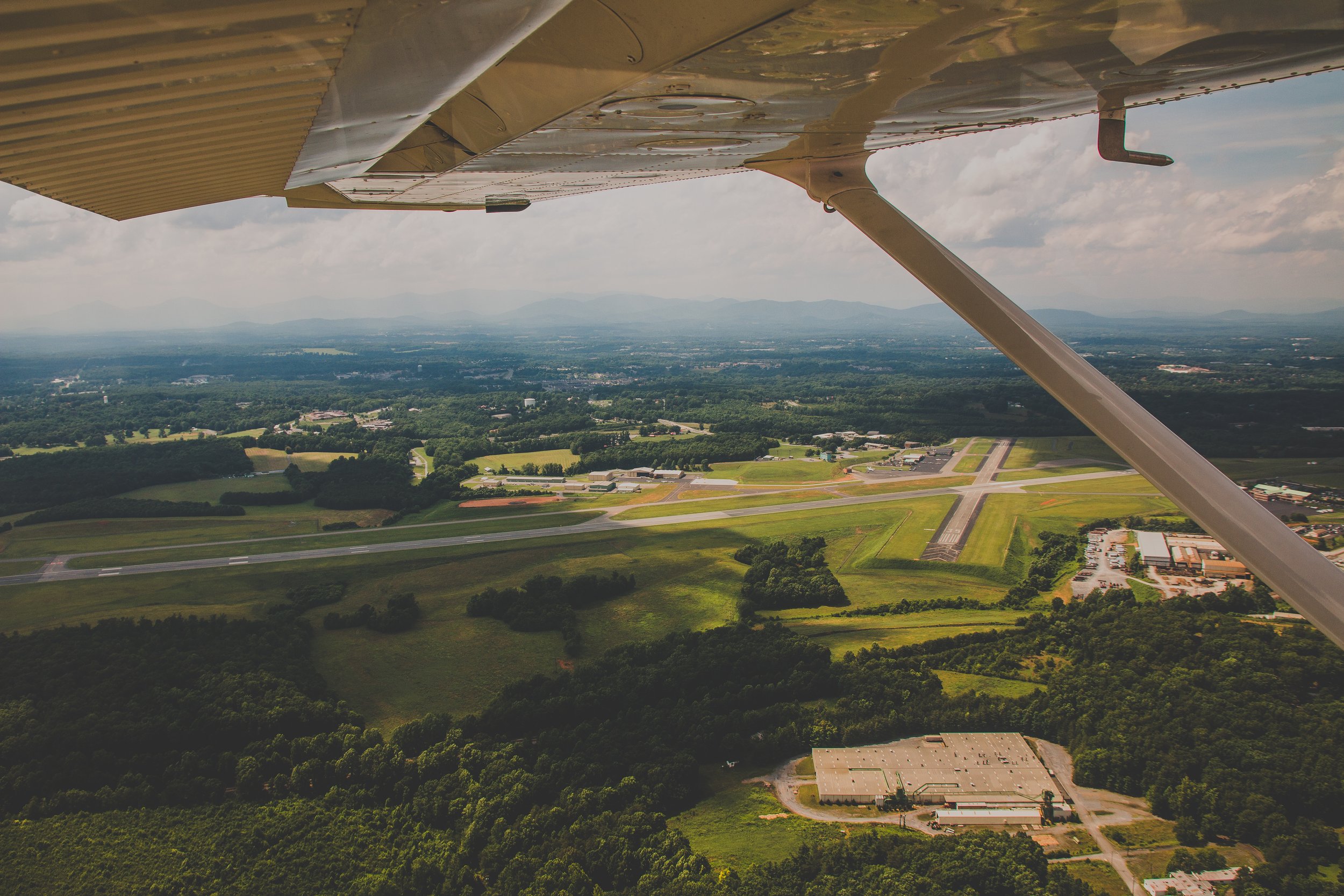
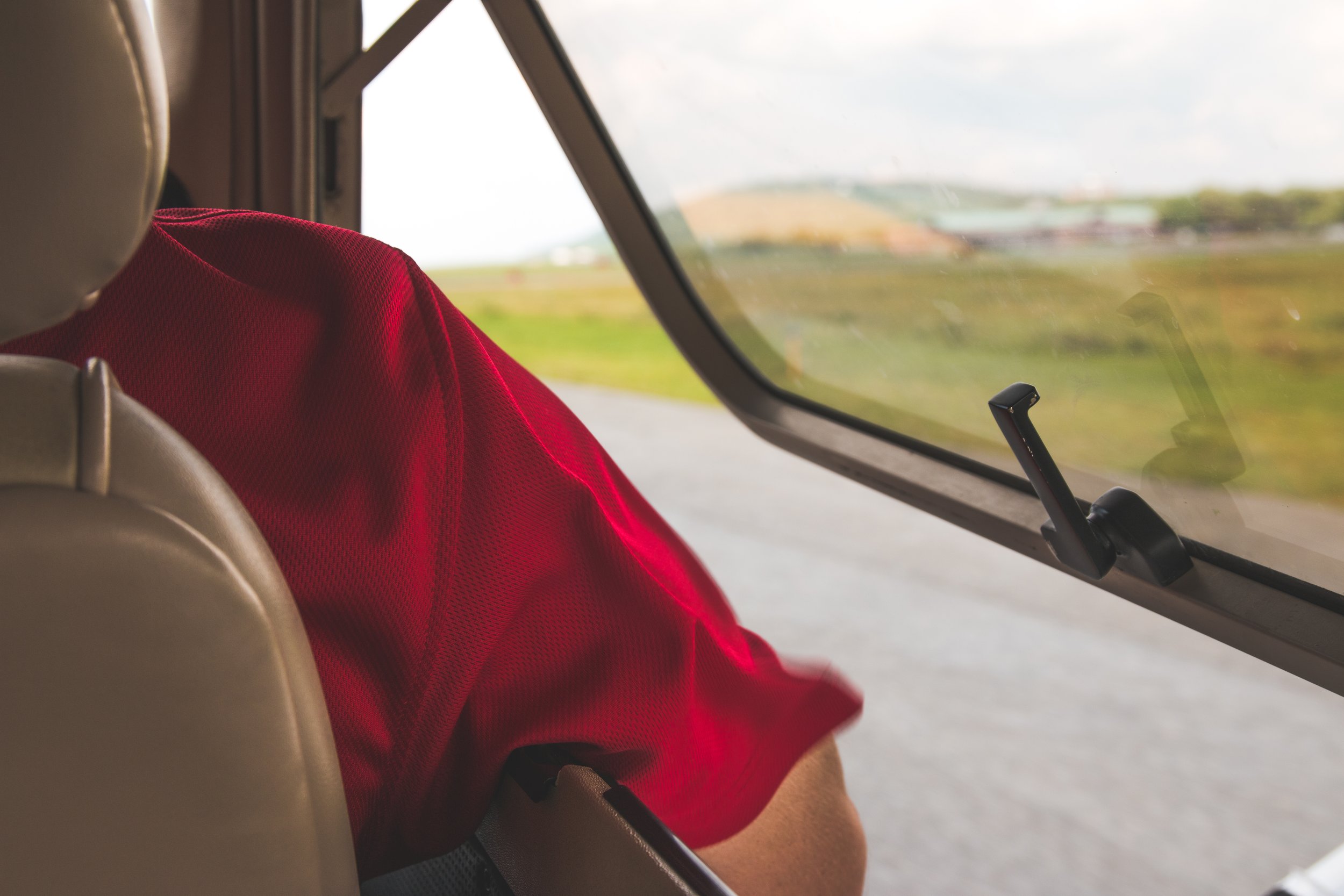
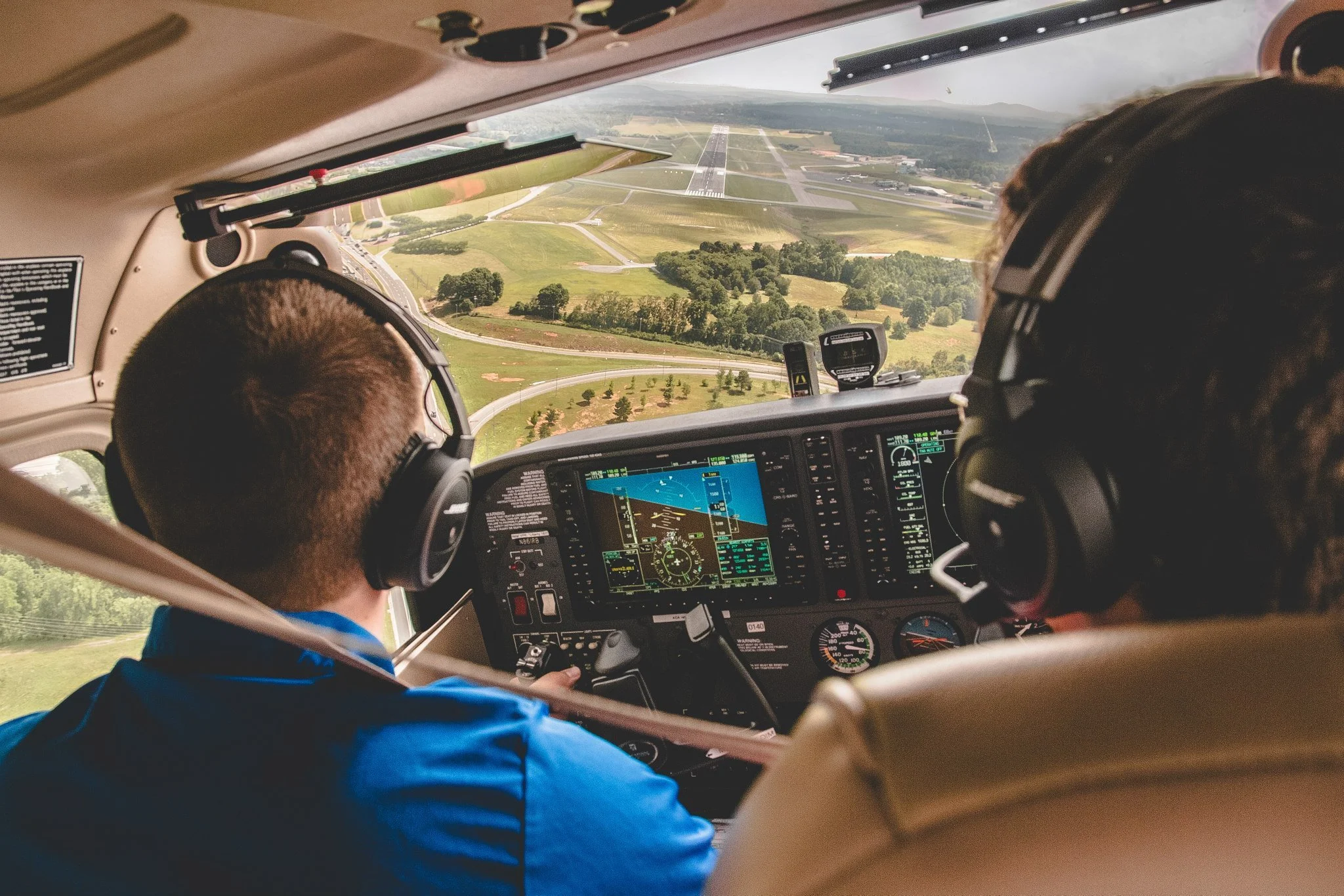
Then… college happened. Hobbies fell like dominos. I wanted to finish flight school fast, so my guitar gathered dust and the camera lived in a drawer more than in my hands. Photography never disappeared, but it drifted.
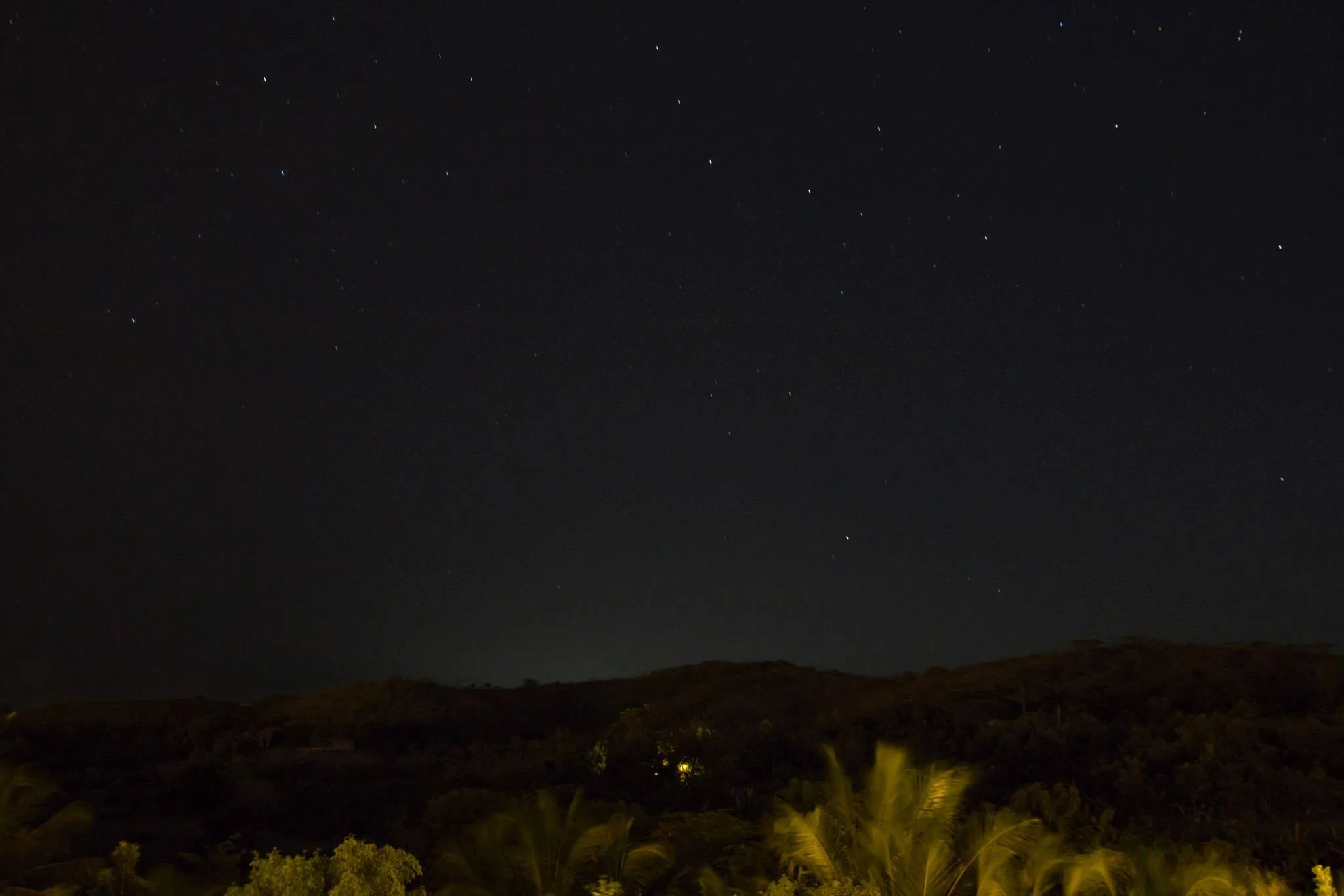
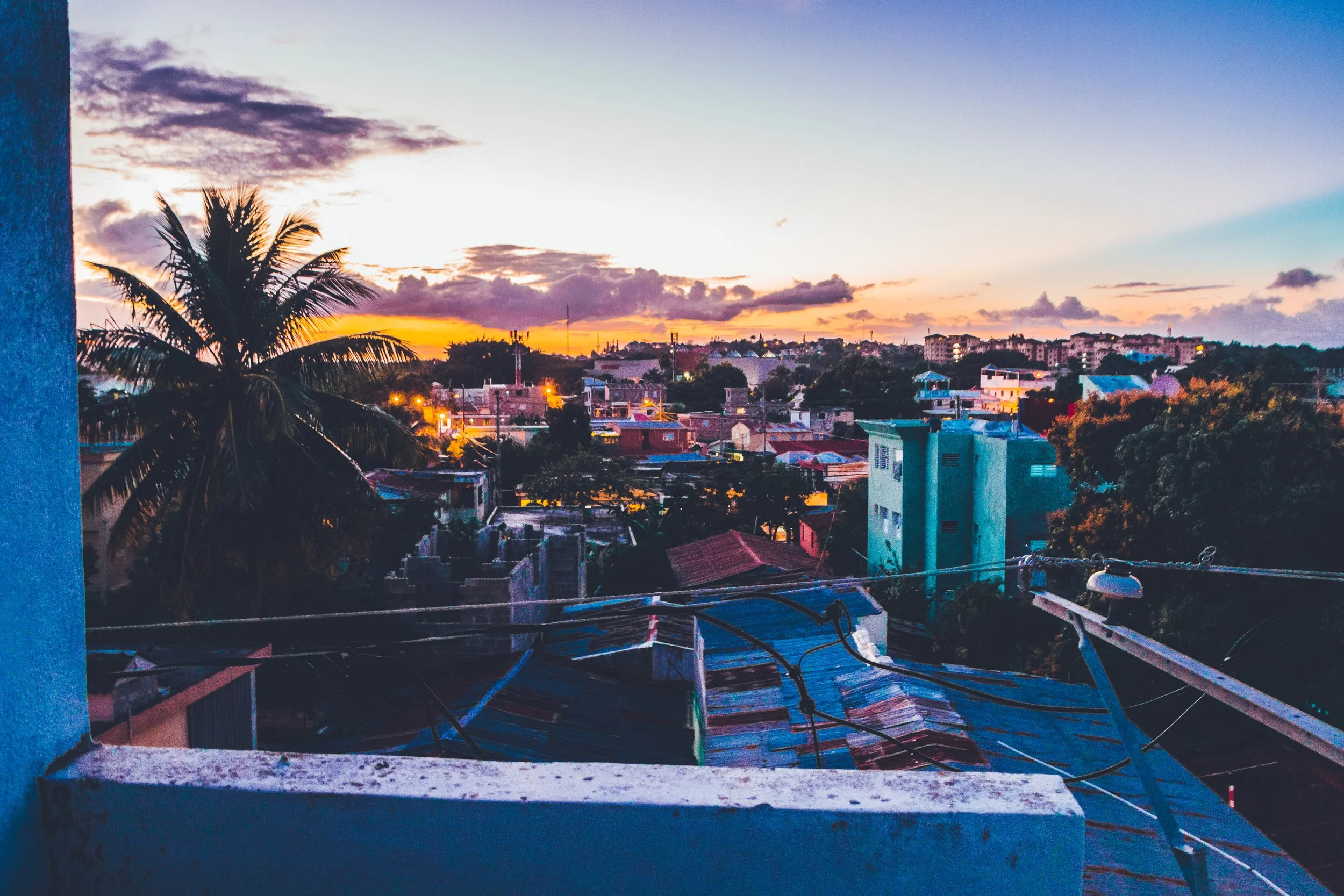
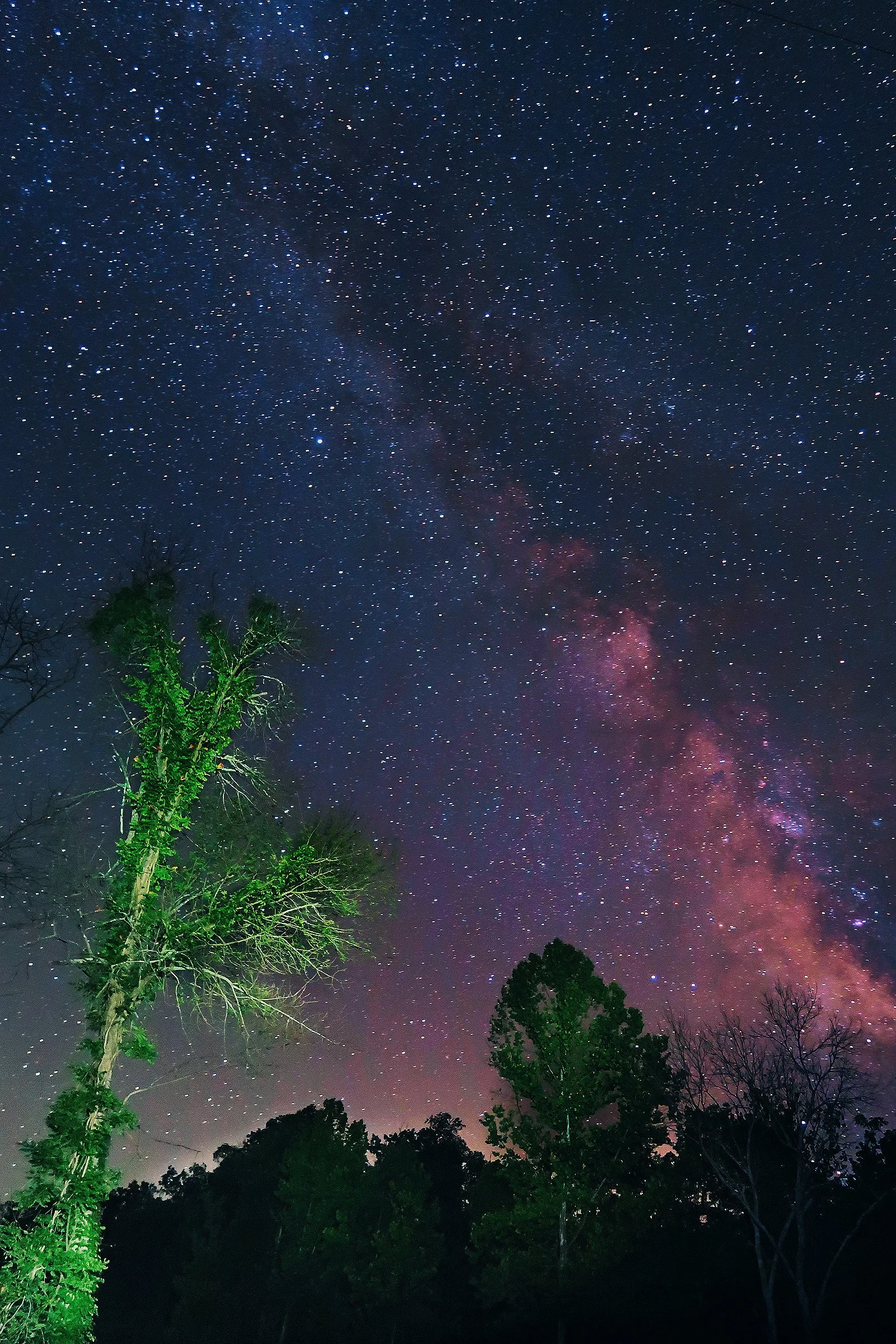
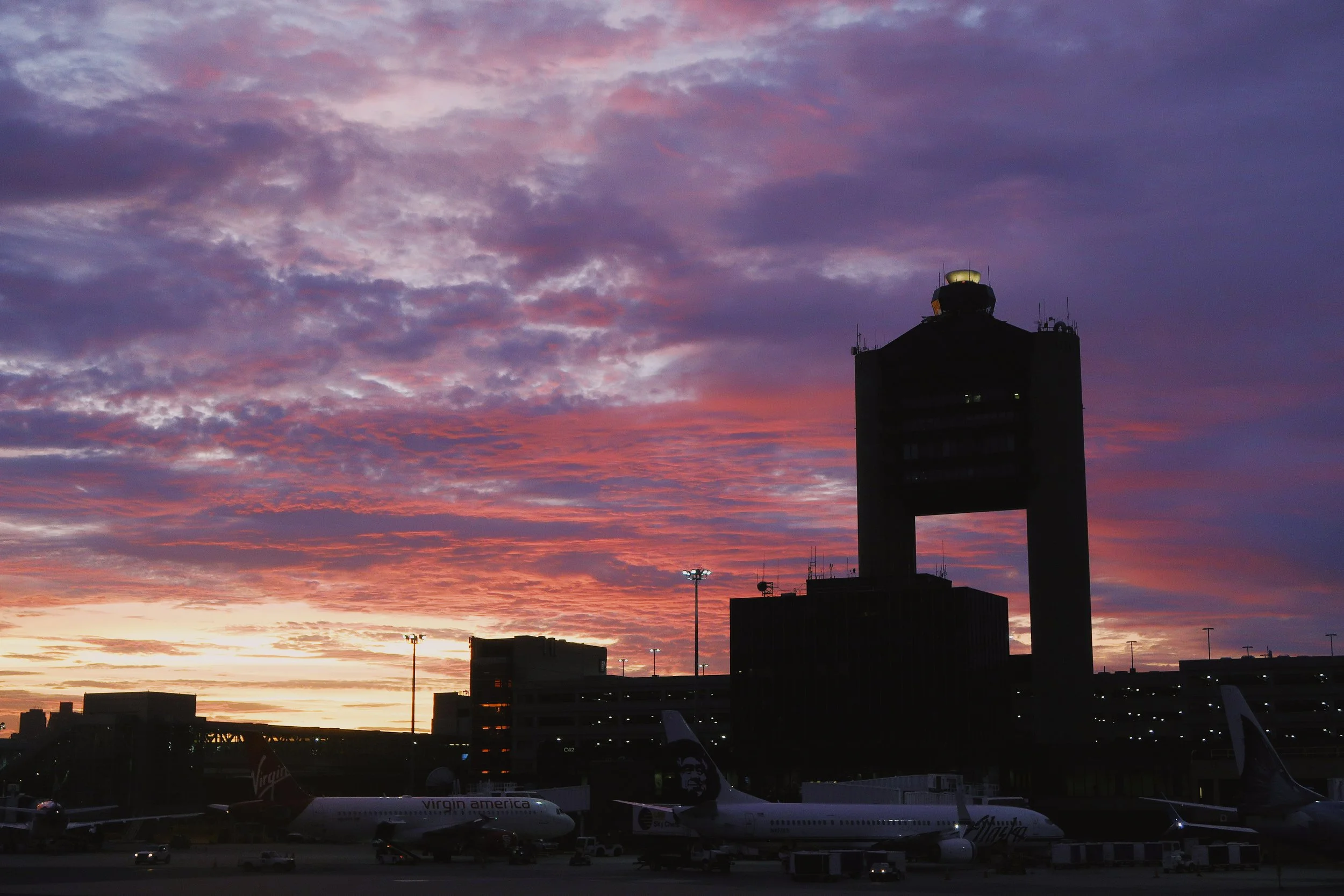
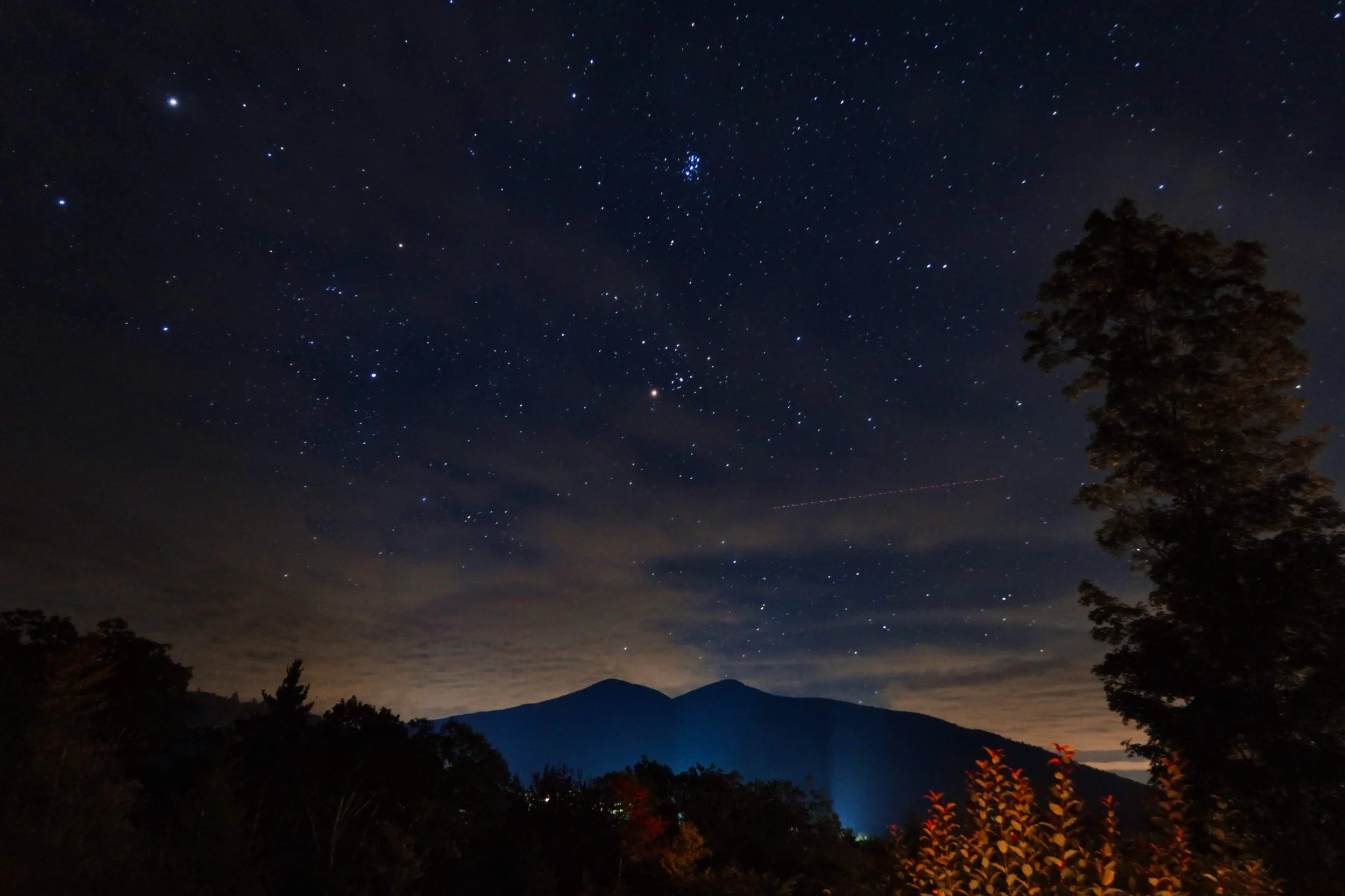
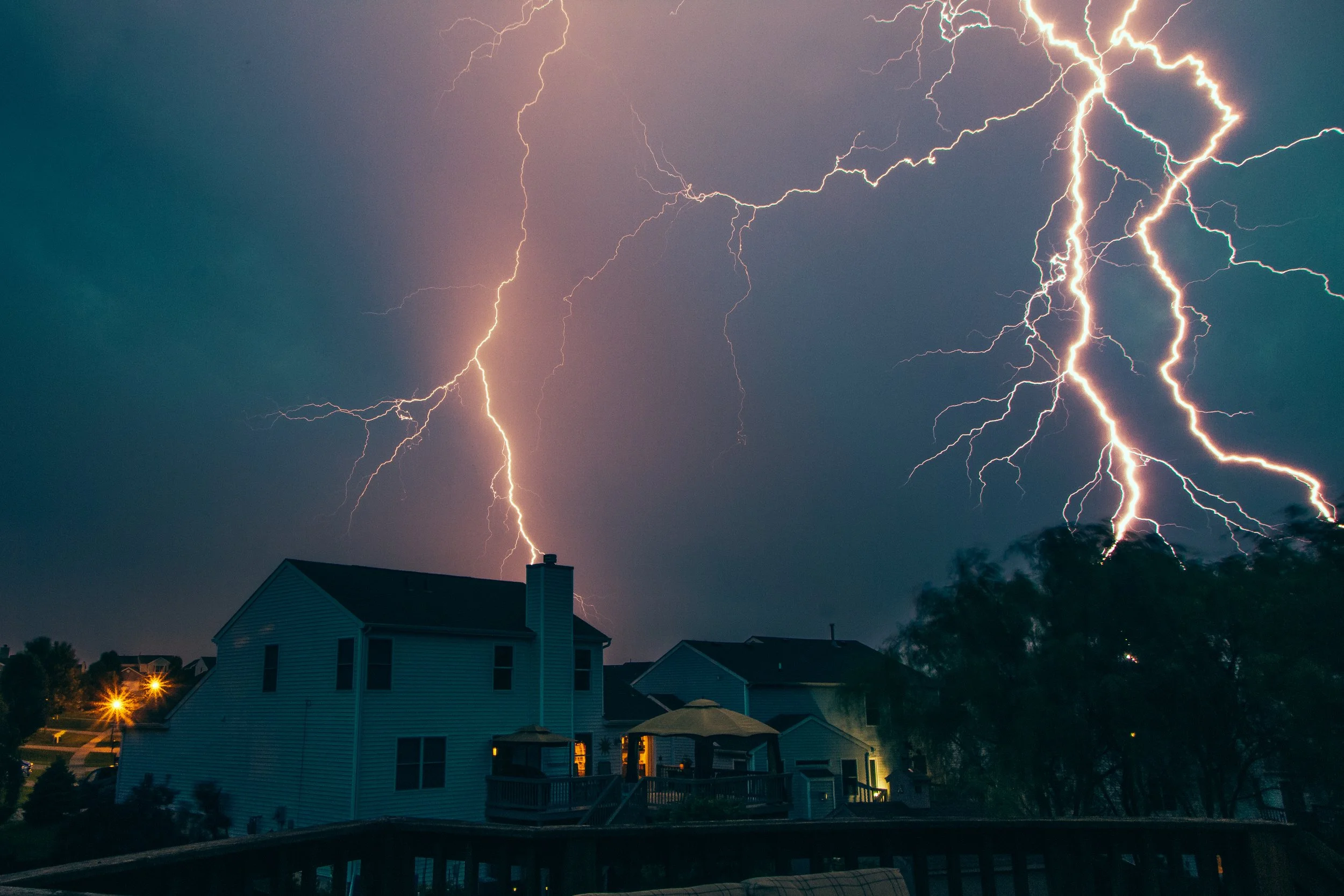
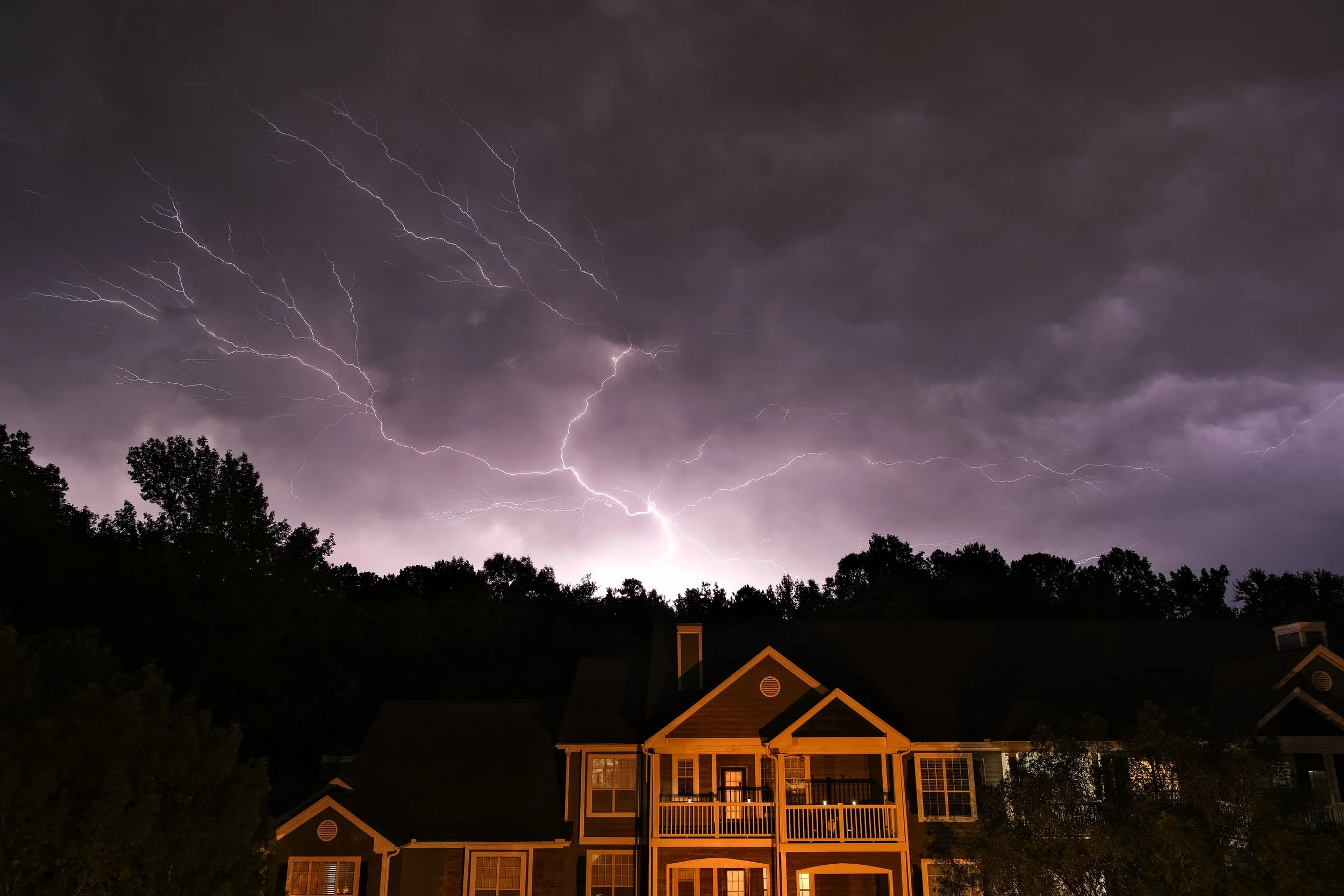
Still, when I did shoot, I leaned further into filmic aesthetics—pastel tones, deep shadows, colors that felt nostalgic. Mostly moving the color blue towards teal and calling it a day. Sometimes I’d try astrophotography or chasing storms, standing outside like a madman waiting for lightning. Those images mean something to me now, even the bad ones.
Life changed. Relationships. School. Work. Travel. Everything loud and demanding my immediate attention (attention I couldn’t give to photo and video…)
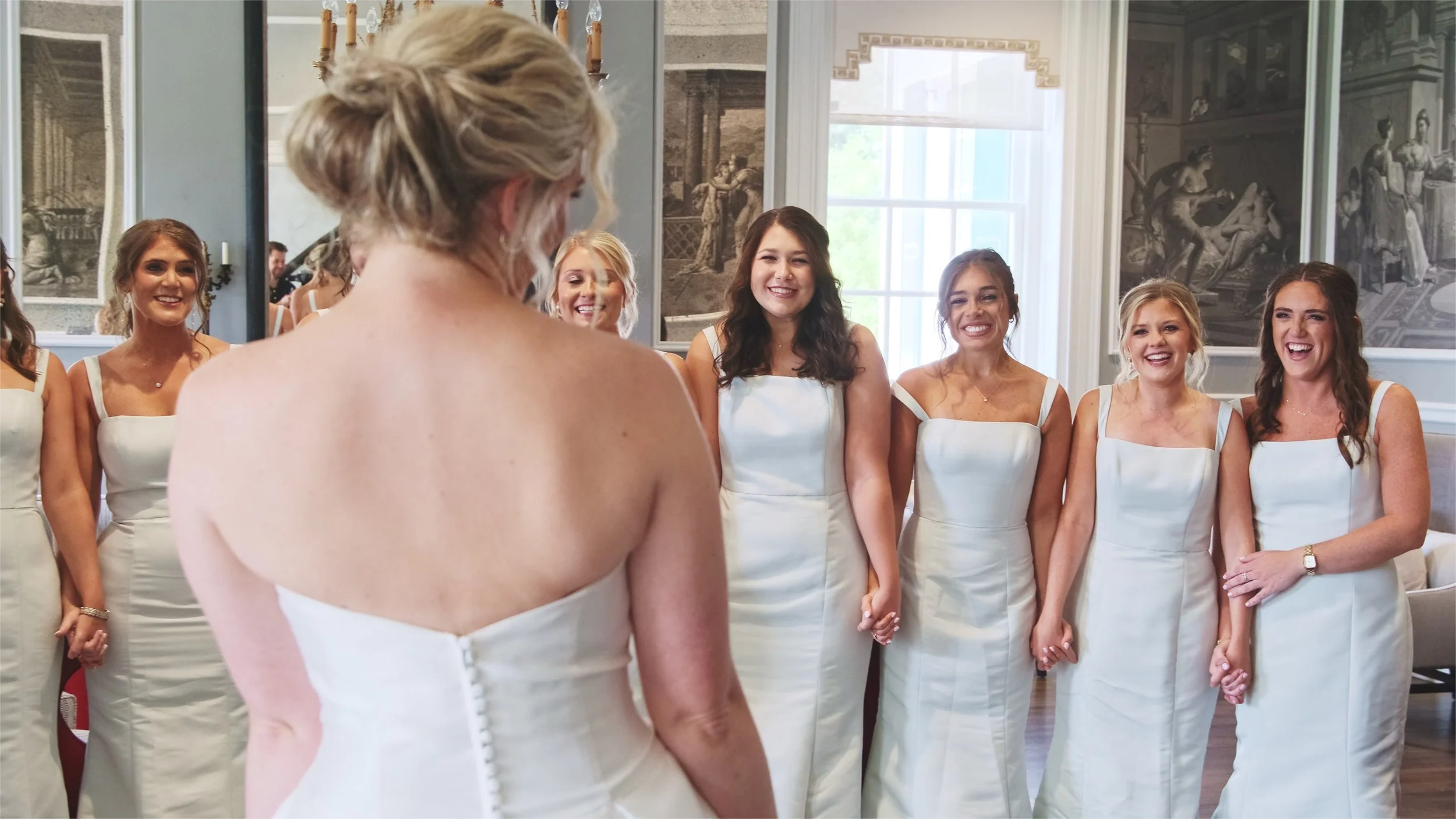
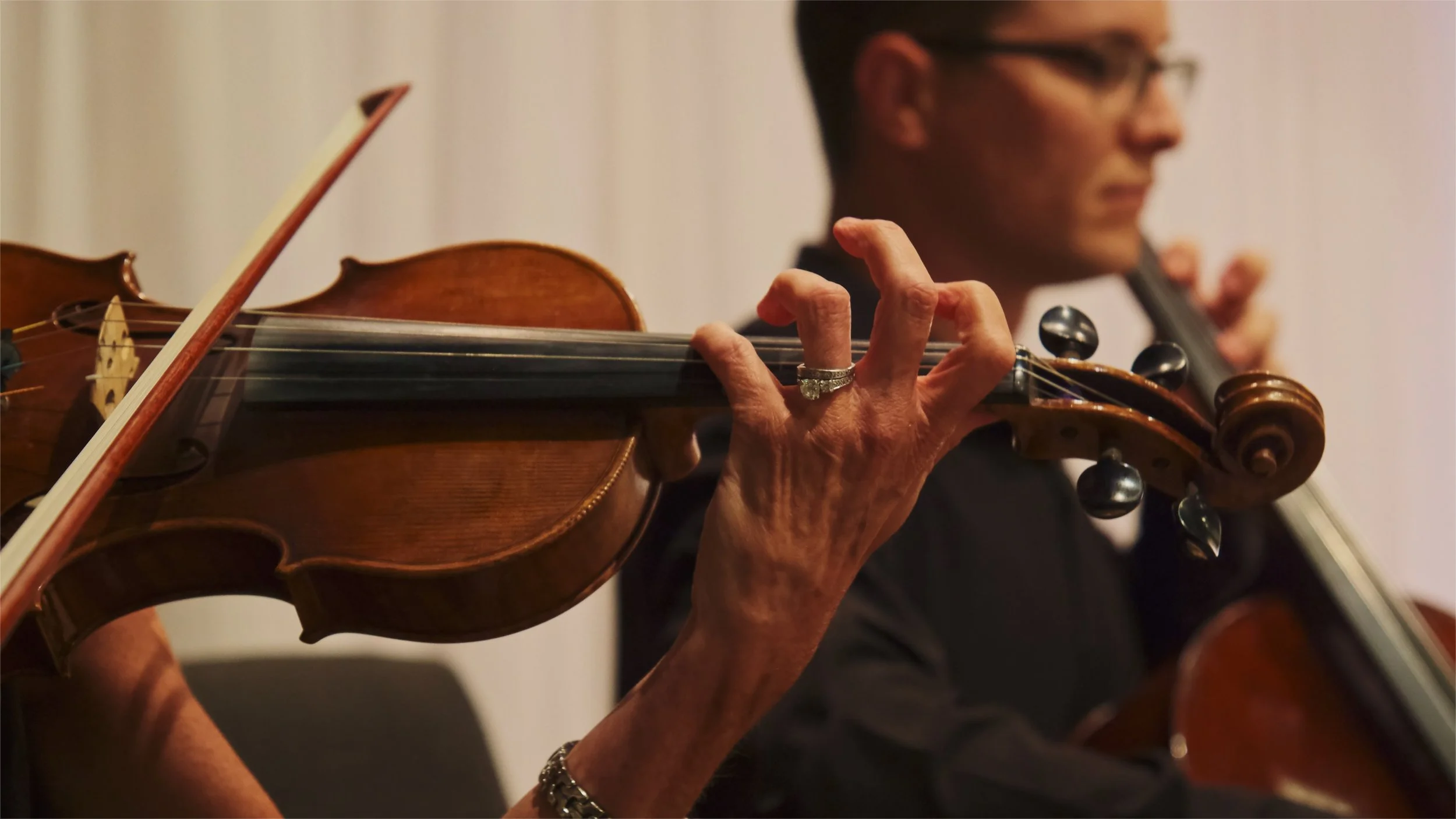
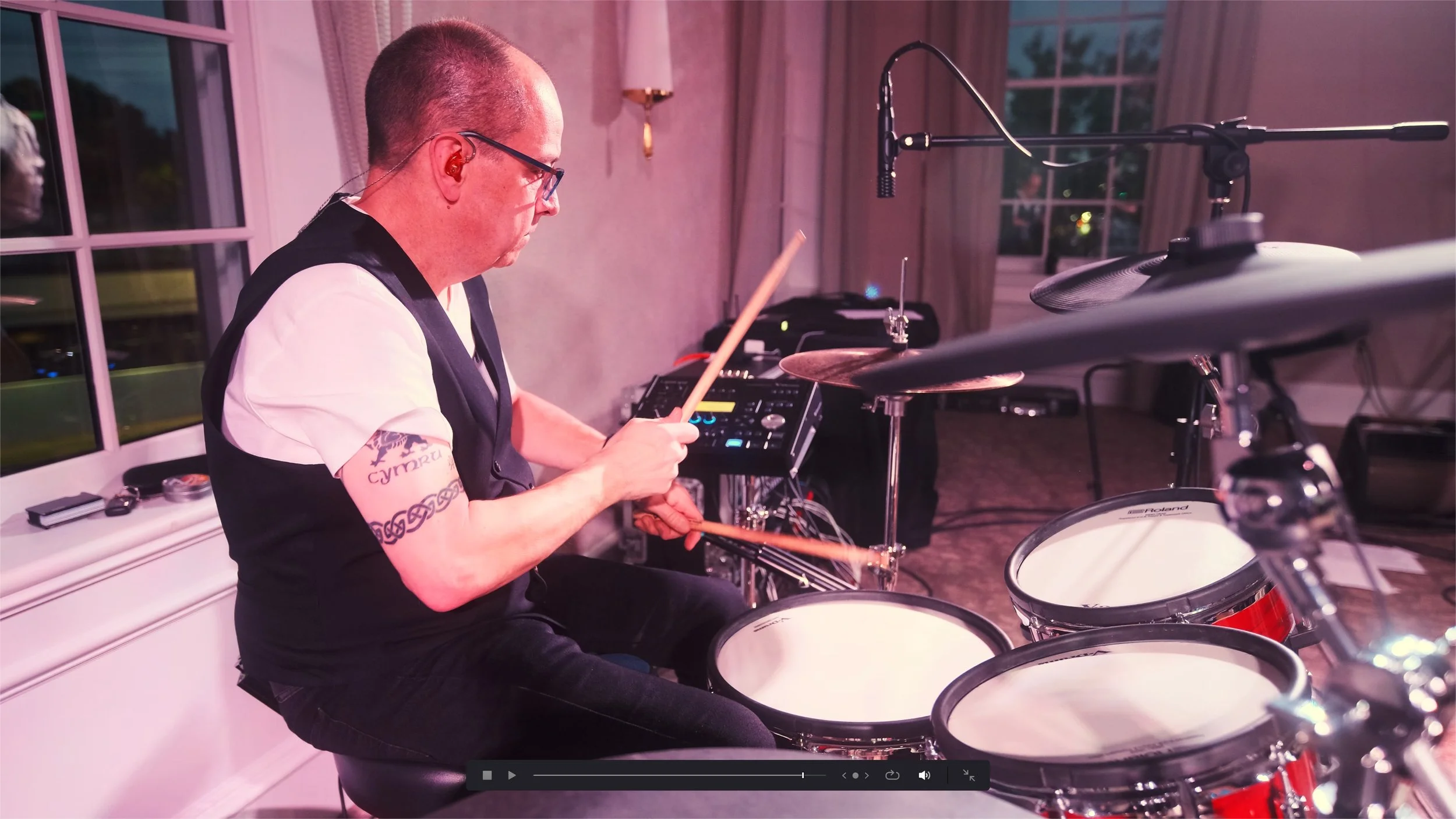
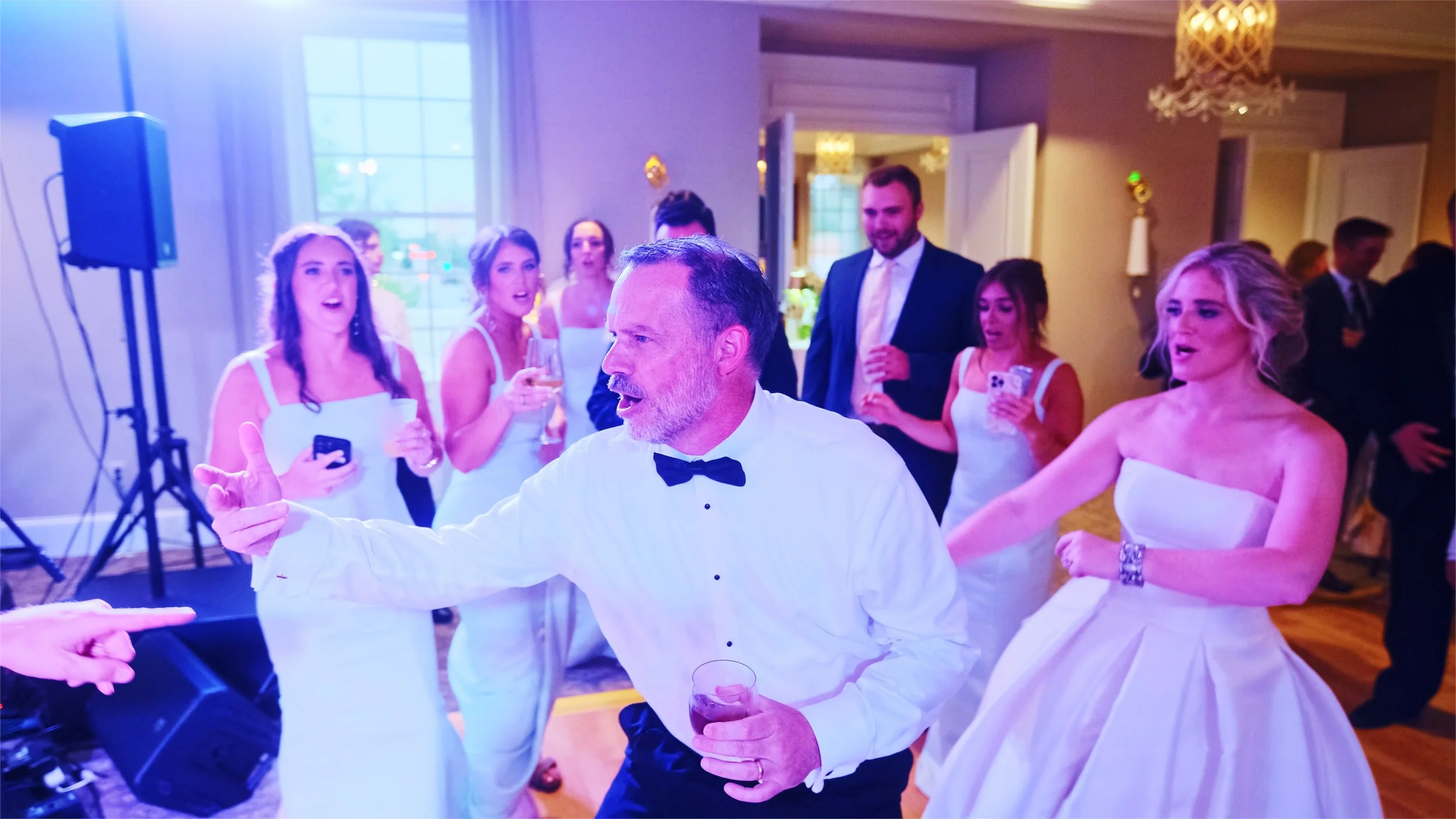
It wasn’t until 2018 that the spark came roaring back. I shot weddings. I shot video. I remembered why I ever picked up a camera in the first place. People trusted me with vows and tears and the once-in-a-lifetime moments that only a shutter can preserve. 2019 was the year it started feeling real — like this could be more than a hobby.

Then came adulthood with a capital A. Bills. Salaries. Corporate life. I moved into software sales and marketing because creativity doesn't always pay rent on time. But every spare moment, I found myself drifting back to photography like gravity. Family events, small weddings, random shoots because I just… missed it. I shot weddings for friends. I remembered what it felt like to freeze real moments — nervous hands, tearful vows, the laughter that only happens once.
Creativity never stopped tapping my shoulder like “hey, you’re supposed to be making things.” I worked with marketing agencies, eventually one specializing in wedding videos and wedding venue campaigns — which is ironic because I was helping other people grow their creative businesses while mine sat neglected. The classic expression of the cobbler’s children having no shoes.
But eventually I looked at the hard drives and thought:
“I help everyone else tell their story.
Why am I not telling mine?”
So Here We Are
I’m pulling images out of old folders like dusty journals.
Remembering who I was, who I became, who I’m still becoming.
The sensor scratch.
The neon spaghetti fireworks.
The f/1.8 everything-phase.
The gritty HDR era.
The I-am-basically-Ansel-Adams delusion.
Every stage makes me laugh and makes me grateful.
Photography isn’t just something I did.
It’s the thread that wove through every version of my life.
This messy scrapbook of memories (this blog) is proof.
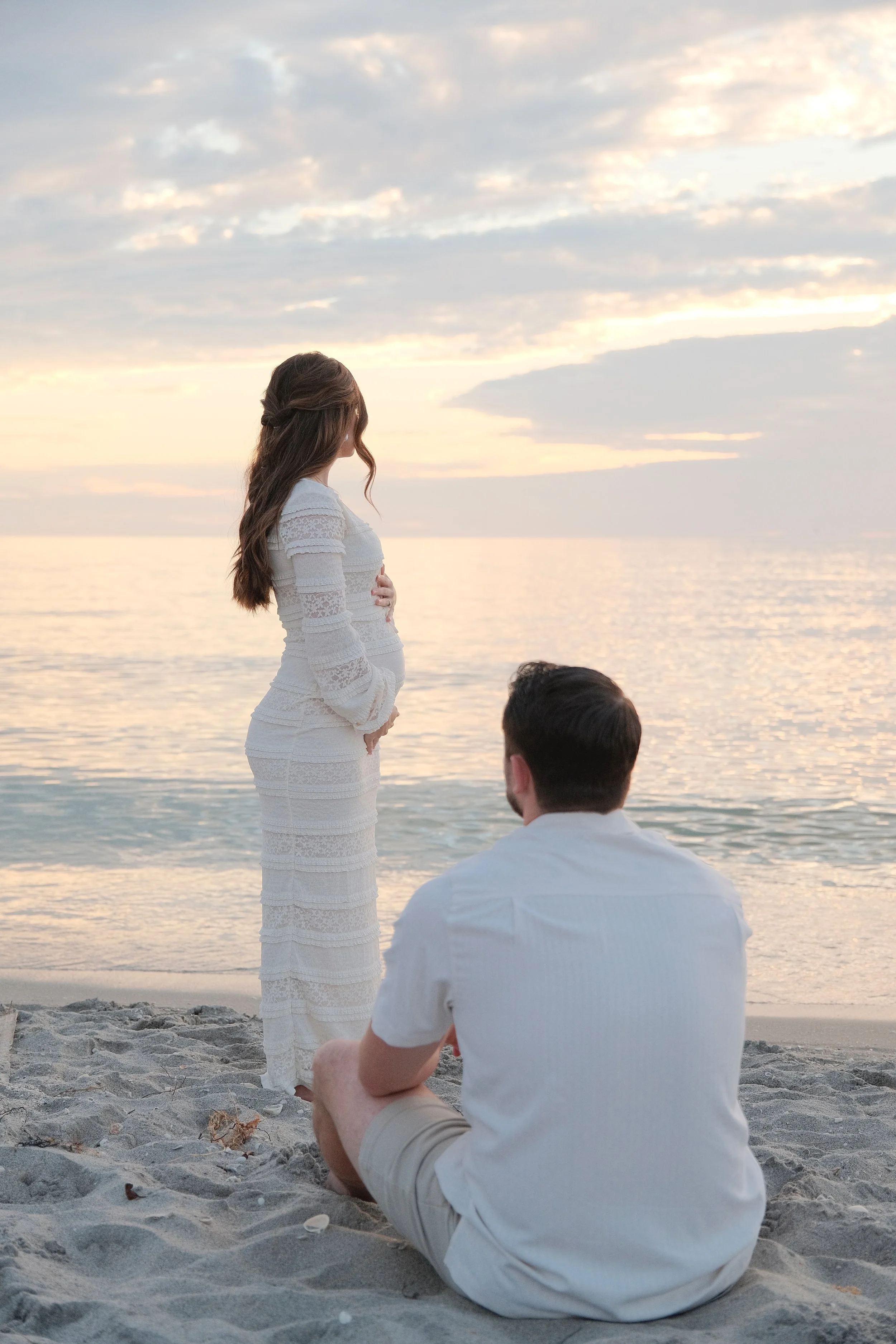
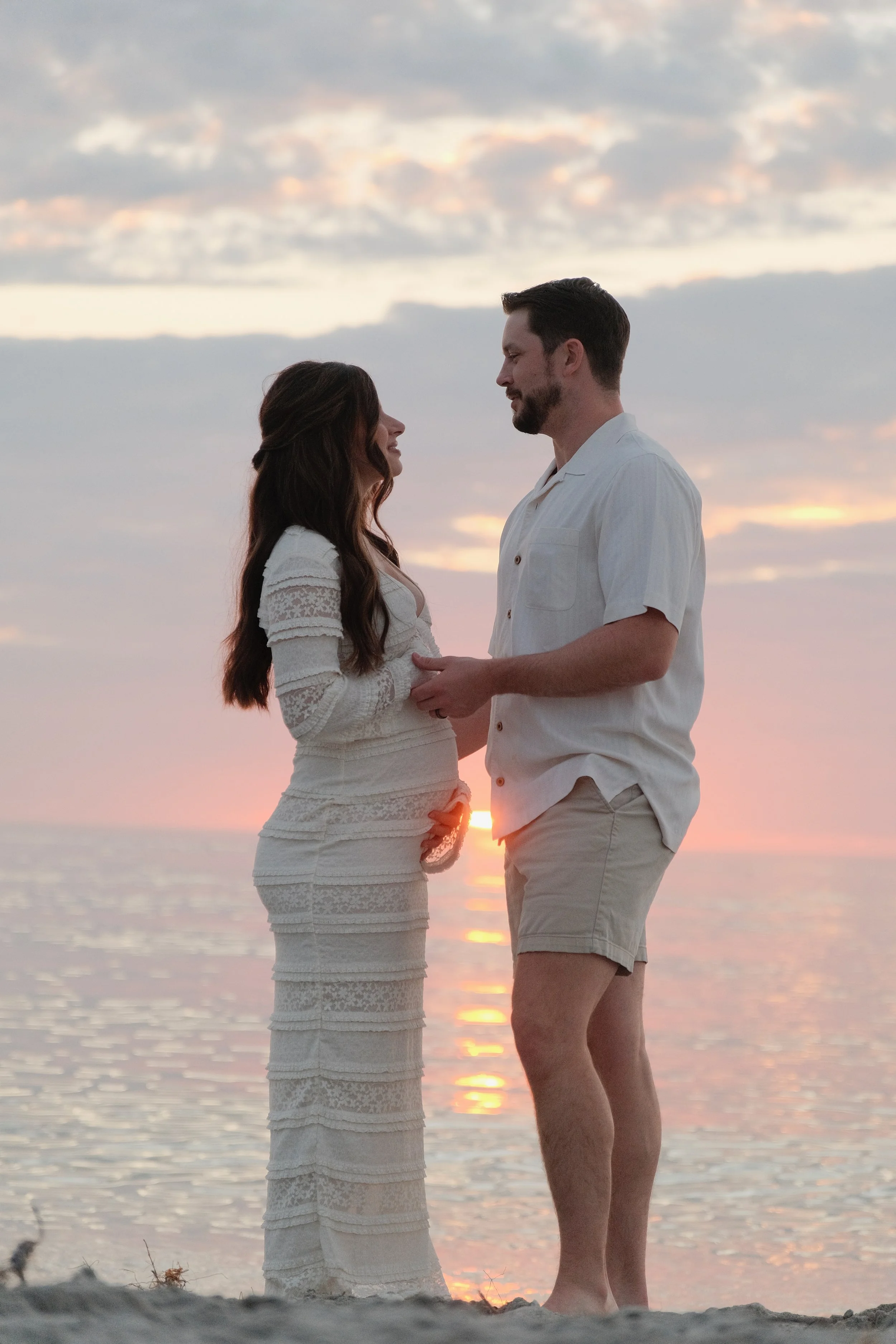
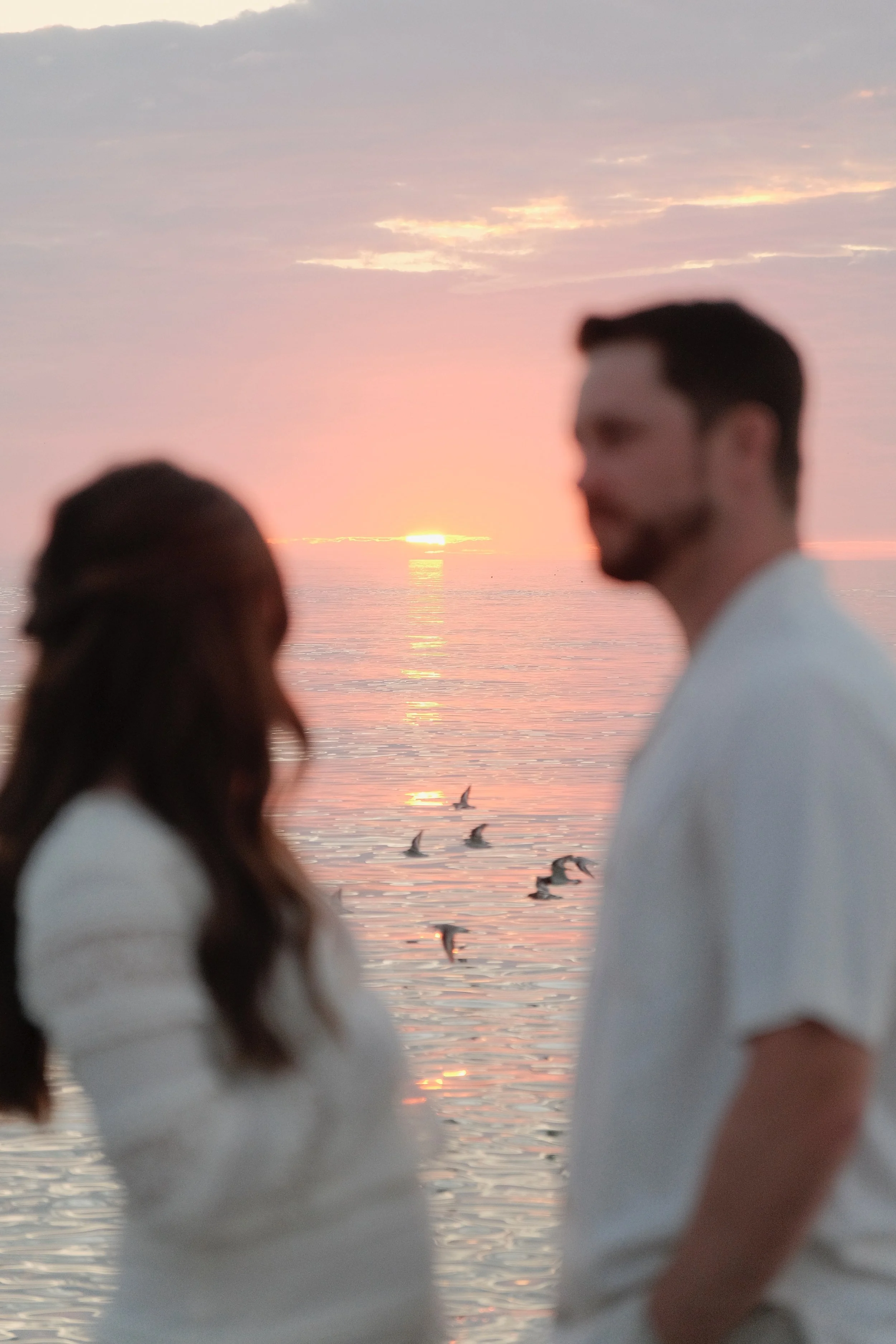
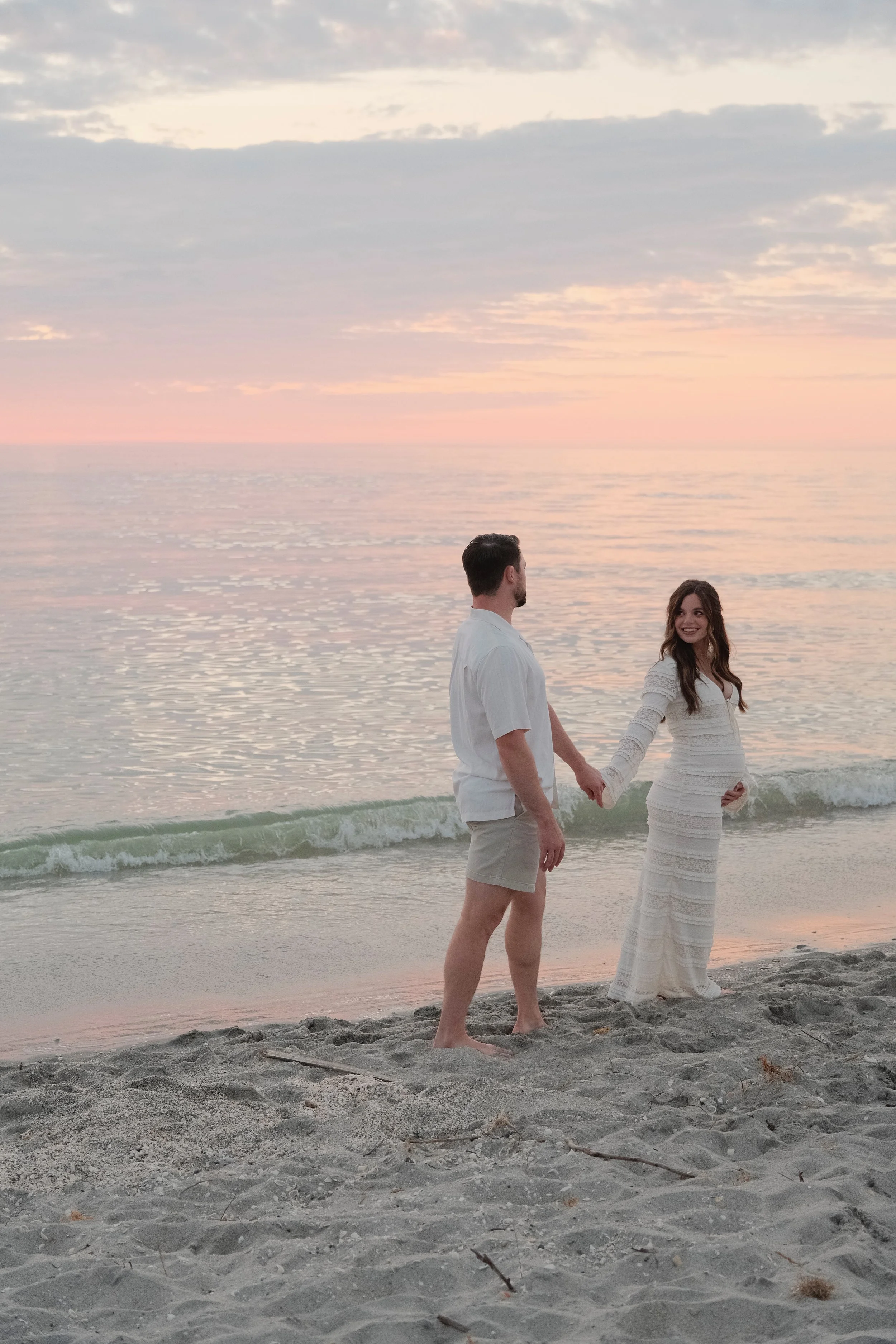
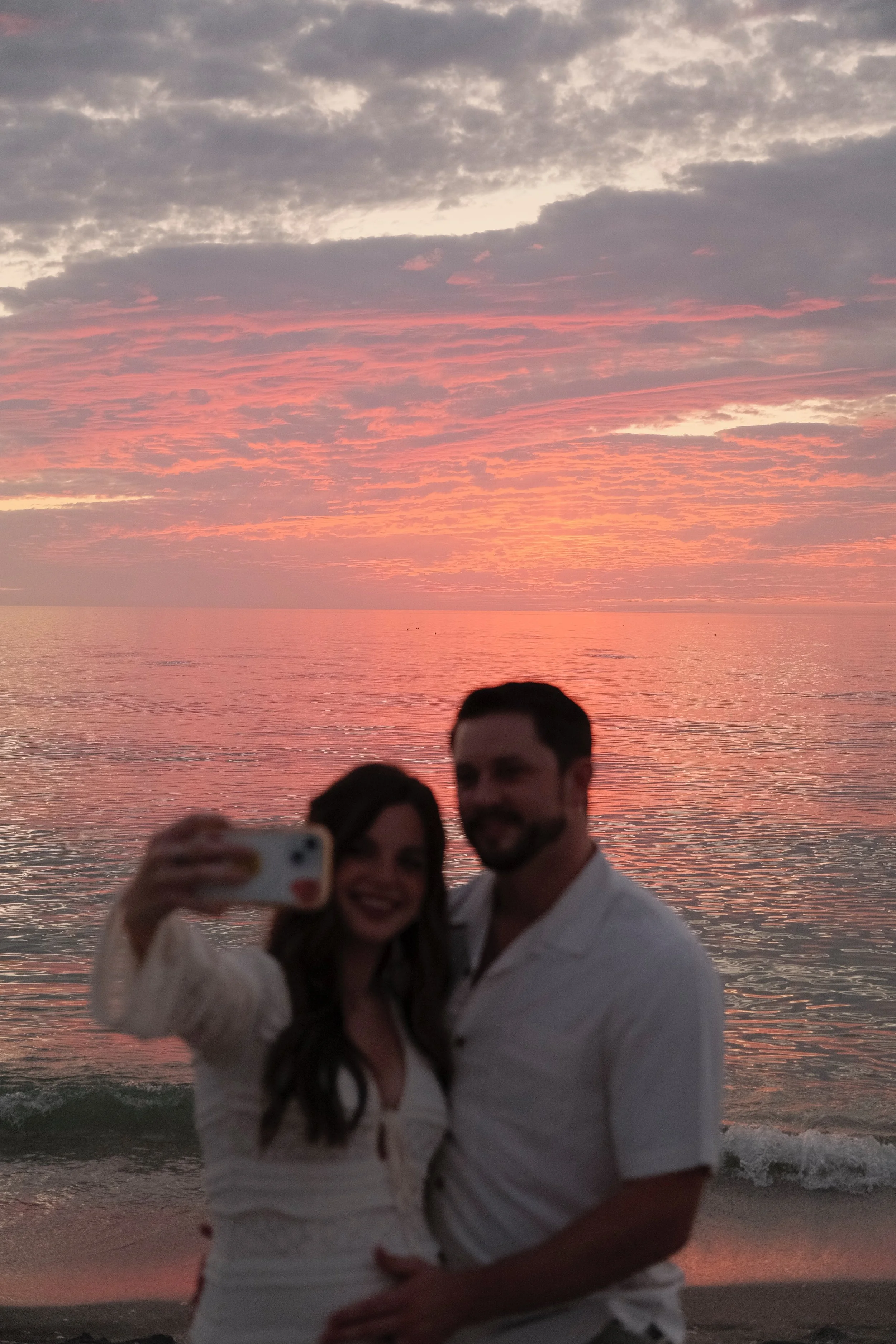
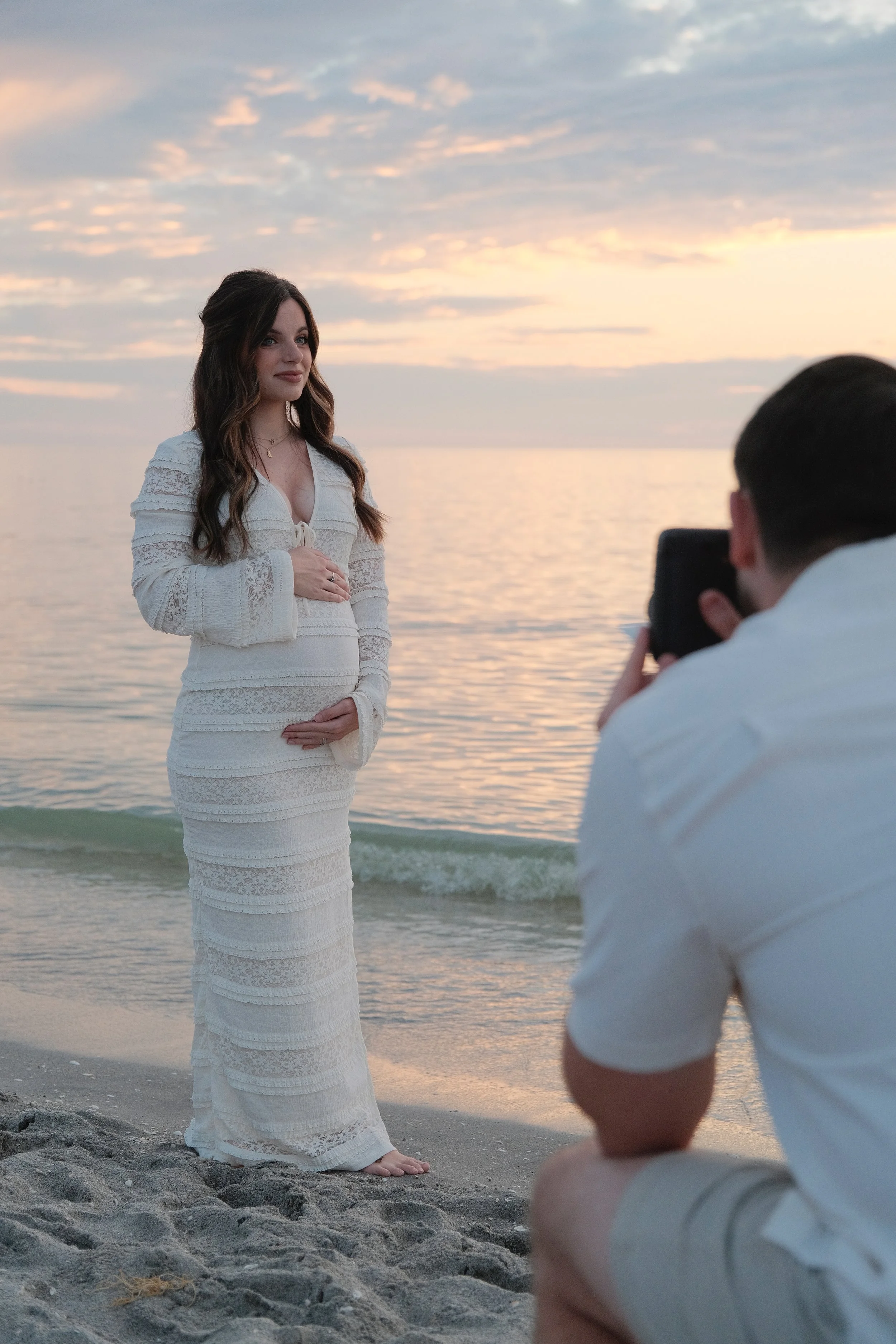
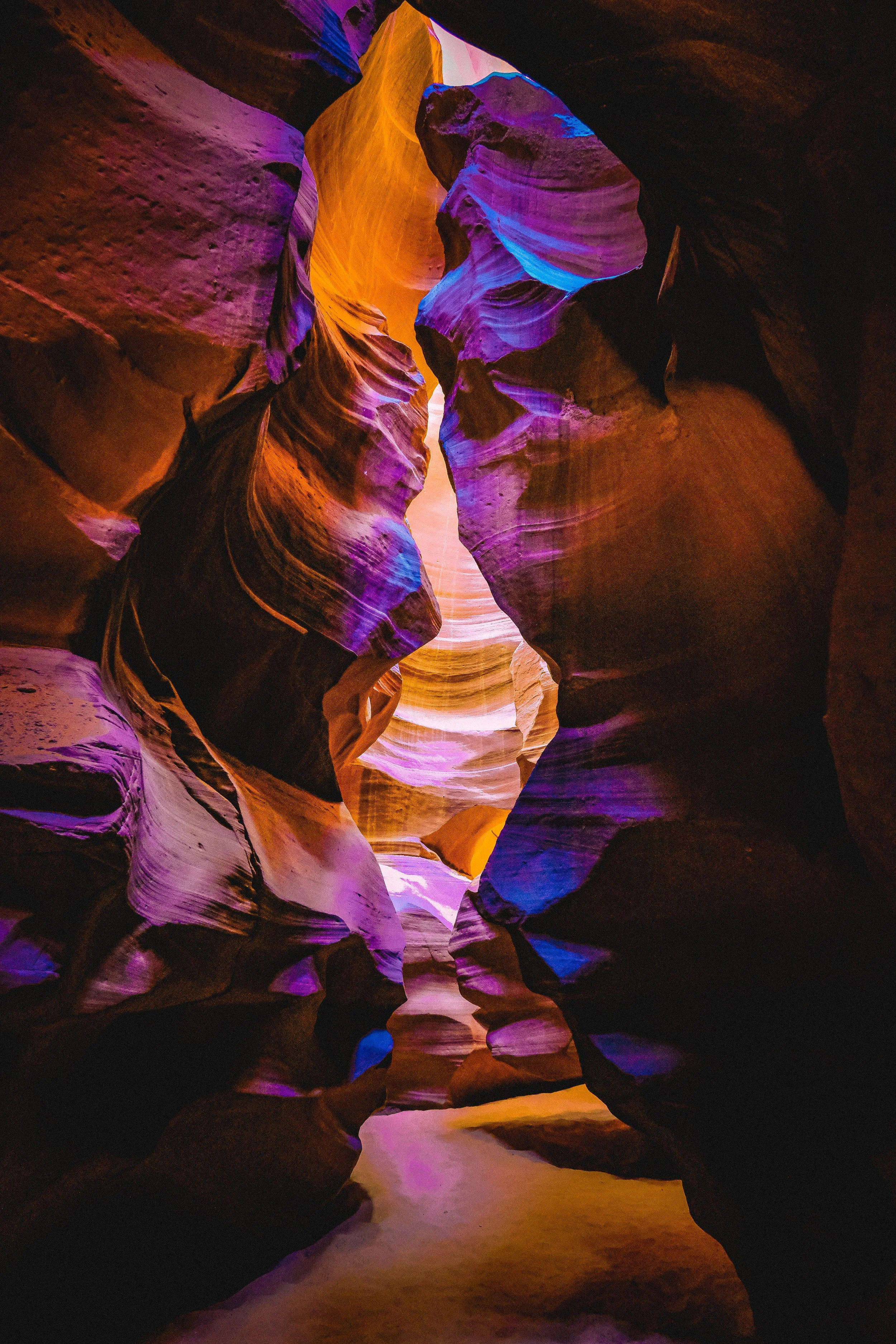
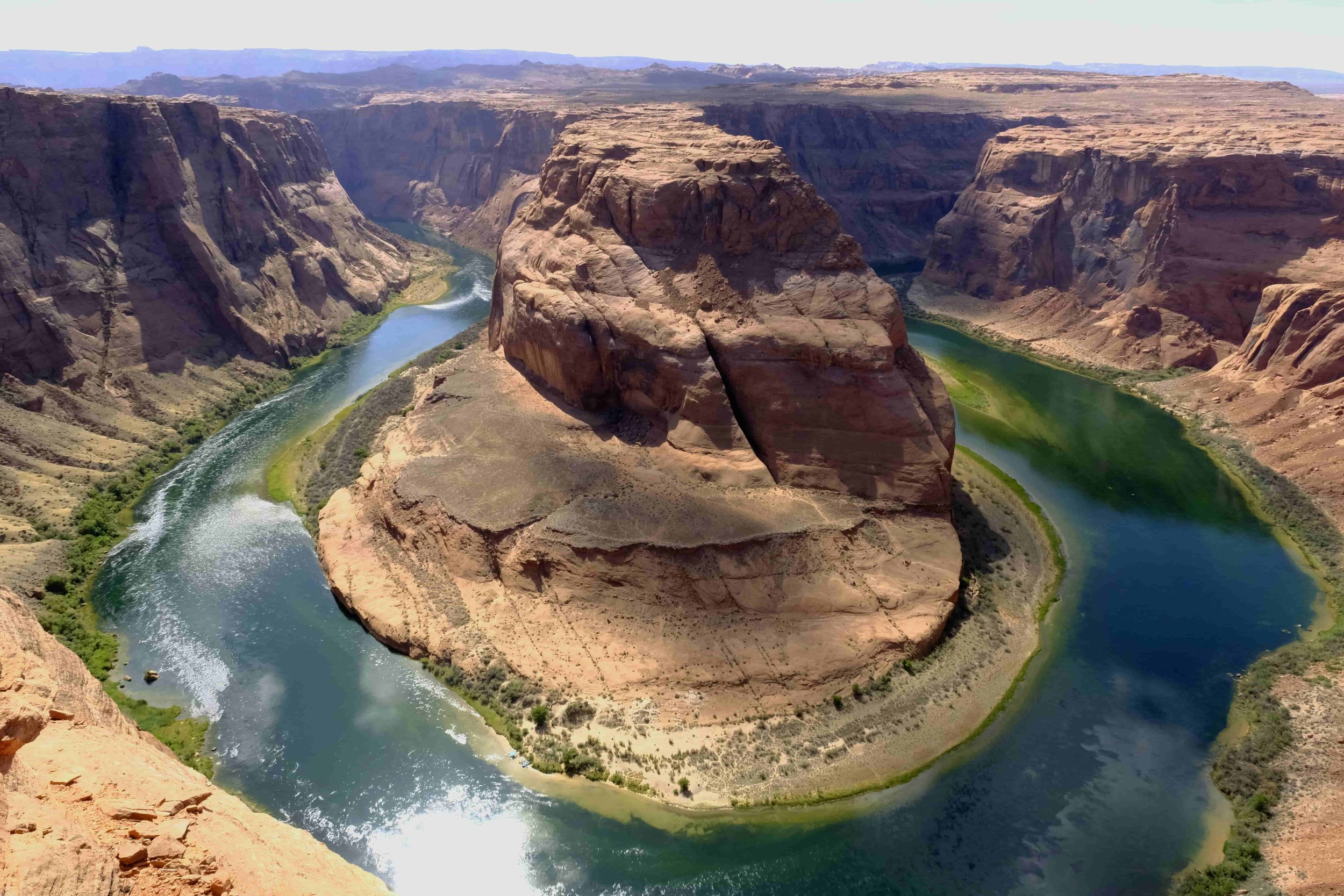
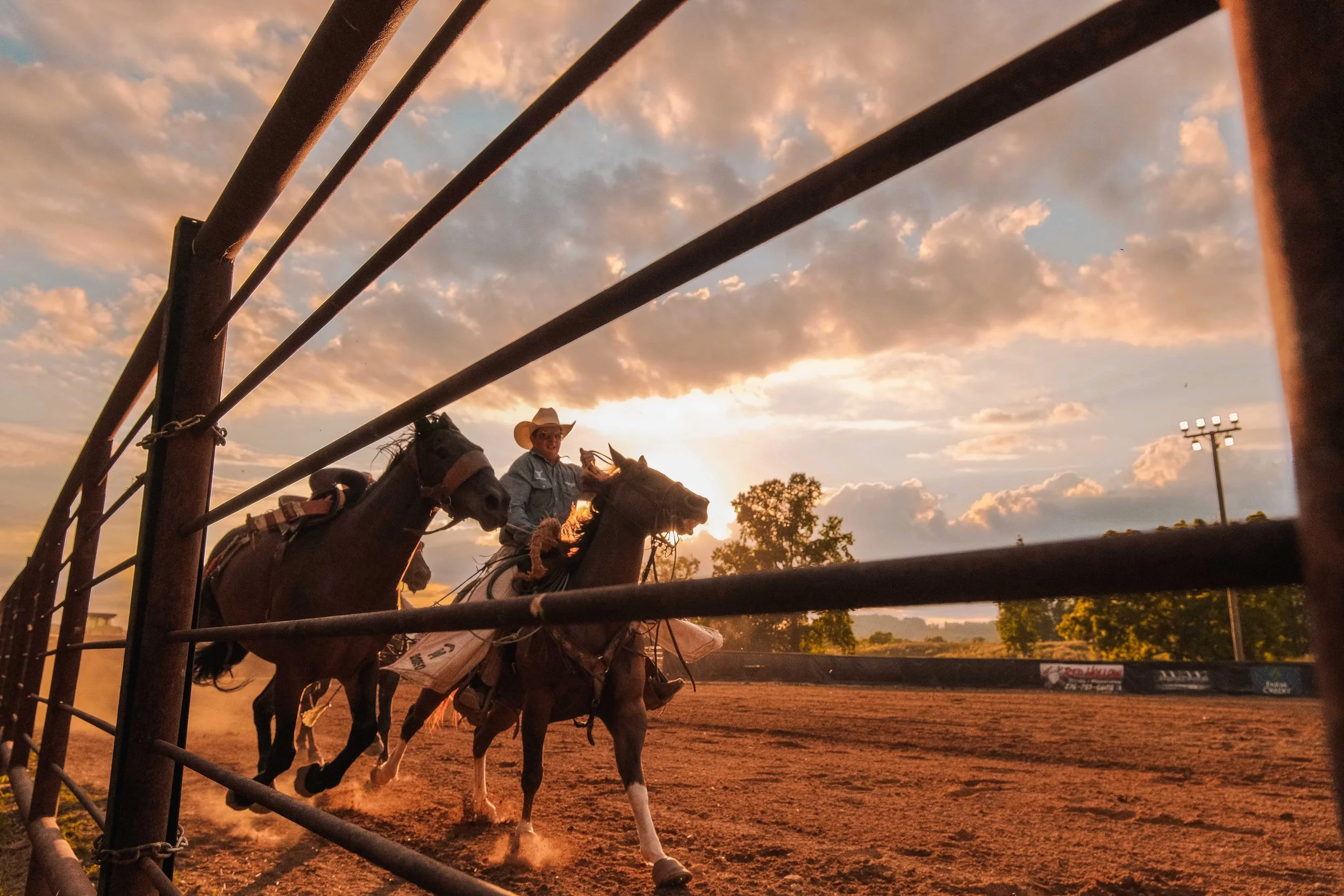
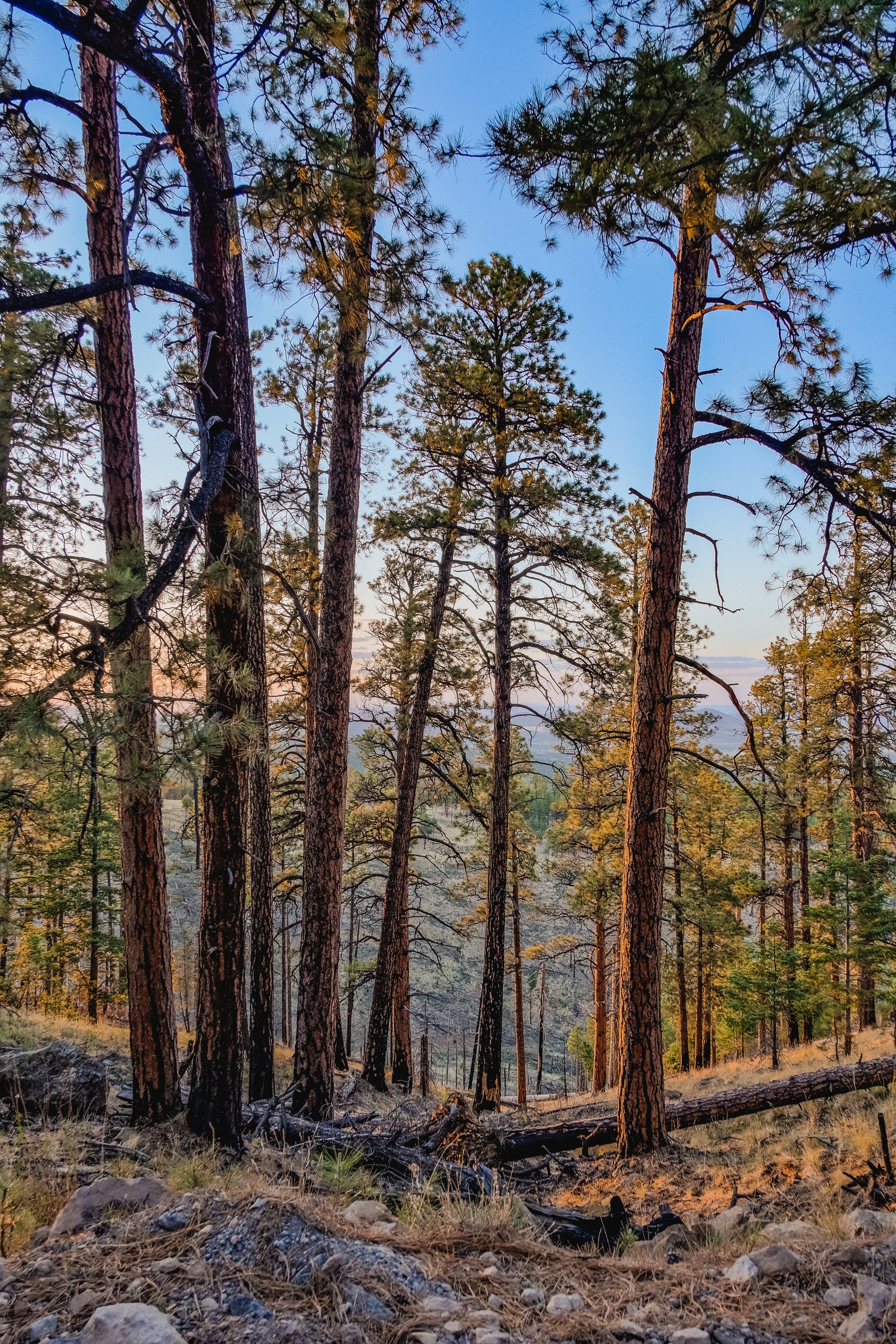
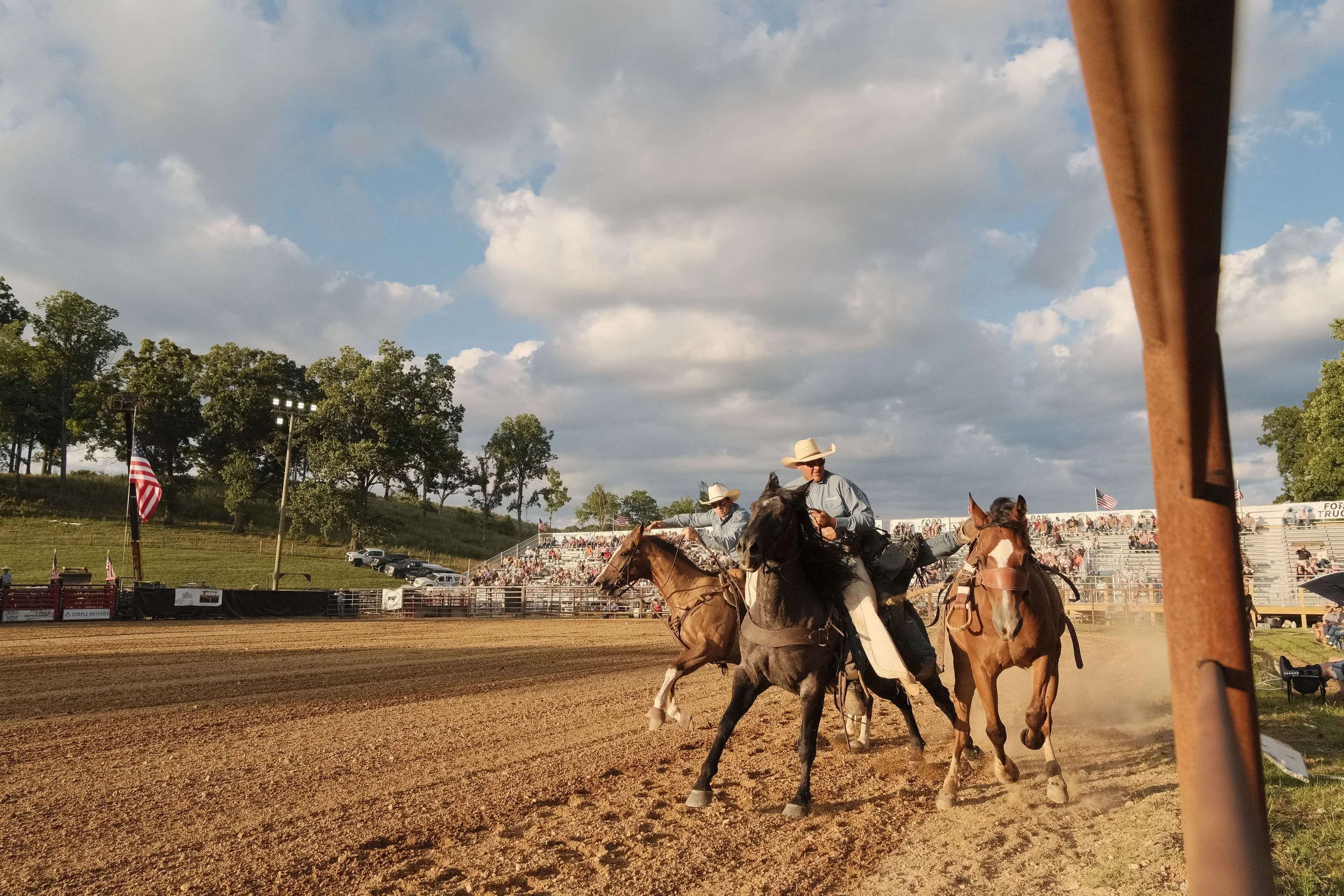
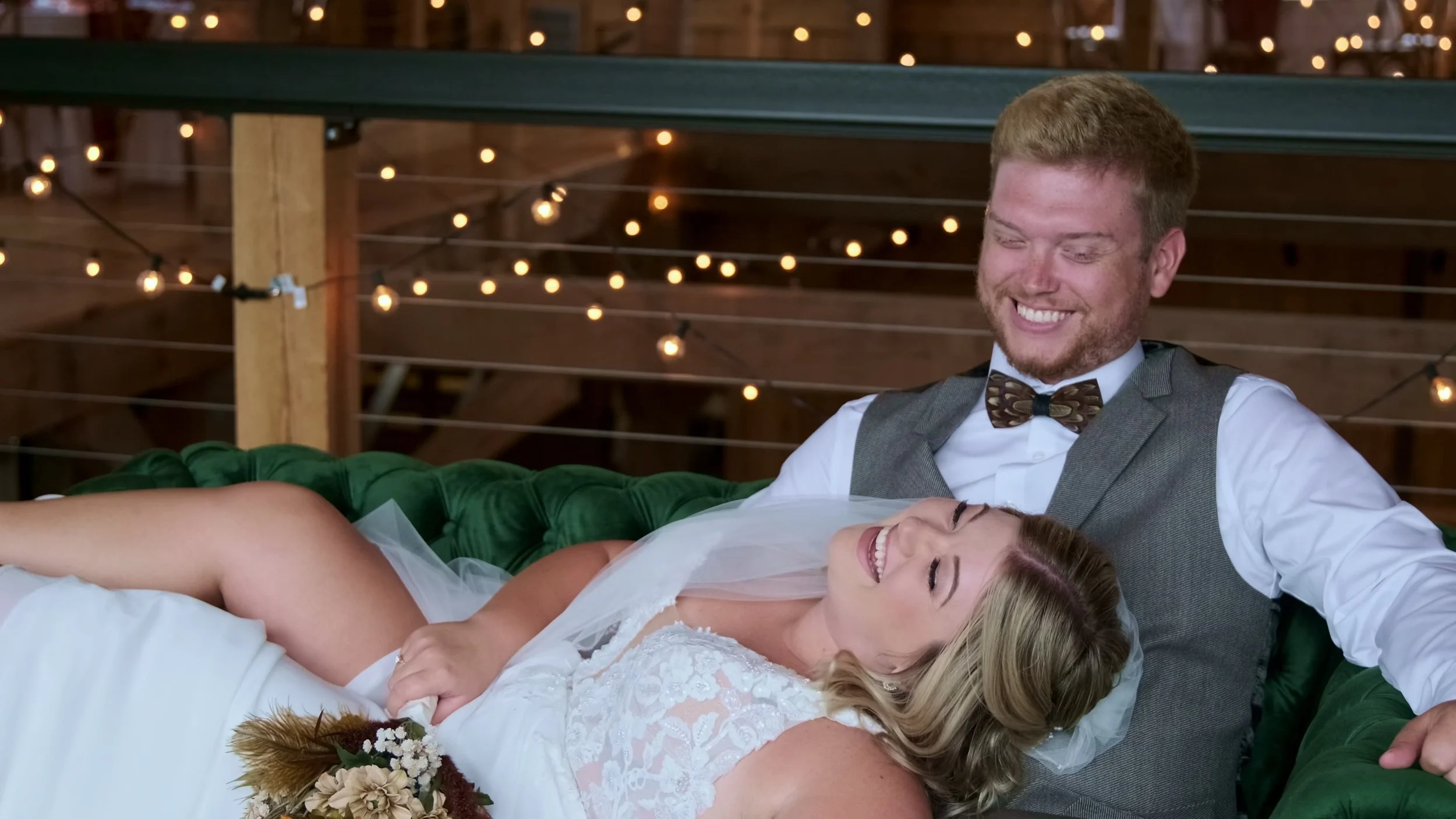

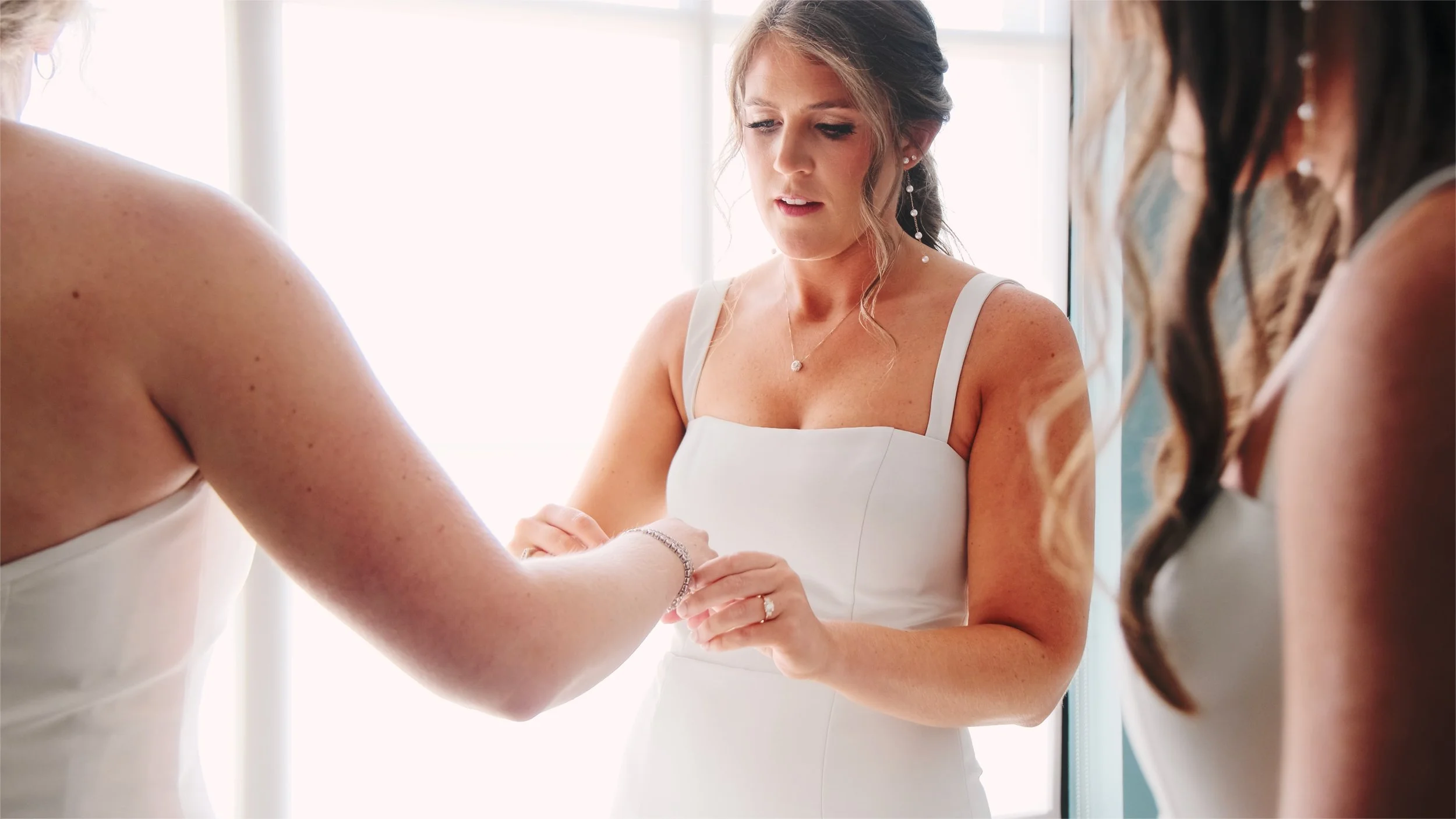
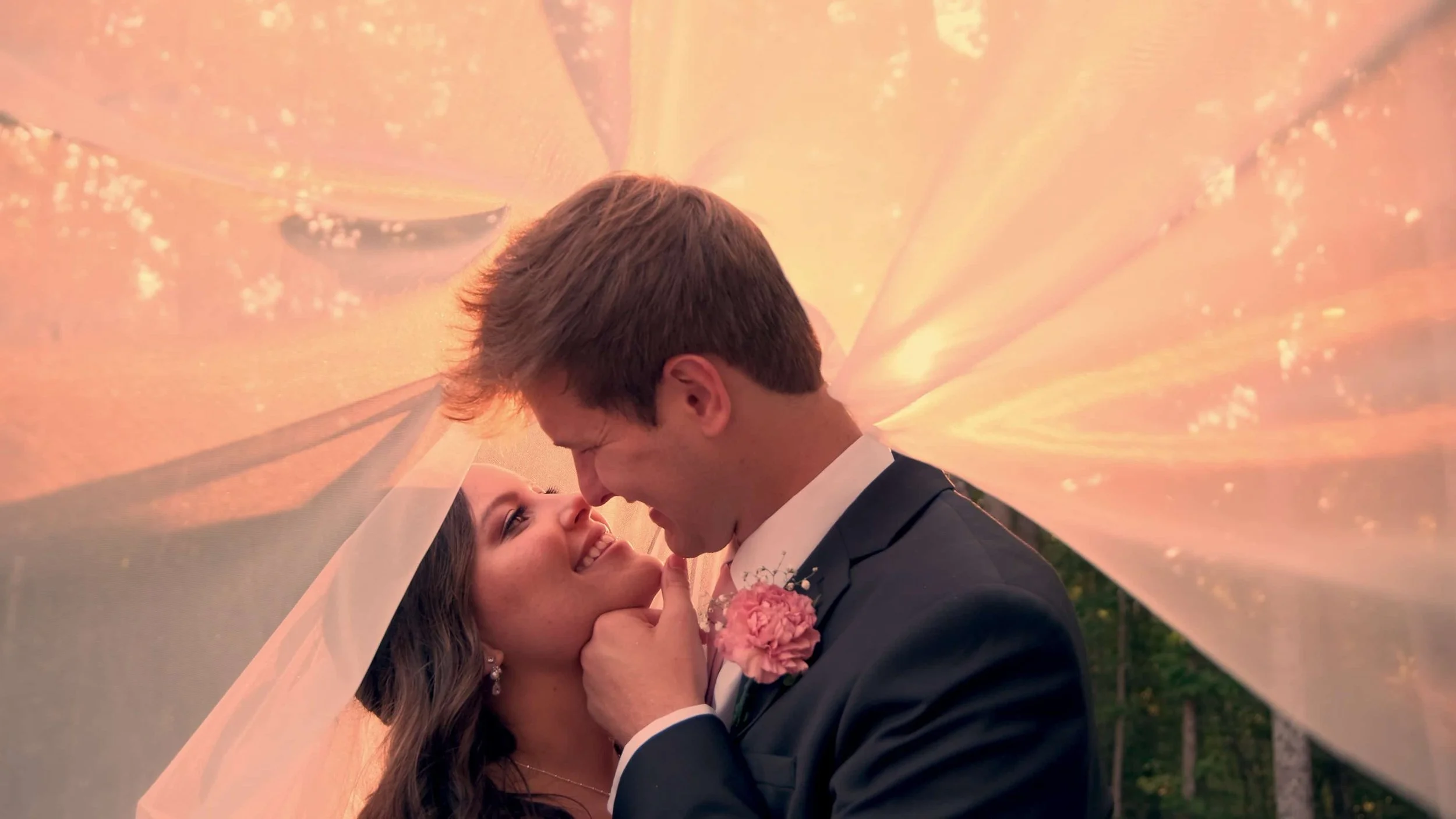
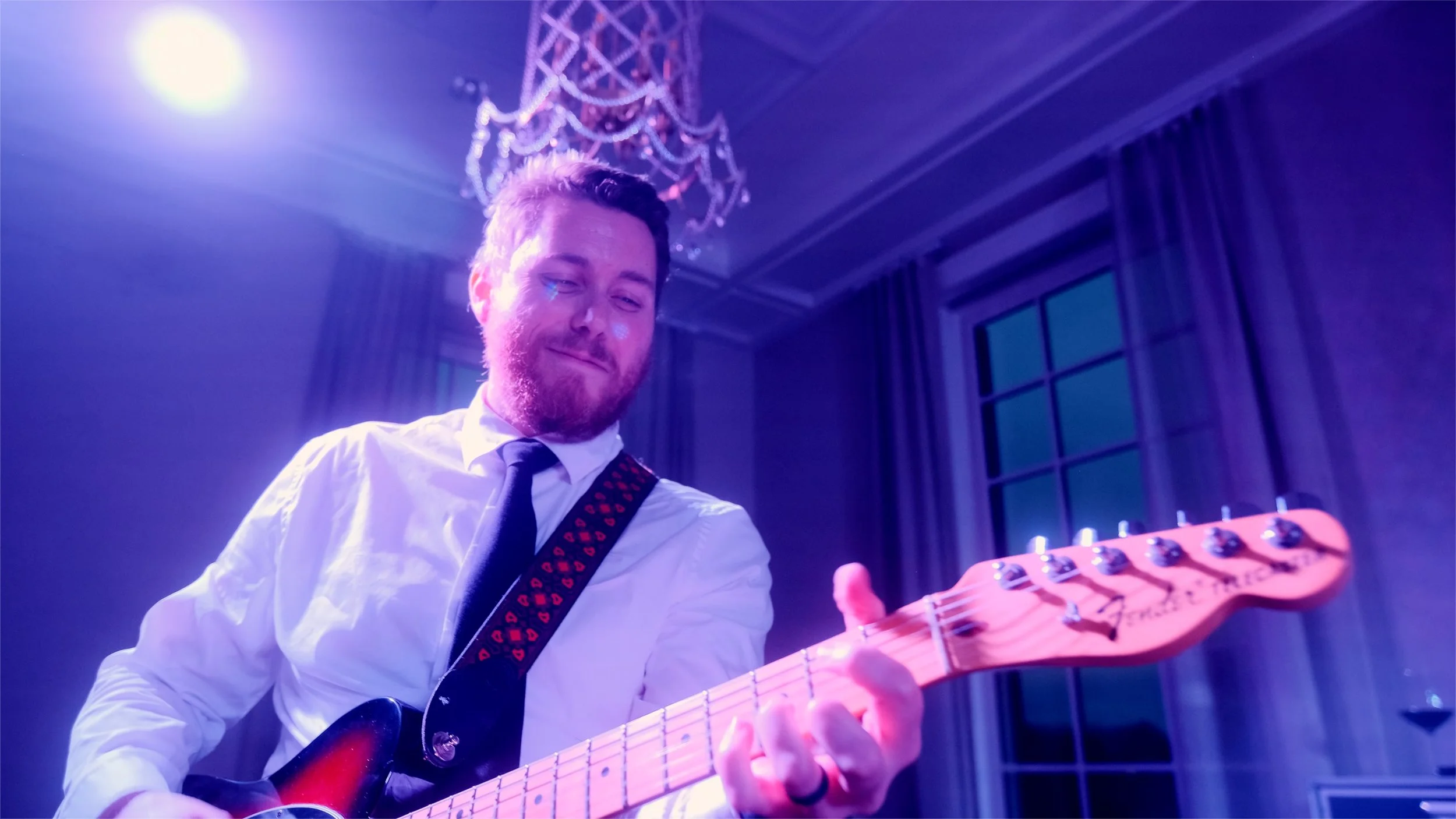
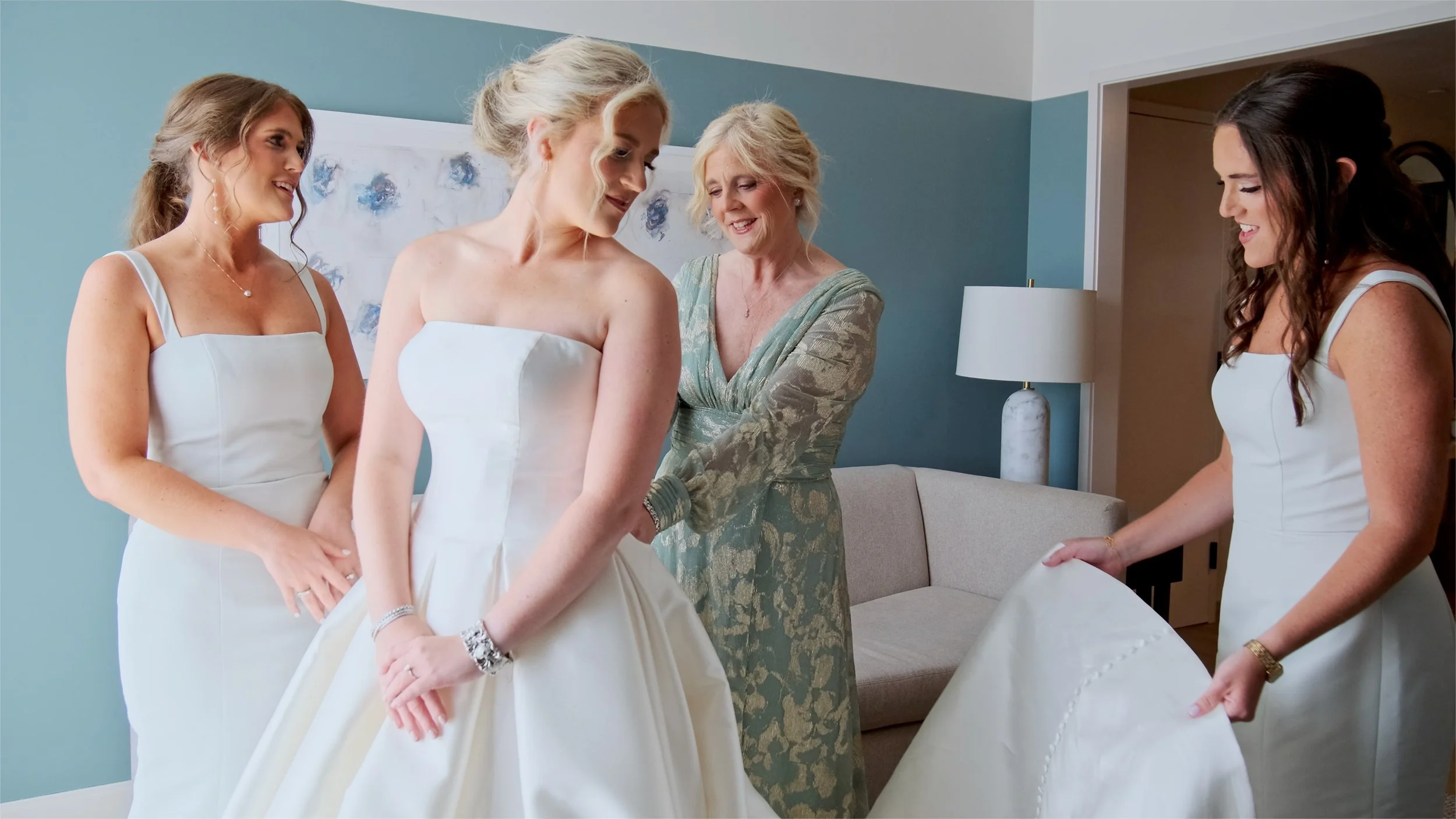
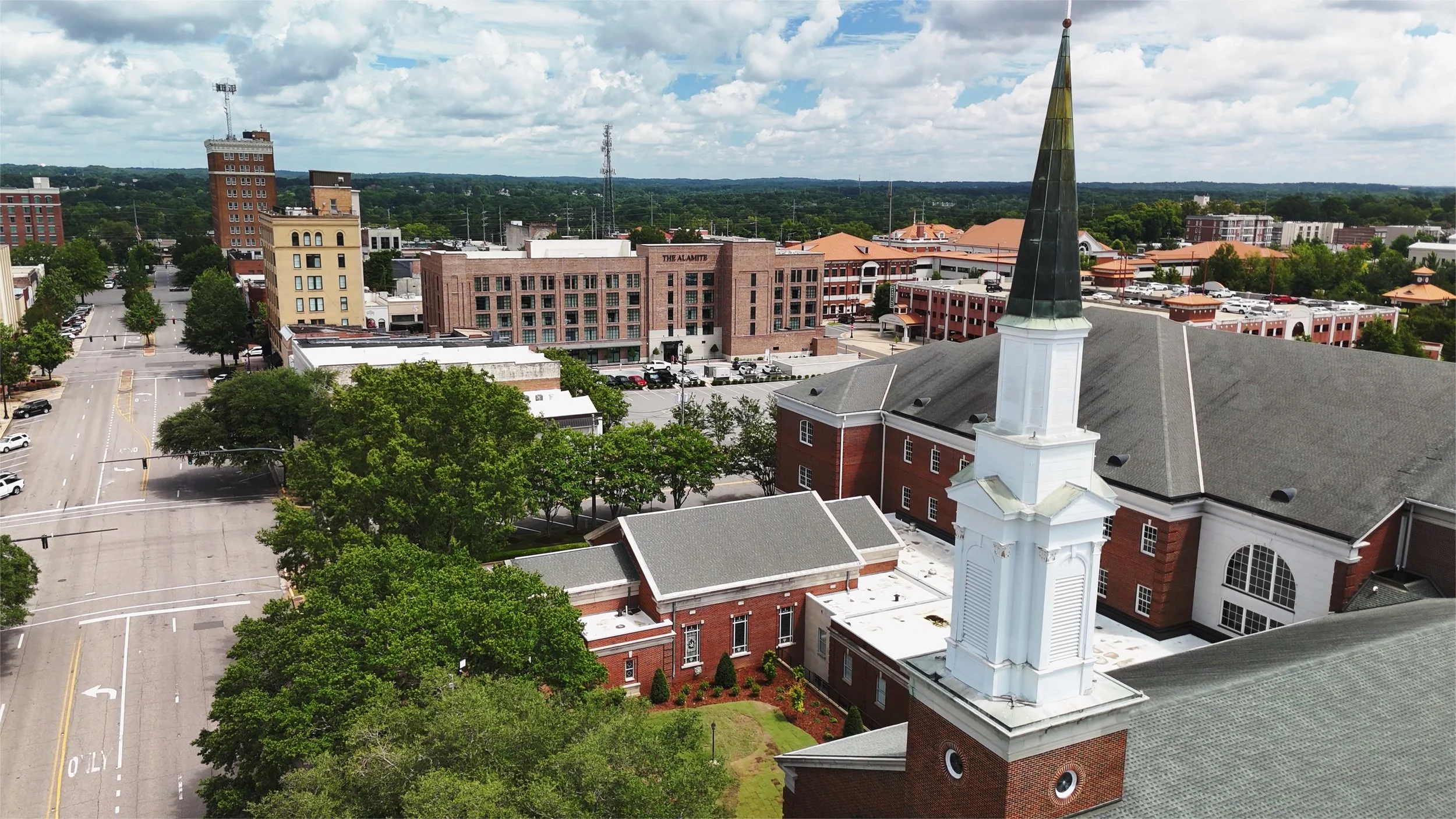
I’m still that curious kid in the backyard twisting dials, just with better gear, better taste, and more stories to tell.
About Alex:
Hi, I’m Alex — the photographer and filmmaker behind Alex Christian Creative. I specialize in cinematic wedding photography and videography for couples across Southwest Florida, creating story-driven imagery that feels natural, intentional, and timeless.
If you’re curious about the types of coverage I offer, check out my wedding photography services or wedding videography services. For couples who want authentic, everyday moments captured, my lifestyle photography services are designed to tell real stories, whether for engagements, family sessions, or creative projects.
Planning your day? You can also explore my pricing to see how I can help capture your memories without the stress of hidden costs, and if you have any questions I’d love to connect.
I’d love to help you tell your story — one frame, one moment, one wedding at a time.
